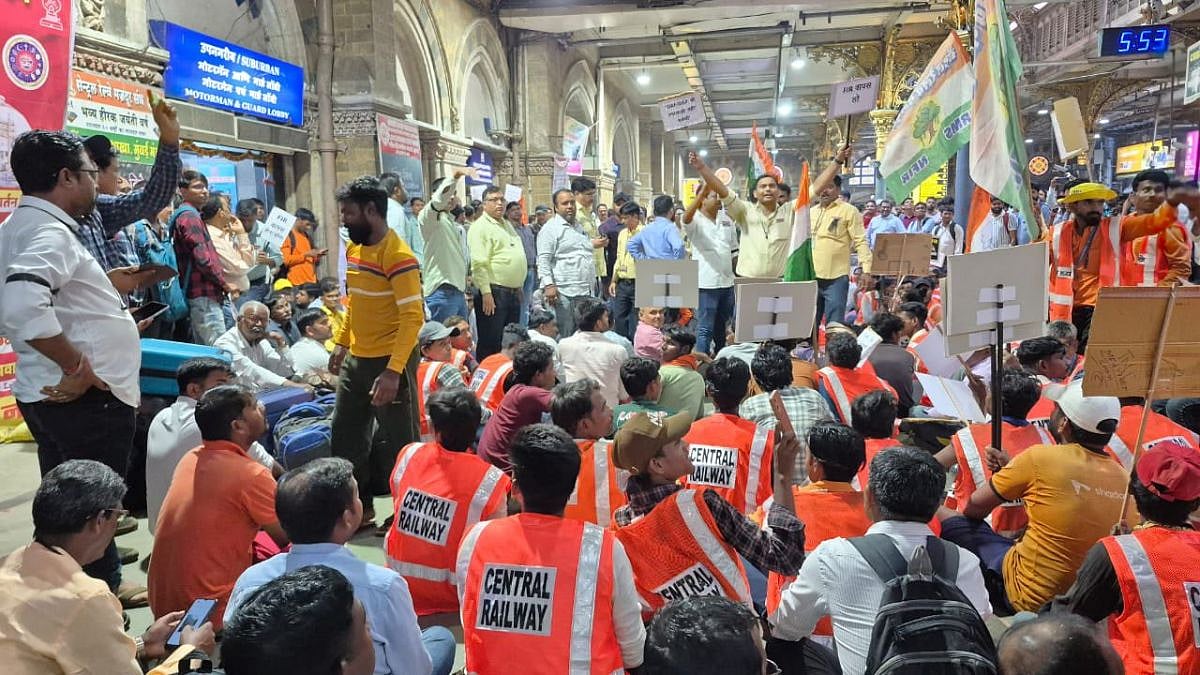
Nearly a month after the Government Railway Police (GRP) at CSMT registered an FIR against two prominent motormen union leaders Vivek Shisodia and S.K. Dubey the investigation has made little to no progress. Sources within the rail administration and unions say the lack of movement is closely linked to what they describe as the long-standing “monopoly” of Mumbai’s motormen.
A History of Unmatched Collective Strength
According to senior officials and retired railway insiders, motormen in Mumbai’s suburban network have historically wielded exceptional collective strength. Nearly a decade ago, during disputes over recruitment and multiple service-related demands, motormen from both Central Railway (CR) and Western Railway (WR) united in protest.
The agitation grew so intense that both the railway administration and the state government came under significant pressure.
The situation escalated to the point where the then Deputy Chief Minister was forced to attend a joint CR–WR meeting at the WR headquarters. After the confrontation, the Railways withdrew the ESMA-based punitive actions issued to several motormen.
Why Motormen Hold Unique Leverage
Insiders say this episode illustrated the extent of the motormen’s influence. Although CR’s loco pilots are technically capable of operating suburban locals, they cannot simultaneously take charge of long-distance trains — making it impossible to fully replace striking motormen.
Even if motormen from across India are pooled together, officials admit they remain far fewer than needed to operate Mumbai’s dense local train network. This operational vulnerability gives Mumbai’s motormen a leverage unmatched anywhere else in the railway system.
During the earlier strike threat, the Railway Board had rushed 20–25 diesel locomotives and loco pilots from various zones to Mumbai, hoping to run limited services by pulling local train rakes. But the plan proved unworkable, and eventually all motormen facing ESMA action were reinstated unconditionally.
A Politically Sensitive Case
Against this backdrop, union sources claim the current FIR has become a politically sensitive matter. Shisodia, himself a motorman, is reportedly taking a cautious legal approach, reviewing past precedents and GRP actions before making his next move.
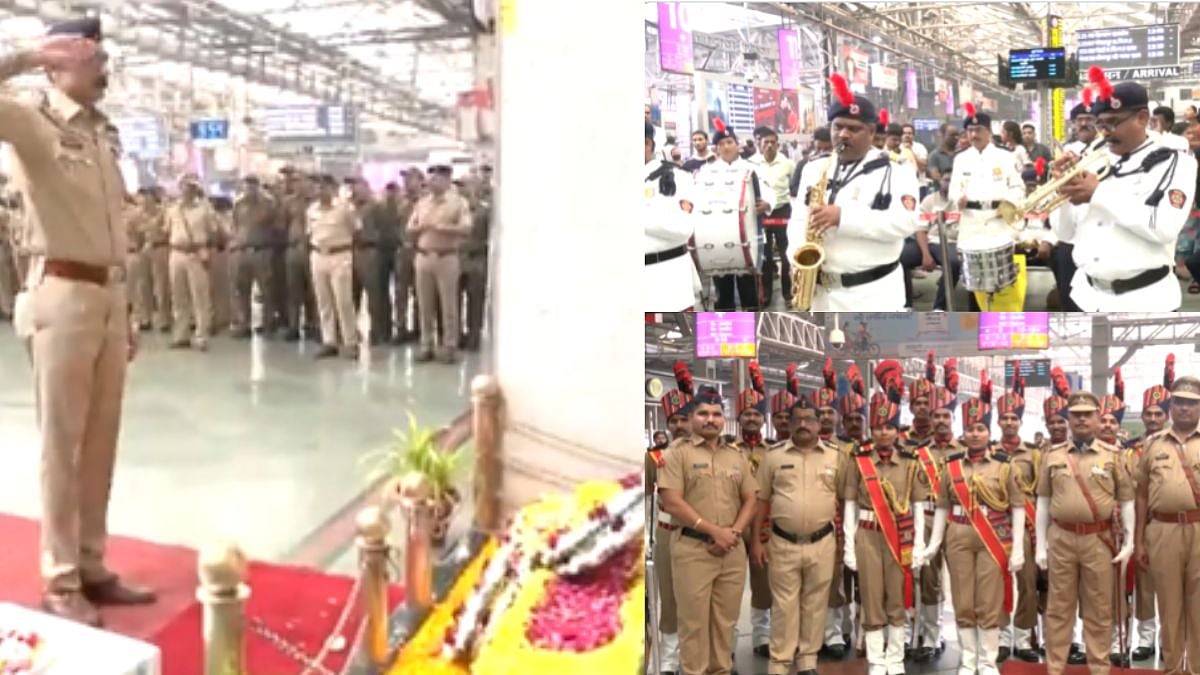
With elections approaching, the BJP-led governments at the state and Centre are seen as reluctant to allow the issue to escalate, fearing it could turn into a political flashpoint. The Opposition, meanwhile, has begun openly criticising the government, attempting to link the controversy directly to the ruling party.
Four Weeks Later, Case Still Stalled
As a result, four weeks after the FIR, the case remains stalled highlighting once again the complex mix of labour power, operational dependencies and political pressures that surround any dispute involving Mumbai’s suburban motormen.
Budget Advertisement: To get details on exclusive and budget-friendly property deals in Mumbai & surrounding regions, do visit: https://budgetproperties.in/

