Mumbai, April 2: Dining out is set to become more expensive as the hospitality sector plans to increase menu prices amid rising input costs triggered by global geopolitical tensions and a sharp surge in fuel prices.
Rising costs squeeze hospitality margins
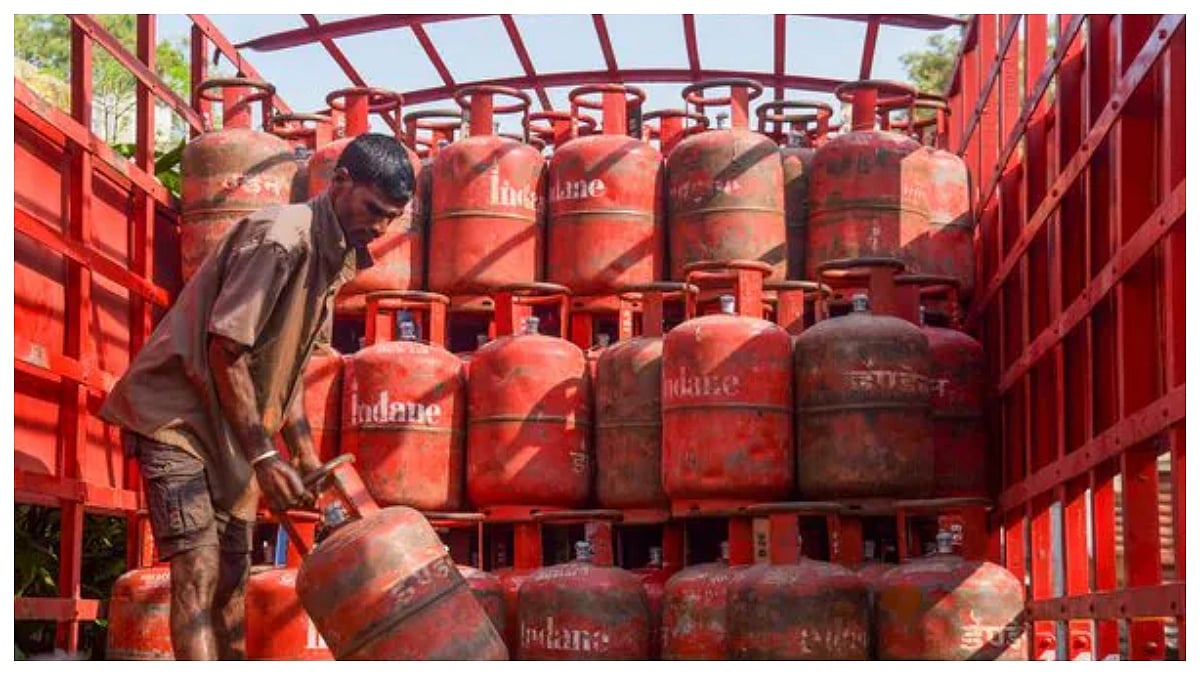
Industry stakeholders said that escalating costs of commercial LPG, coupled with operational challenges, have significantly strained margins, leaving restaurants and hotels with little option but to pass on part of the burden to customers.
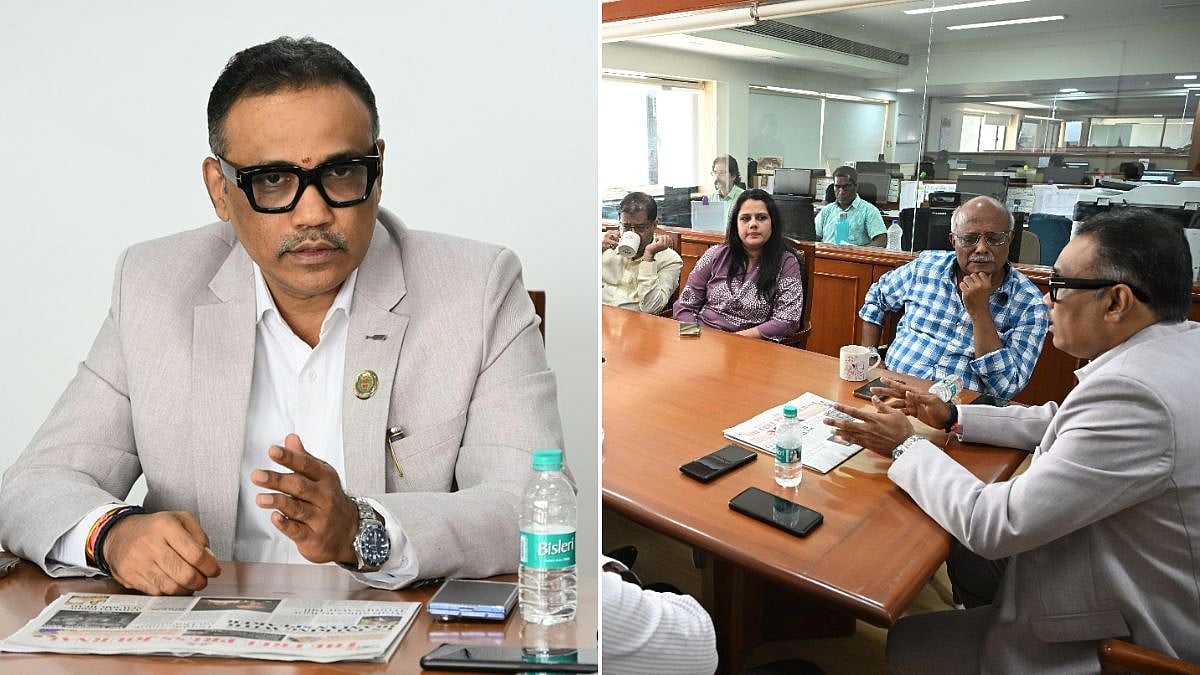
“Since the conflict began last month, the hospitality sector has seen a sharp rise in operating costs driven by on-and-off closures, limited operating hours, menu rejigging, and shift to alternative cooking methods. Alongside, business volumes have dropped, severely straining overall viability. Cumulatively, these factors have pushed operating costs up by roughly 20 per cent. The latest hike in commercial LPG cylinder prices has added yet another layer of pressure on already squeezed margins. Given this scenario, hospitality establishments may now be left with little choice but to consider an upward revision in menu prices to partially absorb the escalating cost burden,” says Mr Pradeep Shetty, Spokesperson, Hotel and Restaurant Association (Western India) – HRAWI.
Industry flags impact of fuel and gas price surge
Echoing similar concerns, Paramjit Singh Ghai, Joint Secretary of the Federation of Hotel & Restaurant Associations of India (FHRIA) and Treasurer of HRAWI, said the sharp increase in commercial gas prices is worsening the situation.
“Commercial gas prices have increased significantly. Besides, oil crisis impact all sector and this has made the business environment quite gloomy,” he said.
He added that the hospitality industry is among the first to feel the impact of such global disruptions. “Hotels and restaurants are highly sensitive to cost fluctuations, and the cascading impact of rising fuel and input costs is already being felt across operations. If the war situation continues, it could have a broader impact on the economy,” Ghai said.
“In order to absorb some of these rising costs, the industry may be compelled to increase menu prices by around 20 per cent,” he added.
Industry seeks relief from Maharashtra government
Amid the ongoing crisis, the Hotel and Restaurant Association (Western India) (HRAWI) has urged the Maharashtra government to provide relief to the sector.
The association has written to Deputy Chief Minister and State Excise Minister Sunetra Ajit Pawar, seeking a one-month extension for payment of the annual licence fee—from March 31 to April 30—citing disruptions caused by the LPG shortage.
Alternatively, HRAWI has proposed a staggered payment mechanism, allowing the annual licence fee to be paid in four quarterly instalments ending December 31, to ease the financial burden on hospitality businesses.
Also Watch:
Business losses mount amid LPG shortage
The LPG shortage has already resulted in significant business losses, estimated at 25–30 per cent across the country. Industry players said the crisis has led to reduced service hours, limited menus, cancellation or postponement of events, lower guest capacity, and declining hotel occupancy.
At the same time, operating costs have increased as establishments attempt to manage constrained supplies and shift to alternative arrangements.
To get details on exclusive and budget-friendly property deals in Mumbai & surrounding regions, do visit: https://budgetproperties.in/

