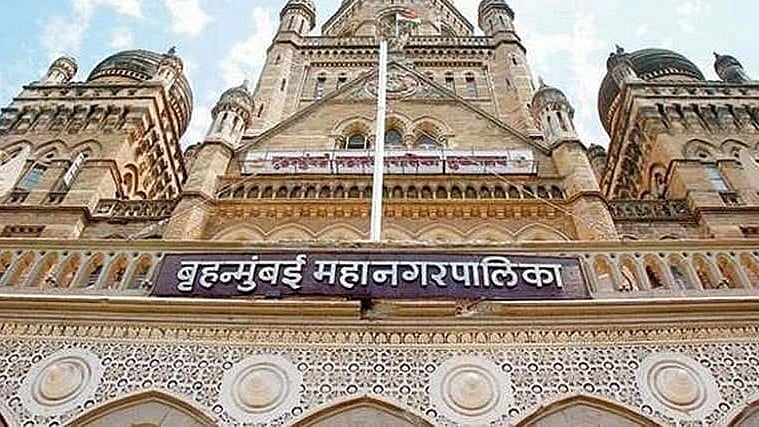
Mumbai, March 27: The BMC may have to adjust or refund Rs 2,200–2,300 crore in property tax following a new amendment allowing retrospective levy from 2010 under the Capital Value System (CVS).
The revision targets properties previously taxed based on plot “potential” and also empowers the civic body to recover the remaining 50% of tax that had earlier been billed but permitted to be paid at half pending court orders.
While the BMC estimates around 17,000 properties will be affected, activists warn that enforcing retrospective recovery with penalties could be deeply unfair, placing an undue financial burden on citizens.
Shift from rateable value to capital value system
Previously, the BMC calculated property tax based on rateable value, derived from a property’s estimated rental income. In 2010, the civic body introduced the CVS, which incorporated a plot’s potential Floor Space Index (FSI)—its maximum buildable area—into tax calculations.
The new system faced widespread legal challenges, with many property owners disputing their assessments, leading to a growing number of defaulters and increasing the civic body’s financial burden.
In 2019, the Bombay High Court (HC) ruled that a property’s ‘capital value’ should reflect its existing physical condition, not its development potential. The BMC’s appeal to the Supreme Court (SC) was rejected in 2022, with the apex court upholding the HC's decision.
Provisional tax system and recent amendment
As the legal battle over the new property tax rates dragged on for several years, the BMC adopted a provisional method in 2012. Under this, taxpayers pay 100% of the old rateable value tax and 50% of the tax calculated under the proposed CVS.
During this period, the bills sent to the taxpayers carried a note indicating that these charges could be adjusted retrospectively based on court outcomes.
On March 25, the state government’s Urban Development Department (UDD) approved an amendment bill giving the BMC the power to levy and collect property tax retrospectively.
Criticism over retrospective levy
However, former corporator Asif Zakaria has criticised the proposed amendment to reintroduce property tax retrospectively from April 1, 2010, calling it “legally untenable” as it contradicts rulings by the HC and the SC.
The amendment, which empowers the BMC Municipal Commissioner to set rules and formulas retrospectively, risks unfairly burdening taxpayers who complied in good faith and paid their dues. Zakaria warned it could undermine judicial authority, erode public trust and create further financial complications for both citizens and the civic body.
Activist Zoru Bhathena said, "When the BMC converted rateable value to capital value in 2010, it led to a massive hike in property taxes. After widespread objections and matter was sub judice, the SC ordered refunds."
He criticised the new state law that prevents challenges, calling it “blatant extortion,” and questioned the BMC’s spending of taxpayers’ money on projects like the Coastal Road instead of essential services such as footpaths and local roads.
Civic body defends amendment
A senior civic official clarified that the amendment ensures no additional burden on residential or commercial property owners and removes FSI from tax calculations, which is expected to speed up stalled and ongoing development projects.
Also Watch:
It also avoids re-assessing around 10.50 lakh properties since 2010, reducing legal complications. Following the HC's 2014 interim order, assessees had been paying only 50% of their tax. The amendment now allows the BMC to collect the remaining 50%, potentially boosting revenue from 17,000 properties to Rs 8,500 crore.
To get details on exclusive and budget-friendly property deals in Mumbai & surrounding regions, do visit: https://budgetproperties.in/

