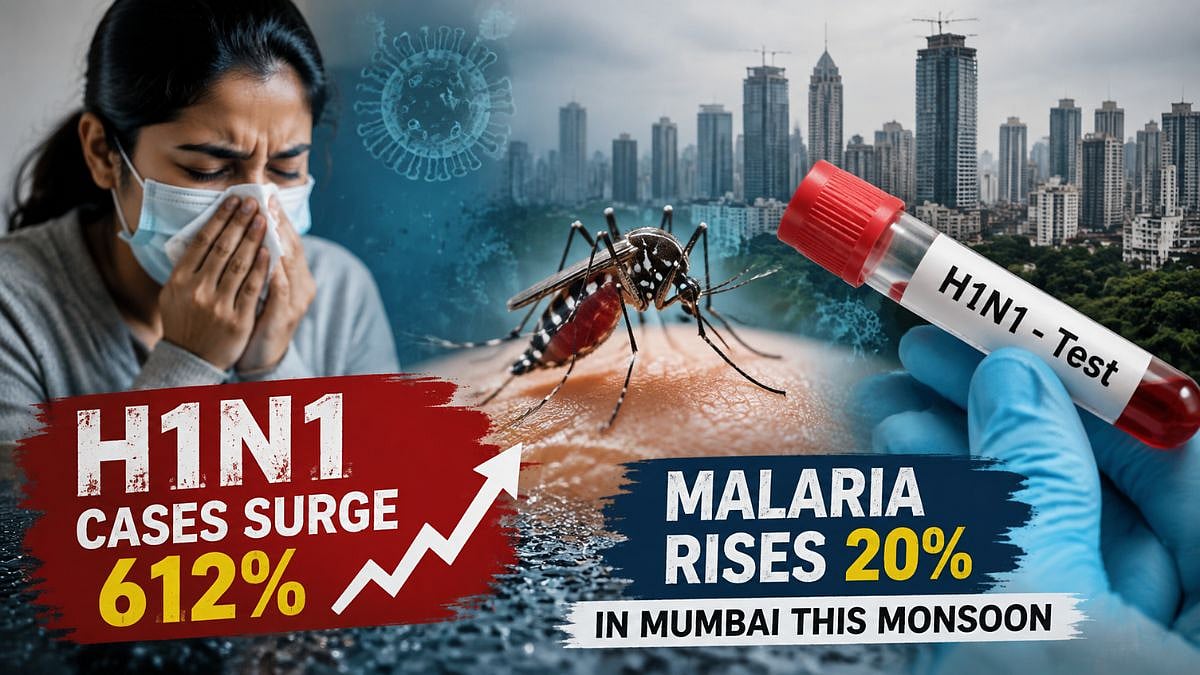
Mumbai, September 2: H1N1 (swine flu) and malaria cases have emerged as major health concerns in Mumbai this monsoon, even as several other seasonal illnesses have declined.
According to BMC Public Health Department data up to August 31, the city recorded 4,485 malaria cases between June and August, compared to 3,733 during the corresponding period last year — a 20.1 per cent rise.
The sharpest increase was recorded in H1N1 cases, which jumped from 62 last year to 441 this year, marking a 612 per cent rise. During June, July and August 2025, Mumbai had reported 62 H1N1 cases, while the number increased to 441 during the same period this year.
The BMC said suspected H1N1 patients are being screened and treated with oseltamivir wherever required. Close contacts of infected patients are being monitored for 10 days, while door-to-door surveys are being conducted in affected areas.
The civic body has also claimed that BMC hospitals have adequate reserved beds, ventilators, PPE kits and medicines to manage patients requiring hospitalisation.
Other Monsoon Illnesses Decline
Despite the rise in malaria and H1N1, several other monsoon-related illnesses have declined. Dengue cases fell from 1,972 to 1,563, a decrease of around 20.7 per cent, while chikungunya cases dropped from 370 to 46, registering an 87.6 per cent decline.
Leptospirosis cases declined from 406 to 255, a 37.2 per cent reduction. Gastroenteritis cases fell from 2,197 to 1,954, an 11.1 per cent decline, while COVID-19 cases dropped from 668 to 151, a 77.4 per cent decrease.
BMC Steps Up Vector Control
As part of its vector-control drive, the BMC inspected 12,55,469 potential mosquito breeding sites for dengue, including water drums, tyres, scrap material, planters and other places where water can accumulate. Aedes mosquito breeding was detected at 27,352 locations.
The civic body also removed 1,807 tyres and 59,841 scrap items from rooftops and premises. For malaria control, 52,197 potential breeding sites were inspected, with Anopheles mosquito breeding detected at 8,055 locations.
Malaria Cases Rise In Key Wards
The BMC has reported an increase in malaria cases in E Ward, covering Byculla, Madanpura and Mazgaon; K-West Ward, covering Andheri West, Nehru Nagar and Amboli; G-South Ward, including Worli and BDD Chawl; F-South Ward, covering Parel, Bhoiwada and Sewri; and H-West Ward, including Hill Road, Turner Road, Pali Hill and Perry Cross Road.
Leptospirosis cases are being reported more frequently in F-North Ward, particularly Wadala; M-East Ward covering Govandi; T Ward covering Mulund; K-East Ward covering Andheri East; and G-North Ward, including Dharavi and Matunga.
Meanwhile, an increase in gastroenteritis cases has been recorded in L Ward covering Kurla; H-West Ward covering Bandra West; K-West Ward covering Andheri West; N Ward covering Ghatkopar; and H-East Ward covering Khar.
Also Watch:
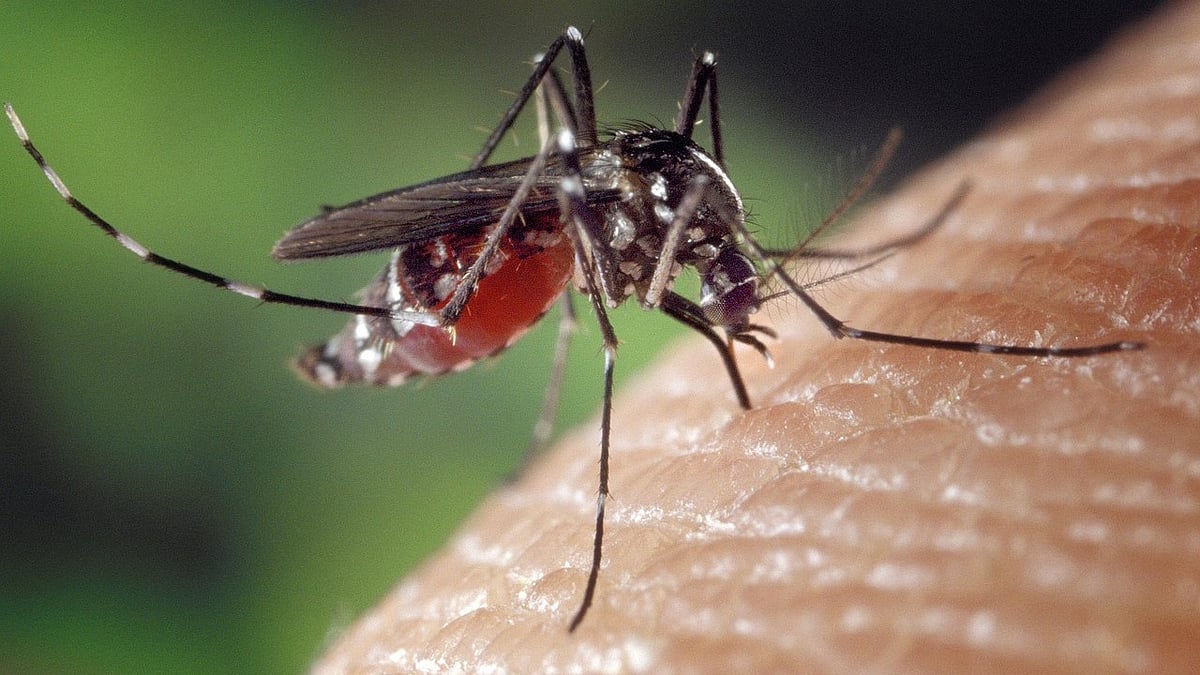
The BMC has intensified disease surveillance, mosquito-control measures and field-level monitoring in areas reporting a higher incidence of monsoon-related illnesses.
To get details on exclusive and budget-friendly property deals in Mumbai & surrounding regions, do visit: https://budgetproperties.in/

