
Mumbai: In a major push to strengthen public transport across the Mumbai Metropolitan Region (MMR), the Maharashtra government approved the ambitious Metro Line 13 project connecting Mira-Bhayandar with Vasai-Virar. The corridor is expected to provide a faster alternative to the congested road network and significantly improve connectivity across the western suburbs.
The decision was taken at a meeting of the Cabinet Infrastructure Committee chaired by Maharashtra Chief Minister Devendra Fadnavis. The committee also approved the Soratapwadi-to-Varve-Shivre ring road project in Pune.
The 25.03-km Metro Line 13 will be built at an estimated cost of Rs 17,724.99 crore. Of the total corridor, 21.78 km will be elevated while 3.25 km will run underground. The project will have 16 stations, including 13 elevated and three underground stations. The new corridor will connect key areas including Mira Road, Naigaon, Vasai, Nalasopara and Virar, providing a direct public transport link across the rapidly developing MMR region.

Mumbai Metro 13 |
Six-Lane Road-Metro Bridge Over Vasai Creek
One of the key features of the project will be a 4.92-km-long six-lane road-cum-metro bridge over Vasai Creek, connecting Paanju Island. A metro depot has also been proposed at Chikhal Dongri to support operations along the corridor.
Metro Line 13 will provide direct connectivity to Naigaon, Nalasopara and Virar railway stations. At Netaji Subhash Chandra Bose Stadium, the corridor will connect with Metro Line 9, creating an interchange with the existing and upcoming metro network. To improve last-mile connectivity, bus services are also planned at all 16 metro stations.
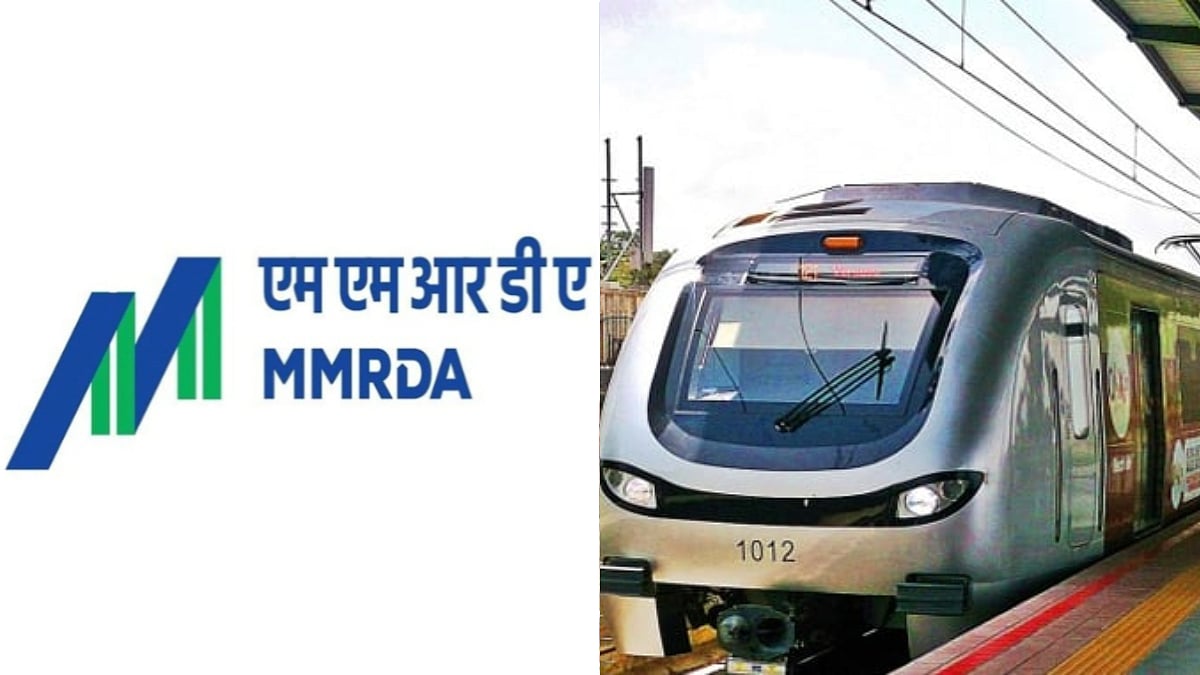
Government Sets 5-Year Completion Target
The project will require around 24.84 hectares of land. CM Fadnavis has directed officials to complete land acquisition and approach-road works within the next six months. The government has set a target of completing Metro Line 13 within five years from the date of approval.
The corridor is expected to carry around 4.49 lakh passengers daily by 2031. Officials estimate that the project could reduce road travel time by nearly 50 per cent, providing relief to commuters travelling between Mira-Bhayandar and Vasai-Virar.
The shift towards public transport is also expected to reduce dependence on private vehicles, ease pressure on national highways and help lower carbon emissions. The improved connectivity could further benefit industrial and logistics hubs in the region by making movement between key commercial centres faster and more efficient.
To get details on exclusive and budget-friendly property deals in Mumbai & surrounding regions, do visit: https://budgetproperties.in

