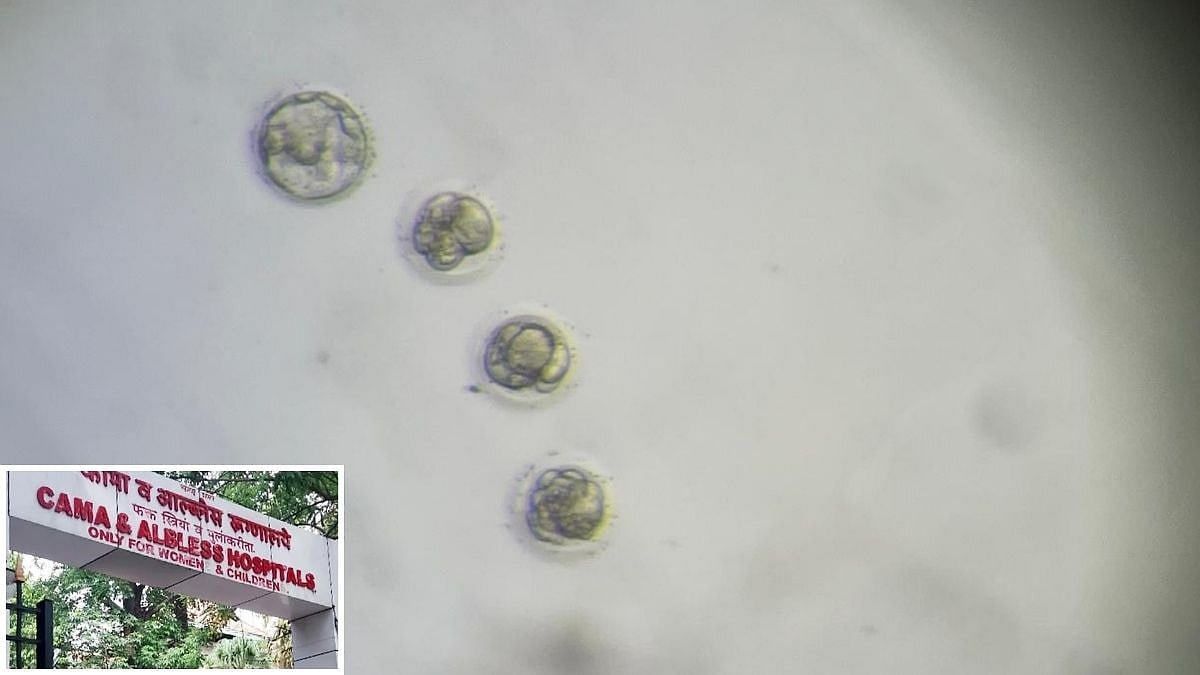
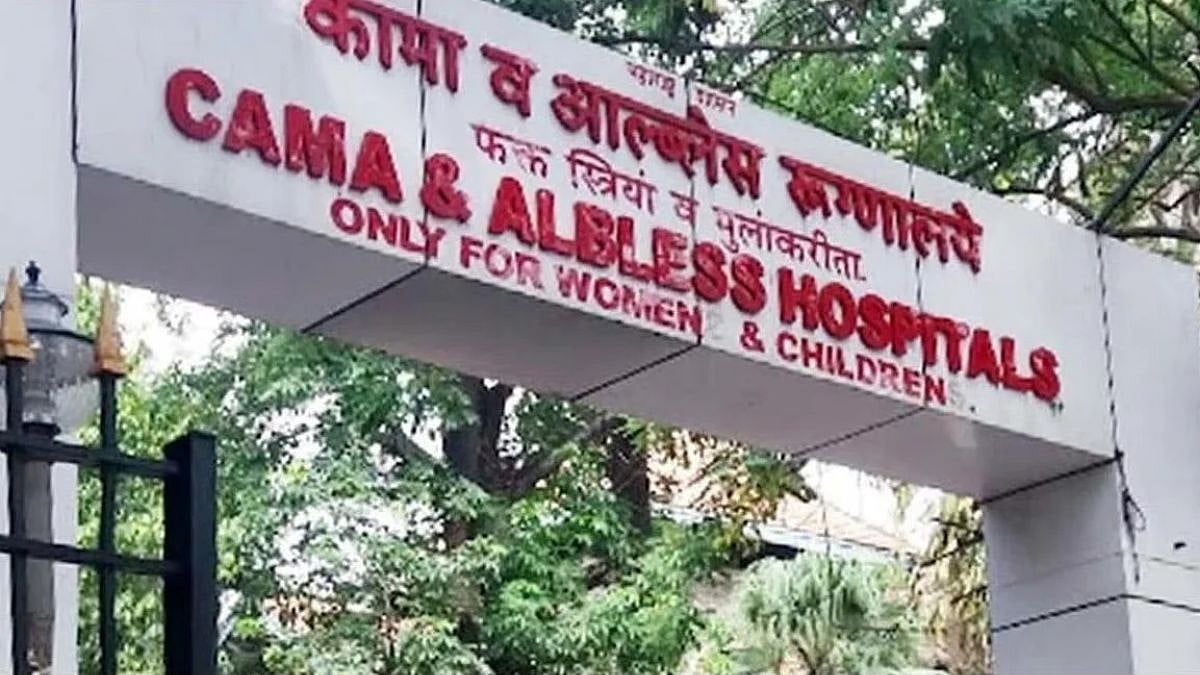
Mumbai, Jan 17: Cama and Albless Hospital in Mumbai has made history as the first government hospital in Maharashtra to form an embryo in its IVF/ART lab. A couple from a remote part of the state, married for 10 years without a child, received treatment at minimal cost, bringing hope to many couples struggling with infertility.
First government-run ART Bank
In November last year, the hospital received official approval to establish an Assisted Reproductive Technology (ART) Bank, making it the first government-run facility of its kind in Maharashtra. This move opens up access to affordable fertility treatments for thousands of childless couples who cannot afford costly private IVF centres.
Hospital officials hail milestone
Dr Tushar Palve, Medical Superintendent of Cama and Albless Hospital, said, “Our IVF/ART lab has achieved a significant milestone with the formation of the first embryo in a petri dish. This is a beacon of hope for many couples who have been struggling to conceive.”
Affordable care for low-income families
For economically weaker families, the high costs of IVF often make parenthood unattainable. While affluent couples turn to private clinics for test-tube babies, low-income couples are often left behind.
To bridge this gap, the state government inaugurated the IVF centre at Cama Hospital on March 6, 2024, and later applied for an ART Bank licence to enable the preservation of sperm and eggs.
Expanded fertility services
With the ART Bank approval, the hospital can now conduct ART-2 procedures. “Couples seeking IVF, ICSI, and other fertility treatments will have access to donor sperm, donor eggs, and cryopreservation services at significantly lower costs through the public healthcare system,” said Dr Palve.
Support for cancer patients
The ART Bank is also expected to benefit cancer patients and others undergoing serious medical treatments, providing affordable fertility preservation and allowing them to safeguard their chance of parenthood post-recovery.
How ART procedures work
ART procedures involve two key stages. First, women undergo a detailed medical evaluation. Conditions such as ovarian disorders, fibroids, or blockages in the uterus or fallopian tubes are treated through surgery or medication, enabling natural conception in many cases.
If these measures are unsuccessful, doctors proceed to IVF, where eggs and sperm are collected, fertilised in the laboratory, and the resulting embryo is transferred to the woman’s uterus. Babies born through this method are commonly referred to as test-tube babies.
Also Watch:
Wider access to reproductive technology
The ART Bank will provide a full range of services, including the collection, processing, secure storage, and distribution of sperm, eggs, and embryos for IVF and related treatments, making advanced reproductive technology accessible to a wider population.
To get details on exclusive and budget-friendly property deals in Mumbai & surrounding regions, do visit: https://budgetproperties.in/

