
Mumbai, November 16, 2026: Malaria cases in Mumbai have risen by nearly 48% in the first 10 months of 2026, while reported chikungunya infections have declined by 84%, according to data obtained through a Right to Information (RTI) application from the Brihanmumbai Municipal Corporation (BMC).
The city recorded 12,574 malaria cases till October 2026, compared with 8,521 during the corresponding period last year, an increase of 4,053 cases. In contrast, chikungunya cases dropped from 710 to 113 during the same period, a reduction of 597 cases.
Malaria Cases Rise During Monsoon
The rise in malaria infections has been evident since the beginning of the year. Earlier BMC data showed that the city recorded 3,681 malaria cases between January 1 and July 14, 2026, compared with 3,115 during the corresponding period last year, an increase of 18.2%.
The numbers rose further during the monsoon, with 7,422 cases reported between June and September, against 5,144 in the same period in 2025, marking a 44% increase.
By September 15, the cumulative tally had reached 8,723, compared with 6,277 last year, a rise of 39%. The latest October figures indicate that the upward trend continued.
Questions Over Chikungunya Testing Facilities
However, the sharp decline in chikungunya infections has raised questions over whether cases have actually reduced or are going undetected due to inadequate diagnostic facilities in civic hospitals.
RTI activist Chetan Kothari, who obtained the information from the BMC health department, said several suburban civic hospitals, including V.N. Desai Hospital in Santacruz, Bhabha Hospital and Rajawadi Hospital, lack ELISA testing facilities to confirm chikungunya infections. He also pointed out that rapid test kits were unavailable at several hospitals, according to a recent RTI response.
Kothari questioned the reliability of the reported decline in the absence of adequate testing facilities. He said that while the health department often attributes a rise in reported infections to improved testing and surveillance, it is equally important to examine whether the decline reflects actual disease control or inadequate detection.
BMC Intensifies Mosquito-Control Measures
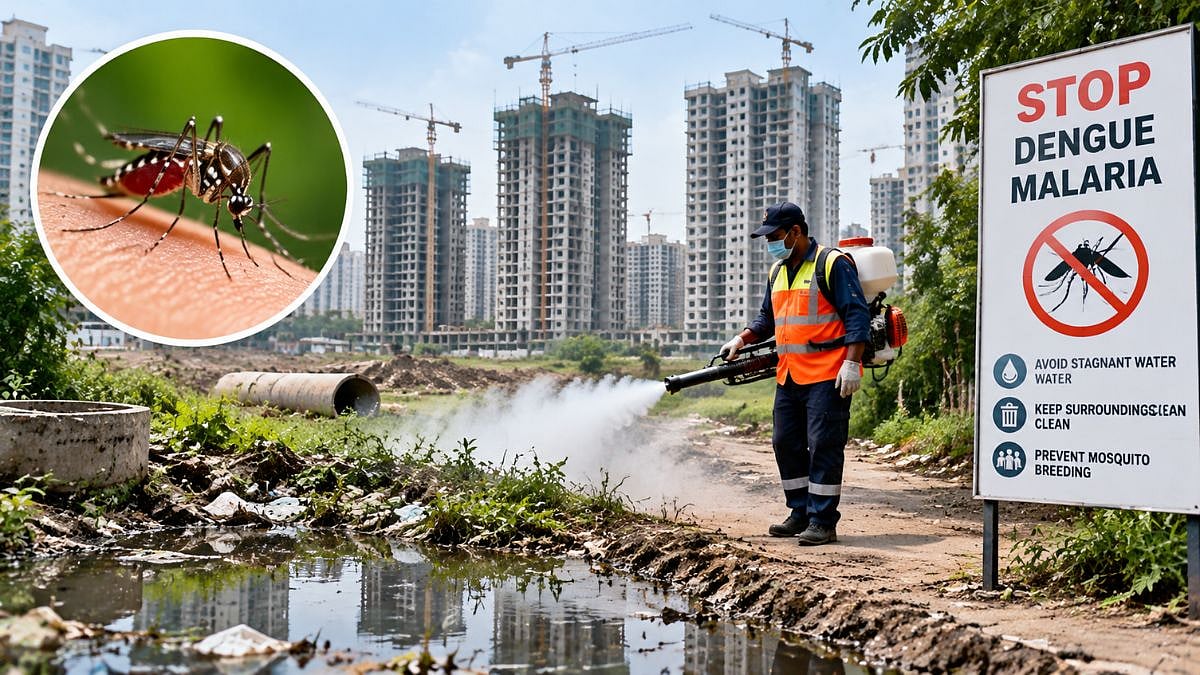
Meanwhile, the BMC said it had intensified mosquito-control and surveillance measures across the city through fever surveys, blood sample collection, inspections of mosquito-breeding sites, fogging and insecticide spraying.
According to the BMC's Epidemic Control Cell, between January 1 and September 15, civic teams surveyed 5,94,269 homes, covering 27,93,193 people, and collected 32,114 blood samples.
They inspected 21,655 potential malaria-breeding sites, of which 3,367 tested positive for Anopheles mosquito breeding. The civic body also removed 661 discarded tyres and 22,344 scrap articles to eliminate potential breeding spots.
Between September 1 and 15, fogging was carried out at 20,713 building premises and 3,21,716 slum structures. During its pre-monsoon drive from January to May 27, the BMC had fumigated 30.17 lakh houses and eliminated around 22,000 mosquito-breeding spots, deploying nearly 1,000 workers for inspections and mosquito-control activities.
Also Watch:
Despite these efforts, the rise in malaria cases and questions over chikungunya testing highlight the need for stronger disease surveillance.
The BMC needs to review the availability of diagnostic facilities across its hospitals to establish whether the decline in chikungunya cases represents a genuine reduction in infections or possible underreporting.
To get details on exclusive and budget-friendly property deals in Mumbai & surrounding regions, do visit: https://budgetproperties.in/

