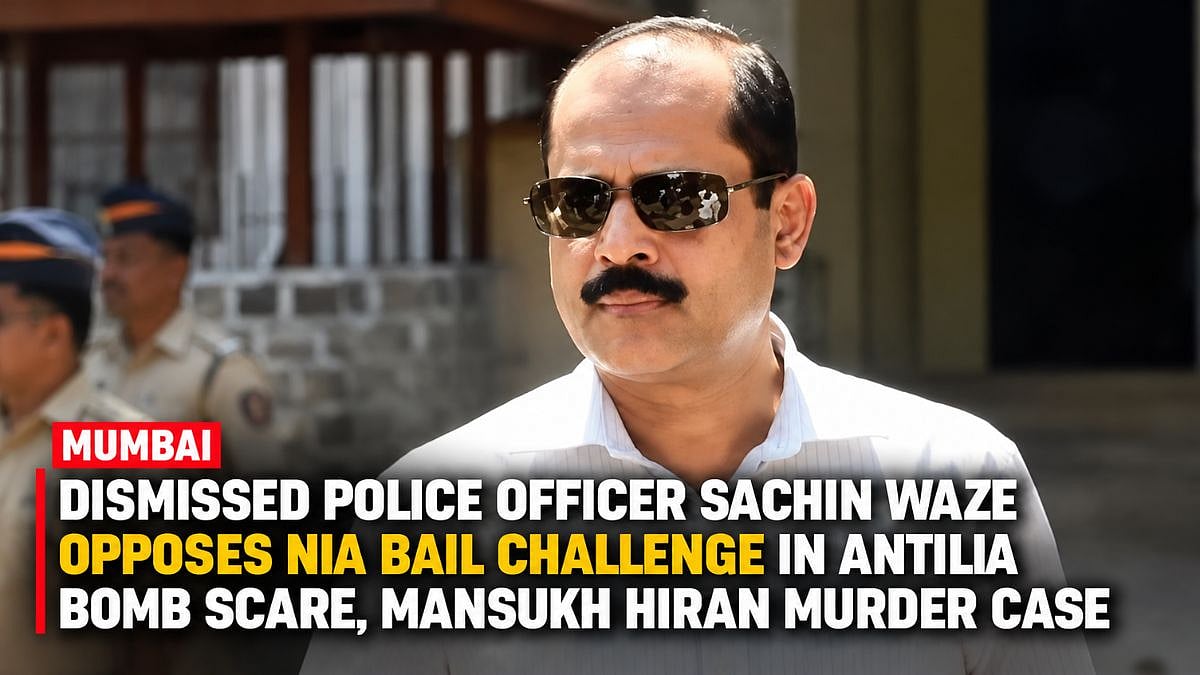
Mumbai, October 14, 2026: Suspended police officer Sachin Waze has told the Bombay High Court that the recovery of gelatin sticks from a vehicle parked near Antilia, without a detonator or fuse, cannot by itself establish a terrorist act under the Unlawful Activities (Prevention) Act (UAPA).
Waze Challenges NIA's Bail Appeal
He was replying to a plea filed by the National Investigation Agency (NIA) challenging the bail granted to him in the Antilia explosives case and the murder of businessman Mansukh Hiran.
In his written submissions, through advocate Sajal Yadav, Waze has questioned the agency’s claim that he conspired to plant a Scorpio carrying gelatin sticks and a threat note on Carmichael Road on February 25, 2021. He has also argued that there is no material linking him to the procurement of the explosives.
The NIA alleges that Waze orchestrated the placement of the vehicle near Ambani’s residence and subsequently arranged Hiran’s murder to prevent the conspiracy from being exposed. Hiran’s body was found in Thane Creek in March 2021.
Questions Raised Over Telegram Messages
Waze’s submissions also question the authenticity of messages posted on the Telegram channel ‘Jaish Ul Hind’, which initially claimed responsibility for placing the vehicle before another post denied the group’s involvement.
The special NIA court granted Waze bail on September 29, 2026, citing several factors, including the prolonged investigation and the absence of material showing a demand for extortion money. The court also observed that the ingredients of a terrorist act under the UAPA had not been prima facie established at the bail stage.
High Court Stays Waze's Release
The court noted that the investigation remained incomplete more than five years after the incident. It imposed strict conditions, including restrictions on Waze’s residence in Mumbai, Navi Mumbai, Thane, Palghar and Raigad, weekly reporting to the police and surrender of his passport.
The NIA challenged the bail order, following which the High Court stayed Waze’s release on September 30.
Trial Delay Cited In Bail Arguments
In his submissions, Waze has relied on Supreme Court judgments to argue that prolonged incarceration and delays in trial must be considered while deciding bail, even in cases involving stringent laws such as the UAPA.
He has also cited a Supreme Court ruling that a murder committed to prevent the disclosure of another crime does not automatically amount to a terrorist act.
Also Watch:
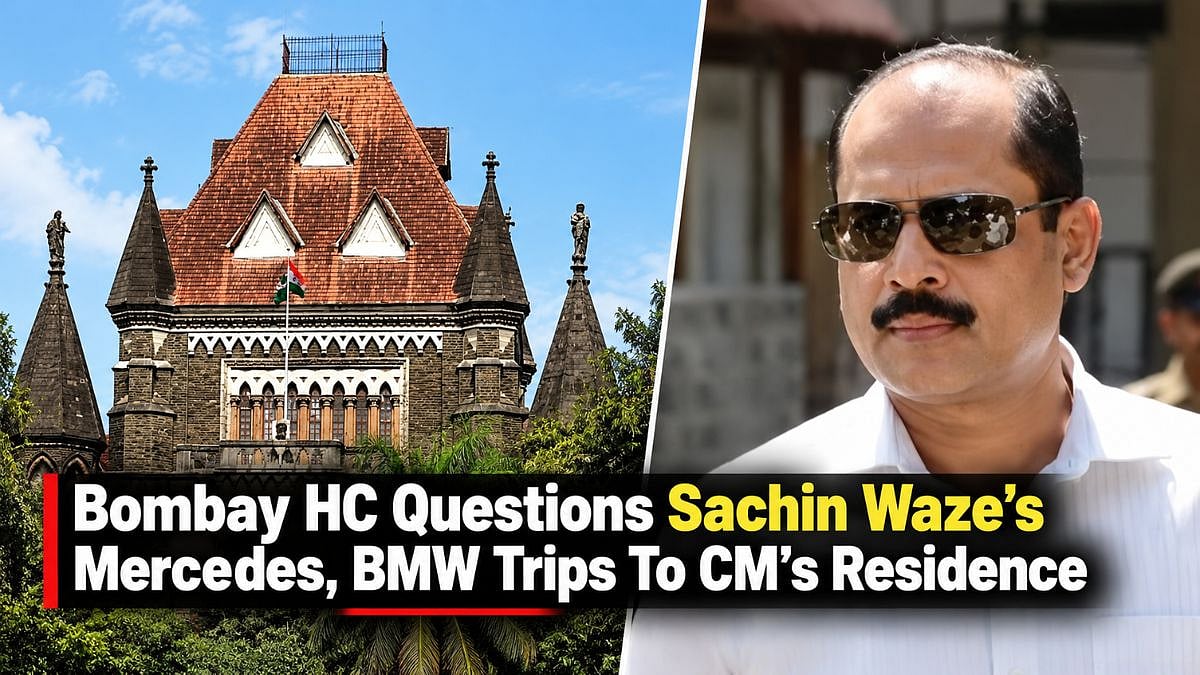
Charges were framed against the accused in August 2026. According to the submissions, no witness had been examined when the arguments were prepared.
The High Court will continue hearing the NIA’s plea on October 16.
To get details on exclusive and budget-friendly property deals in Mumbai & surrounding regions, do visit: https://budgetproperties.in/

