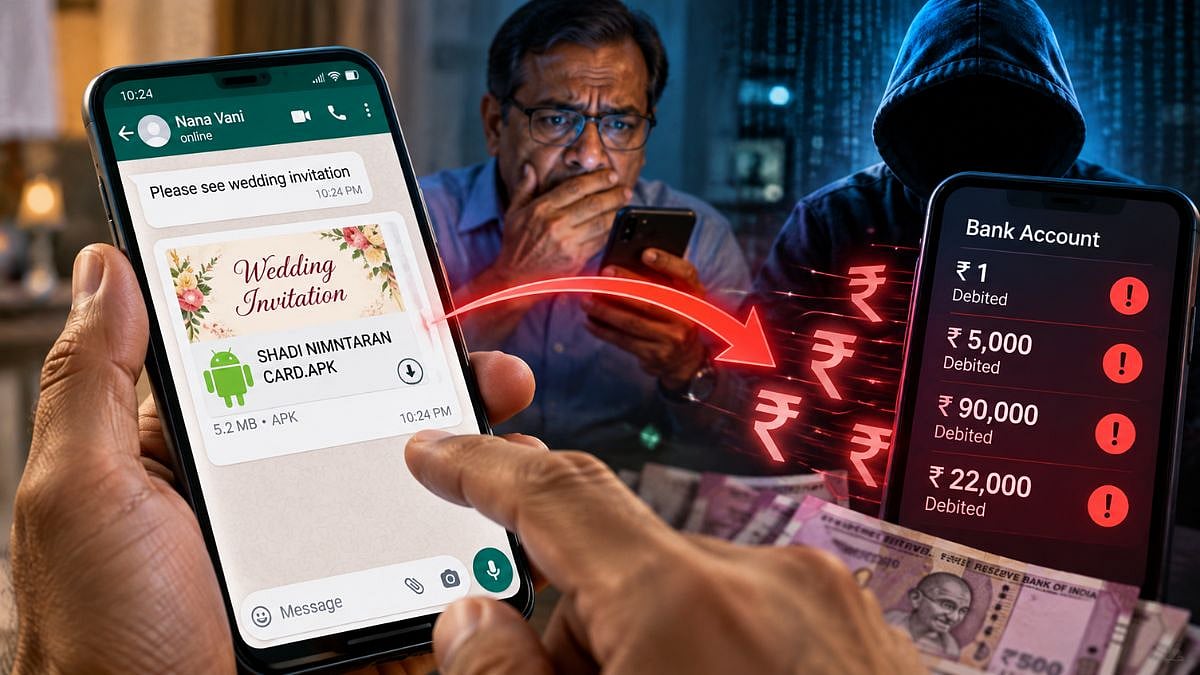
Mumbai, October 20, 2026: Cybercriminals are targeting citizens with a new WhatsApp scam in which a malicious APK file disguised as a wedding invitation is sent to unsuspecting users.
In the latest incident, a 60-year-old businessman from Govandi allegedly lost Rs 3.61 lakh after opening a file named “SHADI NIMNTARAN CARD.APK” on his mobile phone.
The Govandi police have registered a case against unidentified persons under relevant sections of the Bharatiya Nyaya Sanhita (BNS) and the Information Technology Act. Further investigation is underway.
According to the FIR, the complainant, Pramod Kashinath Bahalkar, resides with his family on Govandi Station Road and owns a medical shop in Airoli, Navi Mumbai. On September 19, 2026, he received a WhatsApp message containing a wedding invitation file from the number of an acquaintance, Nana Vani.
Since Bahalkar knew that Vani’s son was in talks for marriage, he assumed that the wedding had been finalised and that the invitation was genuine. However, as he was busy, he did not open the file immediately.
On September 21, at around 10.30 pm, Bahalkar downloaded and opened the APK file. His mobile phone suddenly hung, leading him to believe that the device was running slowly because of insufficient storage. He switched it off and kept it aside. When he restarted it the following day, the phone appeared to be functioning normally.
That night, Bahalkar travelled to Sri Lanka with his family for a holiday. On September 27, while he was abroad, he received SMS alerts about unauthorised debits from his Axis Bank account, including transactions of Rs 1, Rs 5,000 and Rs 90,000. He also received an alert about a Rs 22,000 debit from his State Bank of India account.
As he had not authorised these transactions, Bahalkar immediately contacted Axis Bank and requested a stop-payment action. He also sent an email to the bank, asking it to stop the transactions.
He subsequently informed his building supervisor, Dinesh Davare, about the suspected fraud and asked him to lodge a complaint through the national cybercrime helpline, 1930. Davare filed a complaint accordingly.
After returning to Mumbai, Bahalkar contacted the helpline himself on October 1 and registered another complaint detailing the fraud.
Suspicious APK File Found
Suspecting that his phone had been compromised, Bahalkar later approached a mobile repair shop in Airoli after experiencing performance issues. The shopkeeper reportedly found that a suspicious APK file, allegedly used for cyber fraud, had been installed on the device. The phone was subsequently formatted.
Bahalkar then contacted Vani to enquire about the invitation. Vani reportedly told him that his own phone had also been hacked and that the malicious APK file had been sent through his WhatsApp account to several contacts without his knowledge.
Further Debits Despite Complaints
Despite the complaints, Bahalkar received further alerts on October 5 about additional debits from his bank accounts. According to the complaint, cybercriminals transferred a total of Rs 3.61 lakh from his accounts to other bank accounts.
Police have registered a case and are investigating the alleged cyber fraud.
Also Watch:
Cyber Safety Advisory
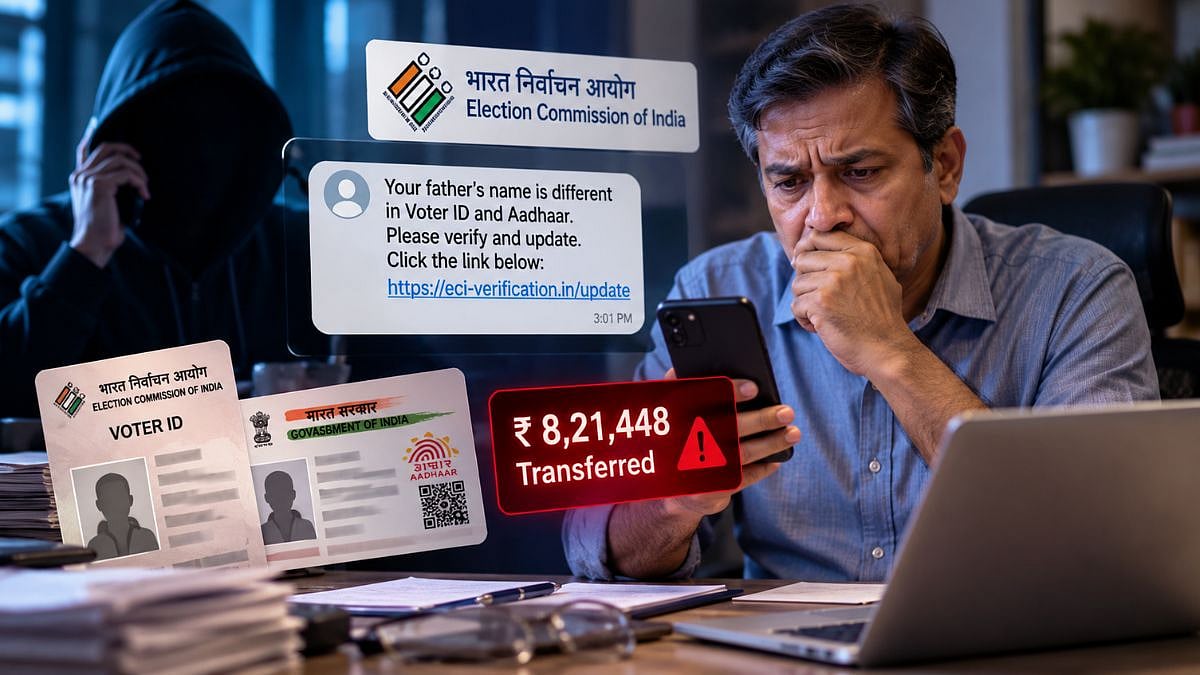
Citizens are advised not to download or install APK files received through WhatsApp, even if they appear to come from known contacts. Users should independently verify suspicious messages with the sender and report suspected cyber financial fraud immediately by calling 1930.
To get details on exclusive and budget-friendly property deals in Mumbai & surrounding regions, do visit: https://budgetproperties.in/

