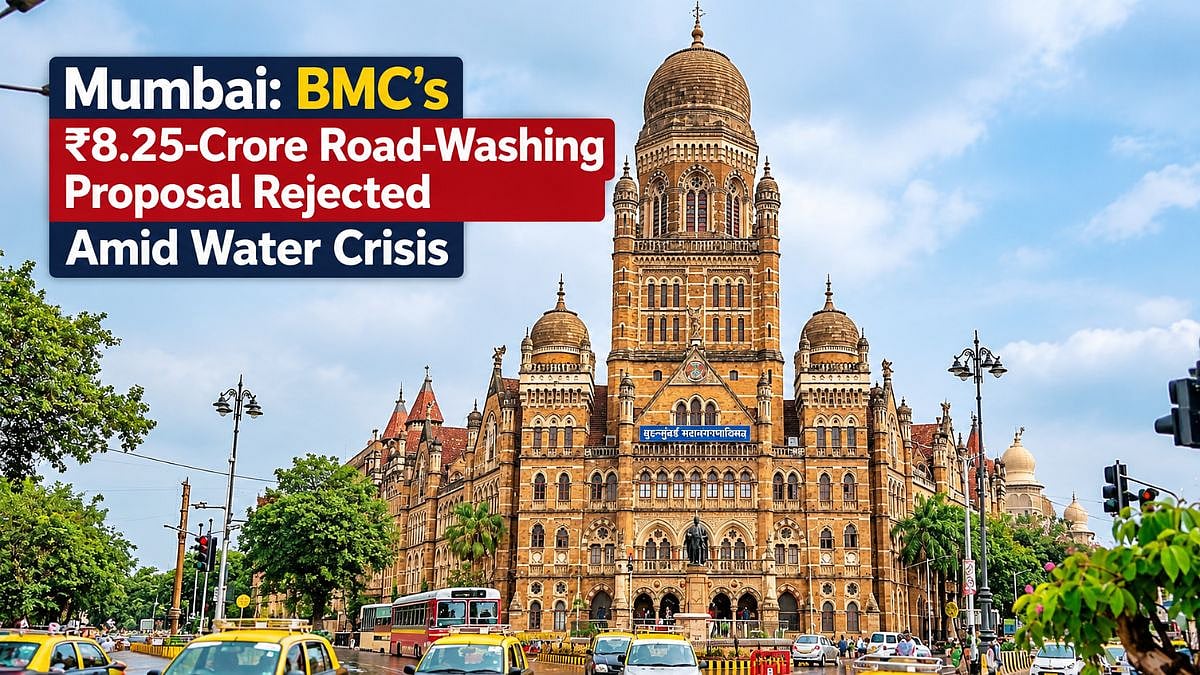
Mumbai, October 9, 2026: The BMC’s proposal to wash Mumbai’s roads to curb dust pollution was rejected by the Standing Committee on Friday, with corporators across party lines flagging the insensitivity of using even non-potable water for road cleaning amid Maharashtra’s worsening water crisis and drought. The committee directed civic authorities to explore solutions that can suppress road dust without washing.
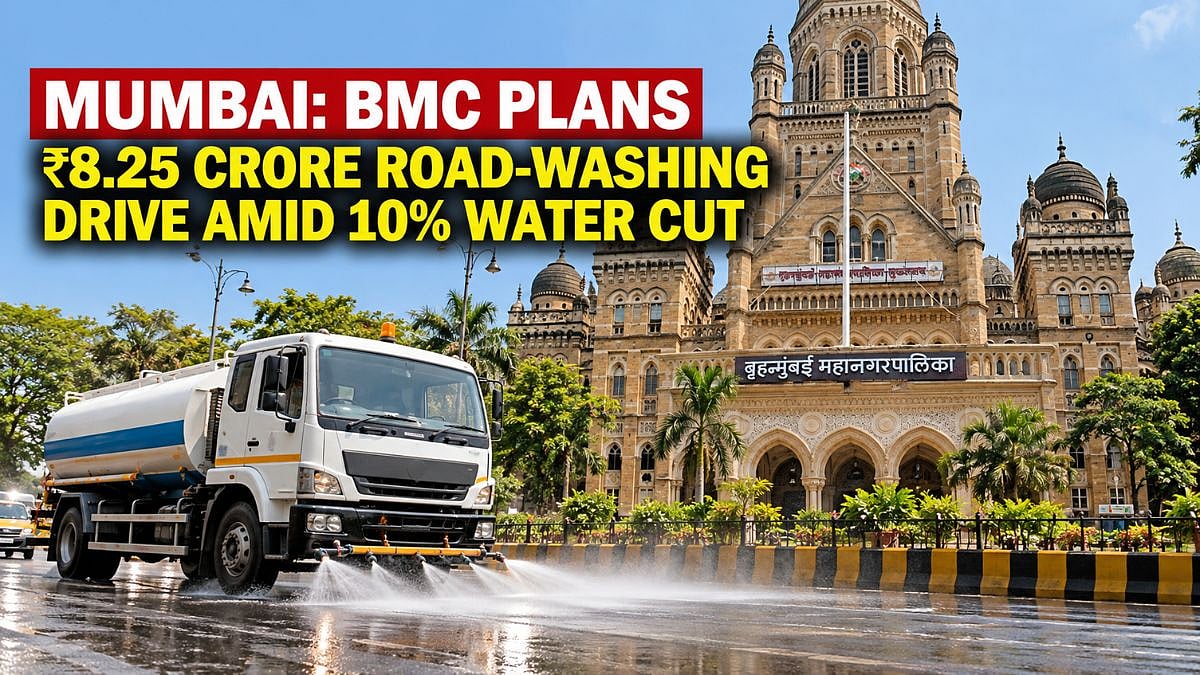
The BMC has proposed washing 377 roads spanning 677 km daily using high-pressure water tankers across seven zones for 150 days, excluding the monsoon, at a cost of Rs 8.25 crore to curb dust pollution from construction, traffic and industrial activity.
During Friday's Standing Committee meeting, Leader of the House Ganesh Khankar proposed shelving the road-washing proposal amid the worsening water crisis.
Congress group leader Ashraf Azmi called for a hydrant policy to restore and utilise the city’s hydrants for road cleaning, urging the BMC to explore alternative measures to curb rising air pollution.
MNS group leader Yashwant Killedar said the surge in construction activity had made dust-control measures imperative, but questioned the availability of water for road washing, even from wells, and sought details on the use of treated water from sewage treatment plants.
Standing Committee chairperson Prabhakar Shinde called for developers to be held accountable for controlling dust at construction sites, warning that washing roads amid a water crisis would be insensitive. The proposal to wash the roads was rejected unanimously by the committee.
Alternative Measures To Curb Dust Pollution
A civic official said road washing was among the measures undertaken by the BMC in compliance with Bombay High Court directions. With the proposal rejected, the civic body will have to explore alternative ways to curb dust pollution. The BMC has already procured vehicle-mounted dust-suction systems, sprinklers and fogging and misting systems for dust suppression.
The BMC began washing roads in November 2023 following directions from then Chief Minister Eknath Shinde. The proposed drive involved 2,000-, 5,000- and 10,000-litre tankers spraying roads with high-pressure water to suppress dust from construction, redevelopment, vehicular and industrial activities. The cleaning operations were scheduled during off-peak hours, particularly between 3 am and 6 am.
Also Watch:
Mumbai’s Water Stock And Supply
Mumbai’s seven lakes held 13,64,045 million litres (ML) of useful live storage as of October 9, against a combined capacity of 14,47,363 ML. The BMC supplies 4,100 ML of water daily, while the deficit is 500 ML per day.
According to BMC projections, the stock could last until June 10, 2027, without a water cut or retention of reserve storage, and until September 5, 2027, if the existing 10 per cent cut continues and approved reserves in Upper Vaitarna and Bhatsa are maintained.
The BMC imposed a 10 per cent water cut from May 15. Amid drought-like conditions, the Maharashtra government has ordered a minimum 10 per cent cut across the state from October 16, directing urban and rural local bodies to implement the measure and industries to recycle at least 30 per cent of their water use.
The state’s dams ended the four-month monsoon season with average water availability of 75.25 per cent, down from 88.82 per cent during the same period last year.
To get details on exclusive and budget-friendly property deals in Mumbai & surrounding regions, do visit: https://budgetproperties.in/

