Mumbai, June 4: A coalition of environmental groups from across the Mumbai Metropolitan Region (MMR) has proposed an ambitious climate-finance model that would allow Maharashtra to generate long-term revenue from mangroves, wetlands and mudflats through a dedicated blue-carbon credit system.
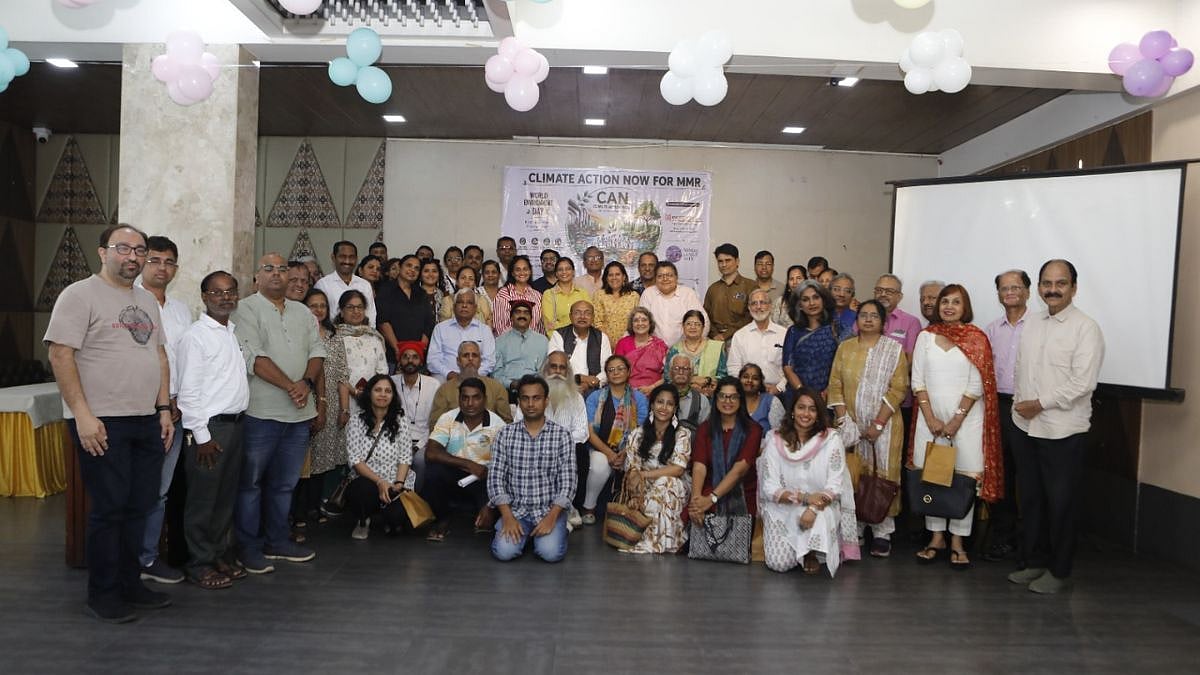
The proposal emerged at the Climate Action Now (CAN) roundtable hosted by the NatConnect Foundation on the eve of World Environment Day on Thursday.
Blue-carbon credit system proposed
The gathering brought together environmental organisations, citizen groups and conservationists who endorsed the creation of a large-scale Flamingo Blue Carbon Urban Complex across the MMR.
Participants argued that instead of viewing mangroves, wetlands and mudflats as vacant land available for development, the state should recognise them as valuable climate assets capable of generating income through carbon-credit trading while strengthening ecological resilience.
Under the proposed framework, industries with high carbon emissions — including cement, aviation, construction, shipping and heavy manufacturing sectors — could purchase certified blue-carbon credits linked to protected coastal ecosystems.
Revenue for conservation
The resulting revenue was stated to be reinvested in mangrove conservation, wetland restoration, biodiversity protection, flood mitigation and climate-resilience projects.
The roundtable was attended by representatives of Sagar Shakti, Swarnsrishti Habitat Restorer Foundation, Parsik Greens, Sajag Nagrik Manch, Powai ALM, Save Flamingos/Mangroves, Save Belapur Hills and Human Chain Online.
A CAN Declaration adopted at the conclusion of the meeting expressed concern over increasing destruction of mangroves, wetlands and mudflats across the region and called upon the government to explore innovative mechanisms for monetising ecological assets rather than permitting their conversion for real-estate development.
Wetland protection sought
The participants urged the state government to notify and protect wetlands across Maharashtra, restore degraded tidal ecosystems, safeguard flamingo habitats, establish biodiversity corridors and formally recognise blue-carbon ecosystems as strategic climate resources.
The roundtable also called for redevelopment projects across the MMR to incorporate climate-sensitive infrastructure such as rainwater harvesting systems, groundwater recharge mechanisms, rooftop solar installations, recycled-water usage and low-carbon urban planning.
Environmentalists further sought stronger environmental governance through independent monitoring systems, transparent compliance reporting, annual sustainability audits and greater public accountability.
Call for coordinated climate action
The declaration stressed that climate resilience cannot be achieved through isolated initiatives and requires coordinated participation from citizens, fishing communities, scientists, institutions, corporations and policymakers.
“We seek to build a future where development and ecology coexist responsibly, where environmental protection becomes central to governance, and where climate resilience becomes the foundation of urban planning and public policy,” the declaration stated.
Participants warned that continued destruction of wetlands, mangroves and mudflats could expose the Mumbai Metropolitan Region to severe flooding, heatwaves, biodiversity loss and escalating climate-related disasters, resulting in significant economic and social costs.
They argued that the proposed Flamingo Blue Carbon Urban Complex offers a unique opportunity to transform ecological conservation into a source of long-term environmental security and economic value.
Also Watch:

“Protecting nature is cheaper than rebuilding cities after climate disasters,” participants said, urging governments, industries and citizens to act before ecological damage becomes irreversible.
The declaration concluded with a call for collective climate action across the region: “If Not Now, When? If Not Us, Who?”
To get details on exclusive and budget-friendly property deals in Mumbai & surrounding regions, do visit: https://budgetproperties.in/

