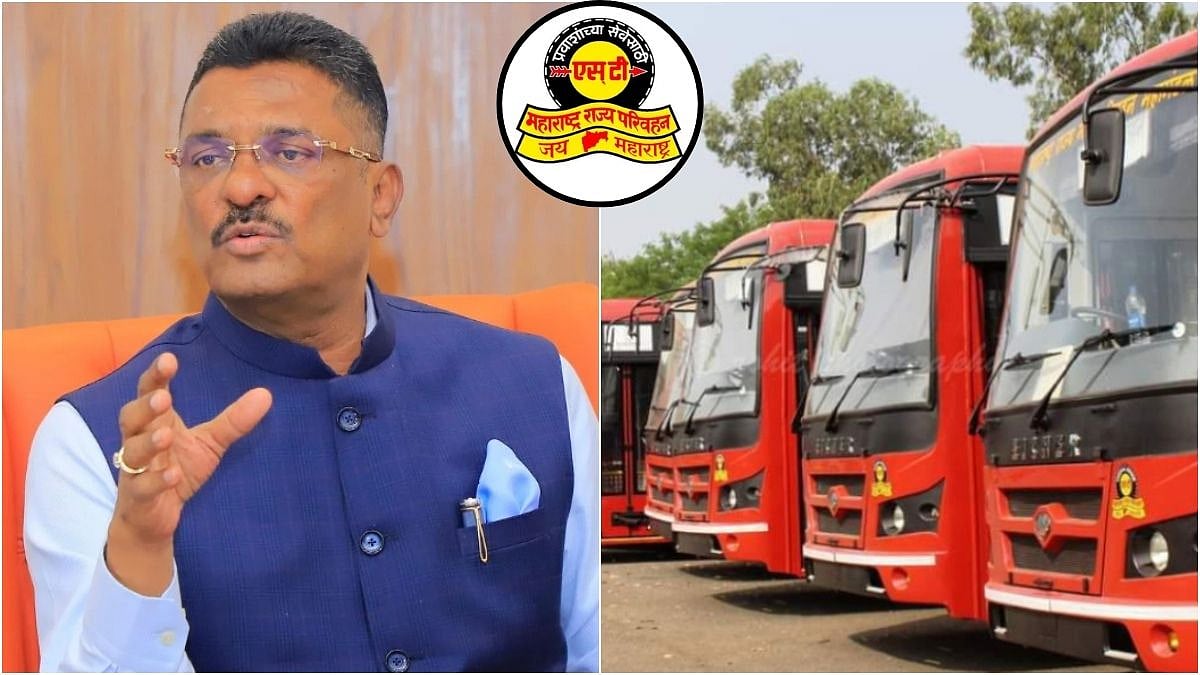
Mumbai, Feb 19: The Maharashtra State Road Transport Corporation (MSRTC) is expected to achieve financial stability by the end of the year, State Transport Minister and MSRTC Chairman Pratap Sarnaik said on Wednesday, citing a major fleet expansion plan and anticipated growth in passenger ridership.
Push for financial turnaround
The state government has approved the induction of 8,300 new buses this year in a bid to reverse mounting operational losses and restore service capacity across Maharashtra. The undertaking is currently incurring a daily deficit of approximately Rs 1–1.5 crore, with expenditure hovering around Rs 34–35 crore against revenue of nearly Rs 33 crore.
Officials believe increasing fleet strength will directly translate into higher ridership and improved earnings.
“More buses will bring more passengers, and higher ridership will automatically improve earnings,” Sarnaik said.
Impact of Covid-19 and operational setbacks
Before the Covid-19 pandemic, MSRTC operated nearly 18,000–19,000 buses and carried about 66 lakh passengers daily. However, prolonged procurement delays and employee strikes over the past four to five years reduced the operational fleet to around 12,600 buses by the end of 2024.
Ridership recovery driven by concessions
Despite the reduced capacity, passenger numbers have gradually recovered due to state concessions, including a 50 per cent fare discount for women and free travel for senior citizens above 75 years. At present, MSRTC carries nearly 50 lakh passengers daily, though several routes continue to face service shortages.
8,300-bus induction plan
The first phase of the state’s long-term plan to procure 20,000–25,000 buses will see 8,300 buses added to the fleet.
High-capacity buses for intercity routes
The proposed additions include 3,000 high-capacity 55-seater buses in 3×2 configuration, scheduled to arrive in phases from March and to be named Rajmata Jijau Saheb, primarily for high-demand intercity routes.
Standard and midi buses for wider connectivity
Another 5,000 standard buses are in the final stage of tendering, while 100 midi buses will be introduced to improve connectivity in remote and tribal regions. Additionally, 200 modern buses are planned to compete with private transport operators on premium routes.
Following the expansion, MSRTC aims to increase daily ridership to 70–75 lakh passengers.
Balancing service and finances
The minister emphasised that the corporation functions as a public service rather than a profit-oriented enterprise but must minimise financial losses through operational balance.
“MSRTC is a lifeline for common citizens. However, maintaining equilibrium between expenditure and income is essential. With additional buses, revenue will certainly rise and the corporation will become financially stable,” Sarnaik said.
Also Watch:
Revival of Lalpari network
Officials added that expanded rural connectivity, higher intercity frequency and improved accessibility to tribal hamlets are expected to strengthen the statewide network. With the fleet augmentation underway, the iconic red MSRTC buses — popularly known as Lalpari — are poised for a gradual revival, with the transport department expressing confidence that the undertaking will emerge from its financial crisis within the current year.
To get details on exclusive and budget-friendly property deals in Mumbai & surrounding regions, do visit: https://budgetproperties.in/

