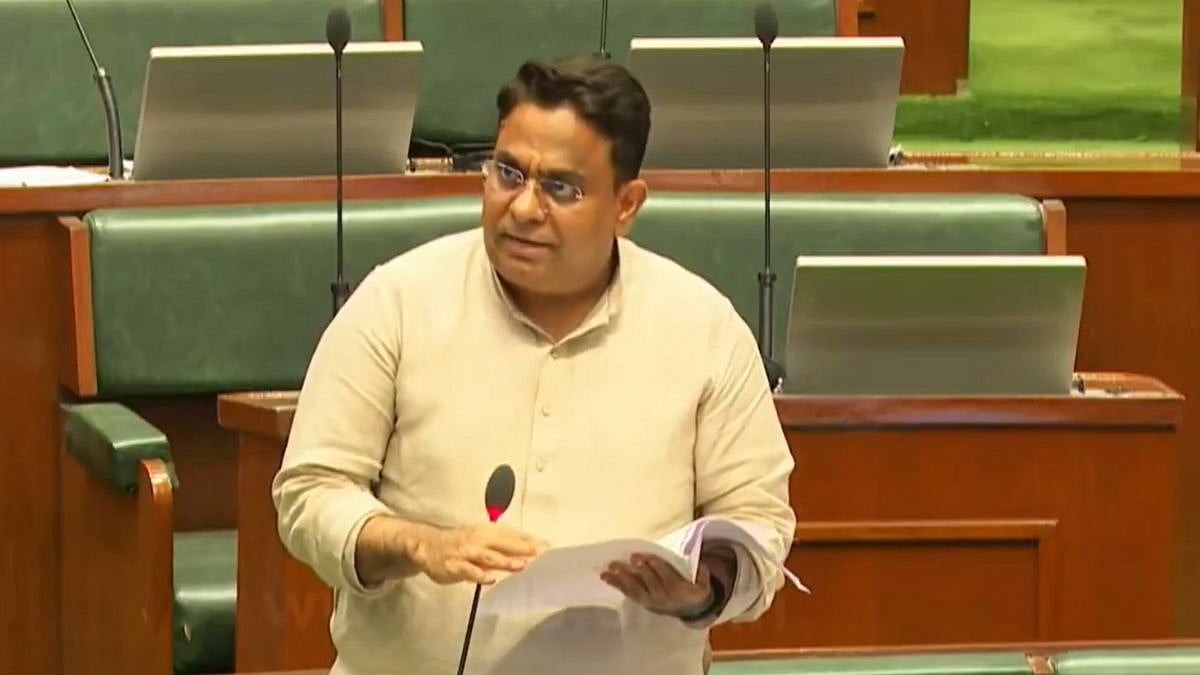
A private member's bill has been submitted in the Maharashtra Legislative Assembly seeking a ban on minors from using social media. The bill, presented by Samajwadi Party MLA Rais Shaikh, proposes strict compliance rules for social media companies and mandatory parental involvement in their children's online activities.
Concerns Over Mental Health, Behaviour and Privacy
Shaikh said that in recent years, social media platforms have significantly affected the mental health, behaviour, and privacy of minors. He noted that global research has highlighted the adverse effects of prolonged and unregulated exposure on children and adolescents.
“Incidents of online bullying, harmful content exposure, misinformation, and addictive behaviour patterns among minors have become serious public health and safety concerns. The absence of effective verification mechanisms has led to children accessing inappropriate or psychologically damaging content,” Shaikh said.



Strict Compliance Rules Proposed for Platforms
The bill seeks the introduction of strong compliance obligations for social media companies.
“It aims to ensure parental involvement in the online activities of minors and establish a regulatory body to oversee digital child protection within the State. By implementing strong deterrents, the bill will help create a safer digital environment for the youth of Maharashtra,” Shaikh said, adding that existing laws under the Information Technology Act, 2000, and the Digital Personal Data Protection Act, 2023, do not adequately regulate age-specific access to social media.
Experts Support Regulation But Highlight Gaps
Mental health experts said the demand for regulating children’s access to social media is not new. Psychiatrist Dr. Harish Shetty said controls are necessary because social media companies are not self-regulating.
“One platform recently lowered its age cap to 13 years. It is high time we place regulations in the country,” said Shetty, who referenced the lawsuit filed by 33 US states against Meta Platforms Inc for allegedly harming young people’s mental health through addictive features.
Global Trends Toward Digital Child Safety
Shaikh has suggested the creation of a state-level regulatory body for digital child protection. Other countries are exploring similar measures. Australia recently announced a trial requiring social media companies to comply with stronger rules and involve parents, with final regulations expected by the end of 2026 depending on outcomes.
Addiction Concerns Backed by Global Reports
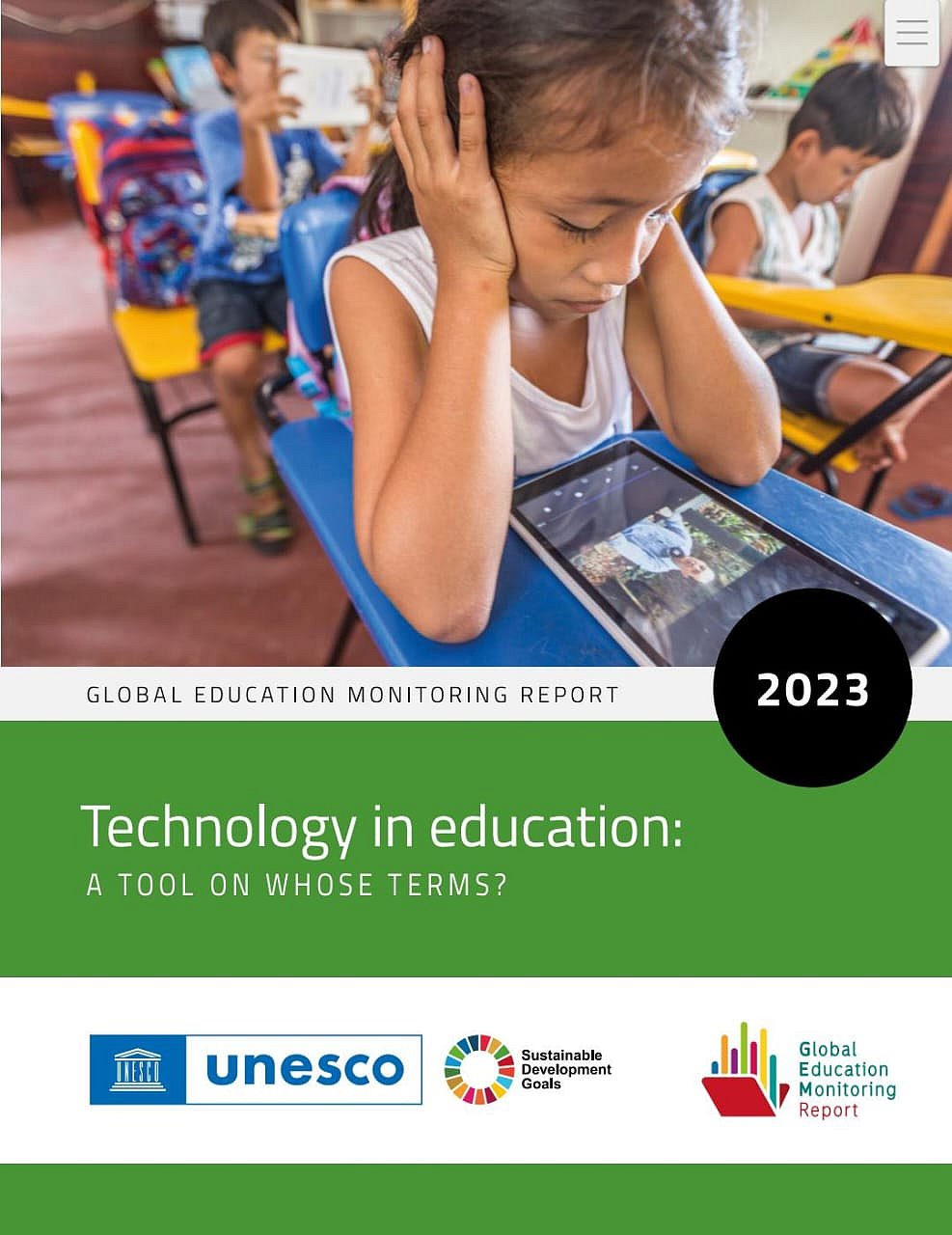
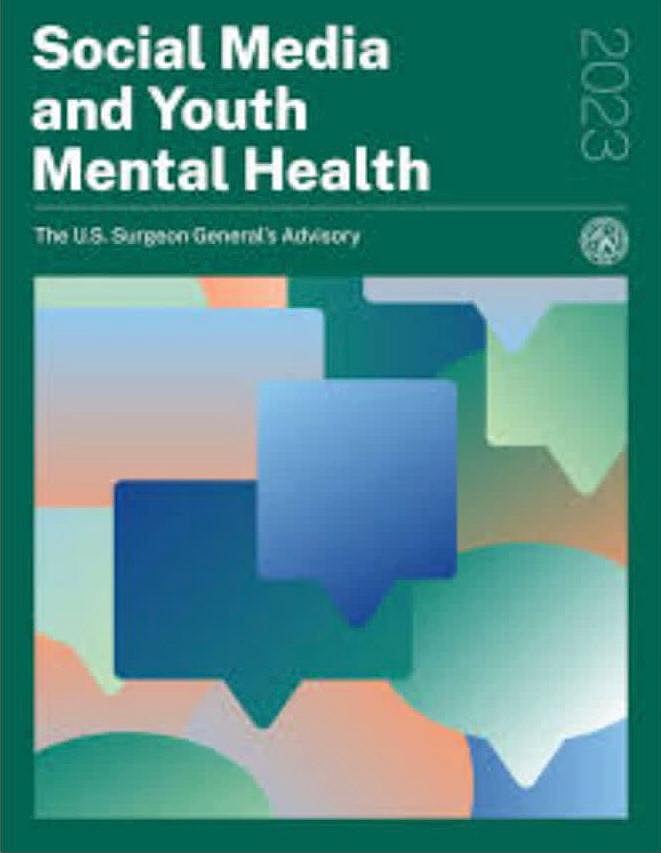
Shetty said that the question of restricting children's access is no longer debatable. He cited two key documents—UNESCO’s 2023 book “Technology in Education: A Tool on Whose Terms?” and the US Surgeon General’s 2023 advisory on “Social Media and Youth Mental Health”—both of which raise serious concerns about social media addiction.
“Mindless use of social media is equivalent to cocaine or other substance addiction,” Shetty said.
Will Regulation Work? Experts Divided
Psychiatrist and psychotherapist Husna Vanjara agreed that social media has many negative effects but questioned whether regulations alone would work.

“In our time, if we were not invited to a party, we didn’t know and didn’t linger on it. But today, social media throws it at you constantly,” Vanjara said. She added that “kids will always find loopholes,” noting that many parents remain unaware of their children’s involvement in social media campaigns.
Vanjara stressed the need for balanced parenting: “Parents should create an environment with clear boundaries where children feel safe. Kids should know where their parents are coming from, and vice versa. Social media, if used correctly, is good.”
To get details on exclusive and budget-friendly property deals in Mumbai & surrounding regions, do visit: https://budgetproperties.in/
