
Mumbai, October 30, 2026: The Maharashtra government has imposed a legal ban on transporting fodder outside the state and prohibited its use for biofuel production and power generation to ensure adequate availability for livestock amid drought conditions.
The government has also introduced a technology-driven monitoring system for fodder camps, making biometric or QR code-based attendance, verification of cattle registration and 24-hour CCTV surveillance mandatory to prevent irregularities.
The decisions were taken following recommendations of a cabinet sub-committee headed by Revenue Minister Chandrashekhar Bawankule and a study group, as per the directions of Chief Minister Devendra Fadnavis. The Animal Husbandry and Dairy Development Department has issued a Government Resolution (GR) in this regard.
Fodder Prices Capped To Prevent Black Marketing
To prevent black marketing and exploitation of farmers, the government has fixed the maximum price of dry fodder at Rs 12 per kg and silage at Rs 8 per kg, excluding transportation charges. Preference will be given to dry fodder considering its longer shelf life.
A state-level online platform, 'Chara Chawani Monitoring & Management System', and dashboard will be developed to ensure transparent implementation of the fodder camp scheme.
Depending on the number of affected livestock and fodder availability, one camp may be established in each revenue circle. The guidelines have also been revised to address irregularities reported during the 2018-19 drought.
Technology-Based Monitoring Of Fodder Camps
The existing District-level Drought Management Committee will be renamed the District-level Drought Management Monitoring and Review Committee, headed by the district guardian minister. A separate executive committee will function under the district collector.
Departments Assigned Fodder Production Targets
Various departments have been assigned responsibilities to increase fodder production. Sugar factories will supply sugarcane tops, bagasse and molasses as required, while agricultural universities, government farms and other institutions will undertake fodder cultivation on available land. Grazing grounds, pastures and barren lands will also be brought under fodder cultivation through government schemes.
The Forest Department will harvest and store grass from forest areas and distribute it through Farmer Producer Organisations (FPOs). Fodder banks will be established with the participation of FPOs, Farmer Producer Companies and voluntary organisations. Neighbouring districts will coordinate supplies wherever local availability is inadequate.
Funds Earmarked For Fodder Development
The government has directed district collectors to reserve at least 5% of District Annual Plan funds for fodder production, conservation and alternative sources.
A fodder literacy campaign will promote silage preparation, hydroponics, Azolla cultivation and thornless cactus. Farmers will also receive training in scientific fodder treatment. Mahabeej and other agencies will ensure adequate seed availability for the Rabi season.
Also Watch:
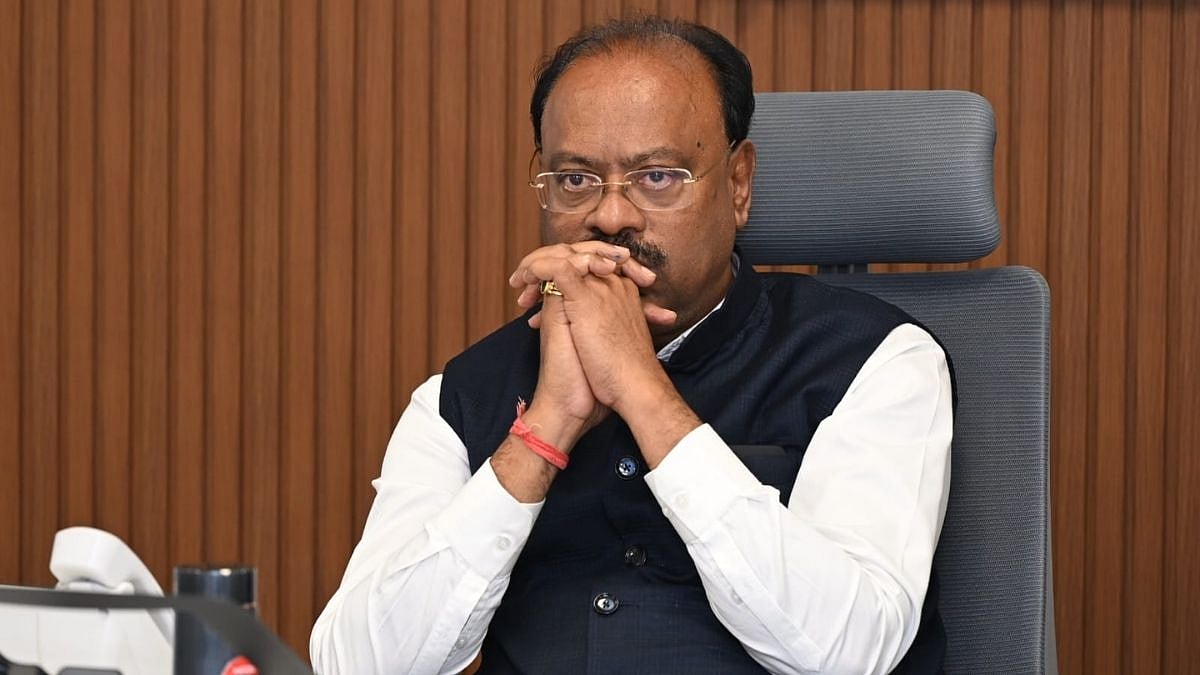
Bawankule Assures Assistance To Farmers
Bawankule said the government was committed to ensuring that no animal suffers due to shortages of fodder or water. He said all departments had been directed to prevent price increases and ensure assistance reaches farmers and livestock owners.
To get details on exclusive and budget-friendly property deals in Mumbai & surrounding regions, do visit: https://budgetproperties.in/

