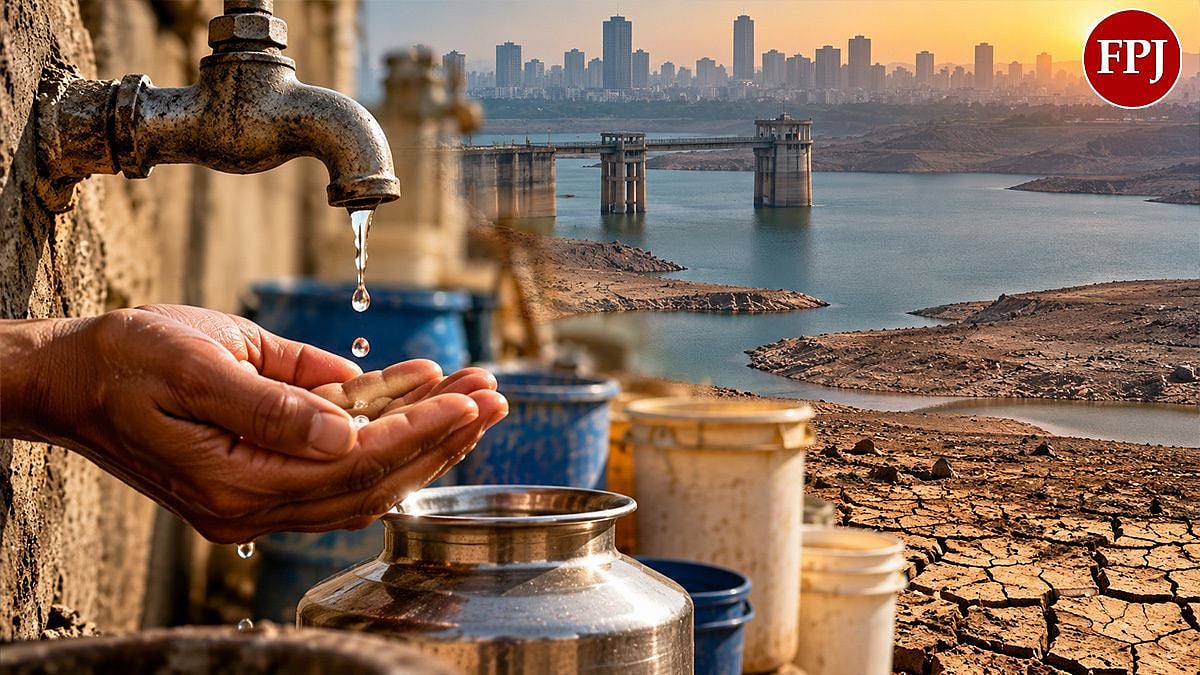
Mumbai: With El Nino-related concerns and rainfall uncertainty raising questions over long-term water availability, the Maharashtra government has formed a study group to prepare a comprehensive water security plan for the Mumbai Metropolitan Region (MMR) up to 2051. Headed by retired Water Resources Department secretary Dr Sanjay Belsare, the group has been directed to submit its report within three months.
The move comes amid concerns over Maharashtra’s rainfall deficit and the potential impact of developing El Nino conditions on water availability. The state received 19 per cent less rainfall than its seasonal average during the June-September 2026 monsoon, although Mumbai’s rainfall varied across the city’s two monitoring stations. The BMC has also warned that the water stock in the seven lakes supplying Mumbai could last only until May 2027, underscoring the importance of managing available resources and planning for future demand.
Government Orders Assessment Of Water Demand
According to a Hindustan Times report, the State Water Resources Department issued a government resolution (GR) on Monday, stating that rapid urbanisation, population growth, industrial development and new infrastructure projects are expected to significantly increase water demand across the MMR. The government has called for an integrated assessment of projected demand, available water resources, ongoing and proposed projects, potential shortages and the effects of climate change.
The study group will include representatives from civic bodies in Mumbai, Thane, Navi Mumbai and Kalyan-Dombivli, along with officials from the Mumbai Metropolitan Region Development Authority (MMRDA), Maharashtra Industrial Development Corporation and other agencies. The chief engineer of the Water Resources Department’s Konkan region will serve as the member secretary.
Panel To Project Requirements Until 2051
The panel will estimate water requirements for domestic, industrial, commercial, institutional and construction purposes for 2031, 2041 and 2051. These projections will be compared with available supplies to identify potential shortfalls and determine the infrastructure and resources needed to meet future demand.
Alternative Water Sources, Climate Risks In Focus
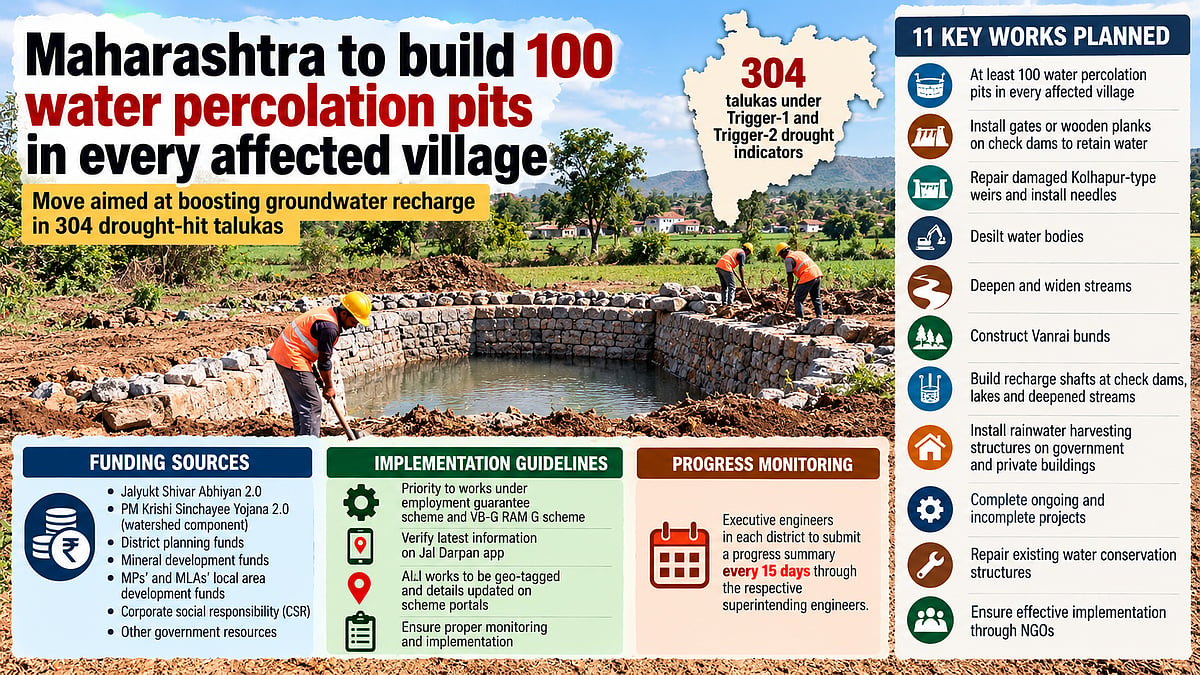
The government has asked the group to examine alternative sources, including treated wastewater, rainwater harvesting, groundwater recharge and the revival of local water bodies. It will also assess ways to reduce leakage, wastage and losses in water distribution networks.
El Nino, a climate phenomenon involving warmer-than-usual sea surface temperatures in the tropical Pacific, can influence monsoon patterns and increase the risk of below-normal rainfall in India. However, its effects vary by region, and water availability in Mumbai will also depend on rainfall in reservoir catchment areas, storage levels, subsequent inflows and demand.
The study will examine climate-related risks, including changing rainfall patterns, droughts, extreme rainfall and rising sea levels, to develop a climate-resilient strategy for the region. Based on its findings, the group will prepare a long-term roadmap identifying priority water projects, estimated costs, implementation timelines, funding requirements and the responsibilities of the departments concerned.
The plan is expected to guide water infrastructure and resource management across the MMR over the next 25 years, with the aim of ensuring a more reliable supply as the region’s population and water requirements grow amid increasing climate uncertainty.
To get details on exclusive and budget-friendly property deals in Mumbai & surrounding regions, do visit: https://budgetproperties.in/

