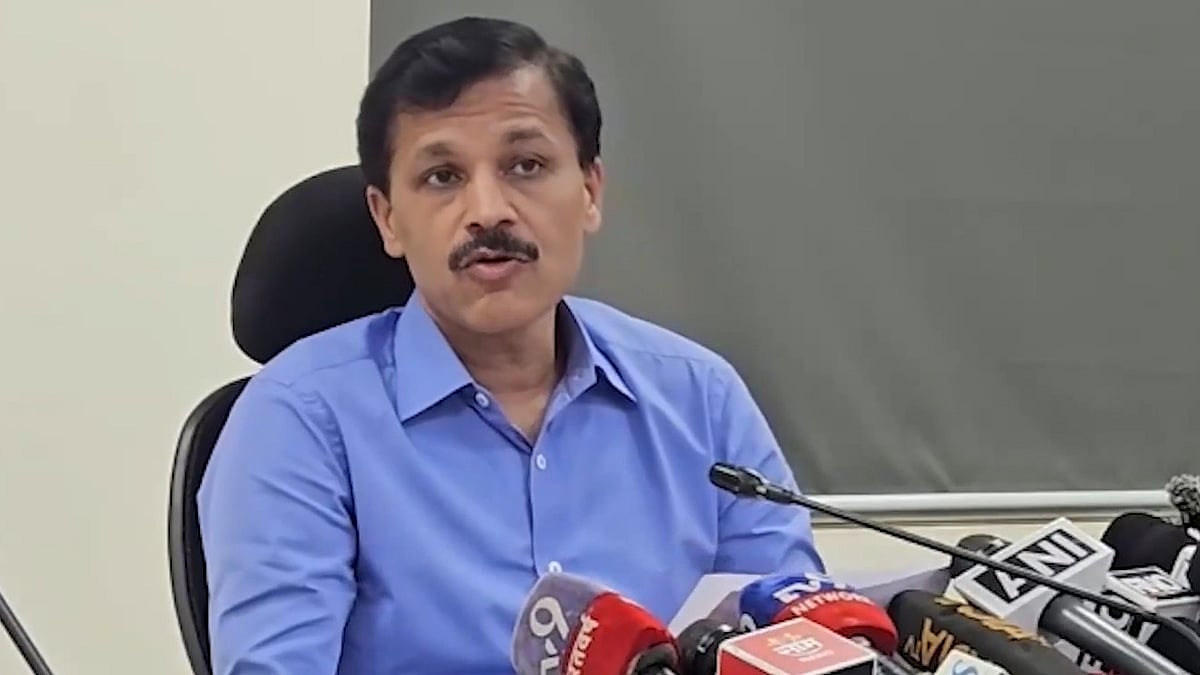
Mumbai: Ahead of the festival season, the Maharashtra Food and Drug Administration (FDA) has issued a year-long Standard Operating Procedure (SOP) covering mahaprasad, iftar meals, annachhatra, langar, bhandara and other large-scale food distributions.
Organisers will have to inform the FDA at least seven days before the event, while food must be prepared and supplied by a licensed caterer.
The FDA has introduced a permanent “Festival Enforcement Calendar” covering festivals, fairs, urus and other religious celebrations throughout the year. Separate orders will no longer be required for individual festivals, with one comprehensive order laying down the inspection and sampling plan across Maharashtra.
Festival food safety measures
Under the SOP, Food Safety Officers will personally visit sites where mahaprasad, iftar meals, annachhatra, langar and bhandara are organised to check food quality, hygiene and compliance with safety rules.
Organising mandals and institutions have been directed to use only licensed caterers.
The move comes as demand for sweets, khoa, paneer, ghee, milk, edible oil, gram flour and dry fruits rises sharply during festivals, increasing the risk of adulteration and unsafe food.
Festival categories and inspections
The FDA has divided festivals into three categories.
Ganeshotsav, Navratri, Diwali, Eid-ul-Fitr, Eid-ul-Adha, Christmas and New Year’s Eve will have statewide enforcement.
Regional festivals such as Makar Sankranti, Mahashivratri, Holi, Gudi Padwa, Akshaya Tritiya, Janmashtami, Dahi Handi and Dussehra will receive targeted checks.
Local fairs, jatras, urus, palkhi processions and village festivals will be monitored locally.
Inspections will begin 21 days before a festival, with officials identifying vulnerable areas and food products and checking manufacturers, mills, wholesale markets, storage facilities and other establishments.
During festivals, teams will conduct market surveillance, inspect sweet shops and eateries, carry out on-the-spot testing and respond to complaints.
Follow-up action will continue for up to 30 days after the festival.
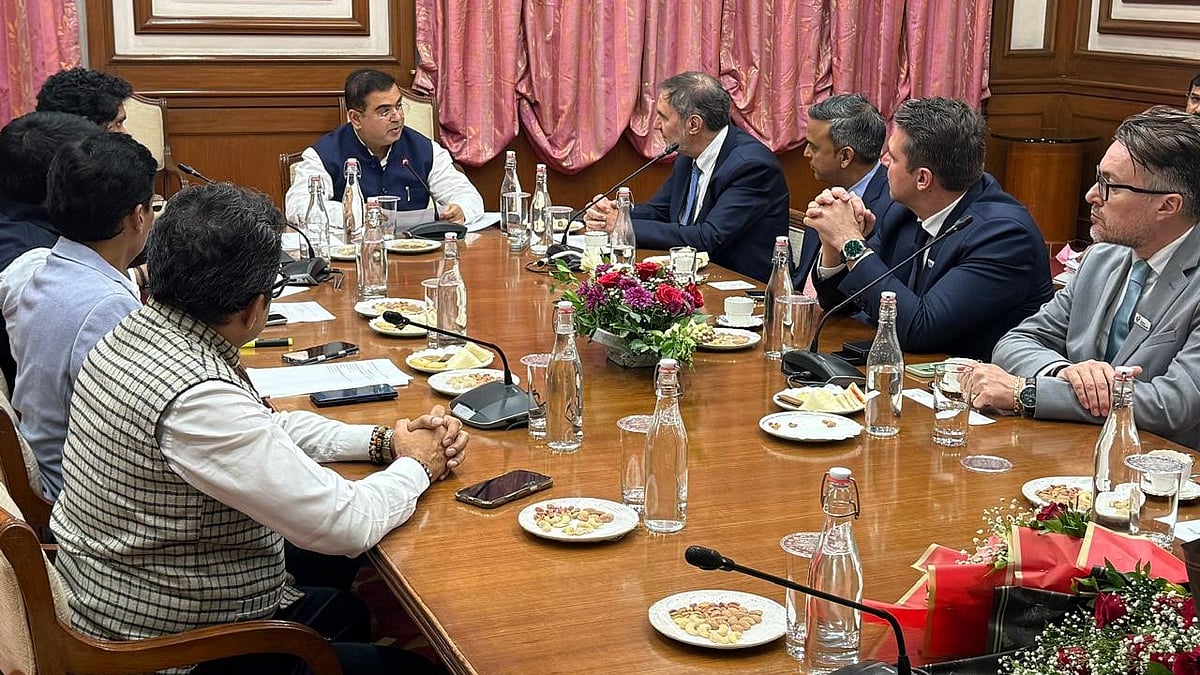
Focus on food products
Special attention will be given to milk and milk products, sweets, edible oil, fasting foods, meat, ice, water, food colours, dry fruits, gram flour, bakery products and fruits.
During Mahashivratri and Navratri, fasting foods such as bhagar, kuttu and singhada flour, sago and rajgira will be checked.
Dry fruits will be tested for harmful contamination, while gram flour will be checked for adulteration.
The FDA will intensify edible oil checks before Dussehra and Diwali and during Ramzan.
Oil found to have crossed the permitted safety limit will not be allowed for reuse and must be handed over to authorised agencies.
Also Watch:
Action against violations
Special inspections of cakes, cream products, chocolates, ice and packaged water will be conducted during Christmas and New Year.
Online grocery and quick-commerce warehouses will also be checked to prevent sale of expired food.
The FDA has directed food businesses to maintain valid licences, buy raw materials from authorised suppliers and keep purchase records.
Strict action will be taken against serious violations, while officials have been directed to ensure that genuine businesses are not unnecessarily harassed.
To get details on exclusive and budget-friendly property deals in Mumbai & surrounding regions, do visit: https://budgetproperties.in/

