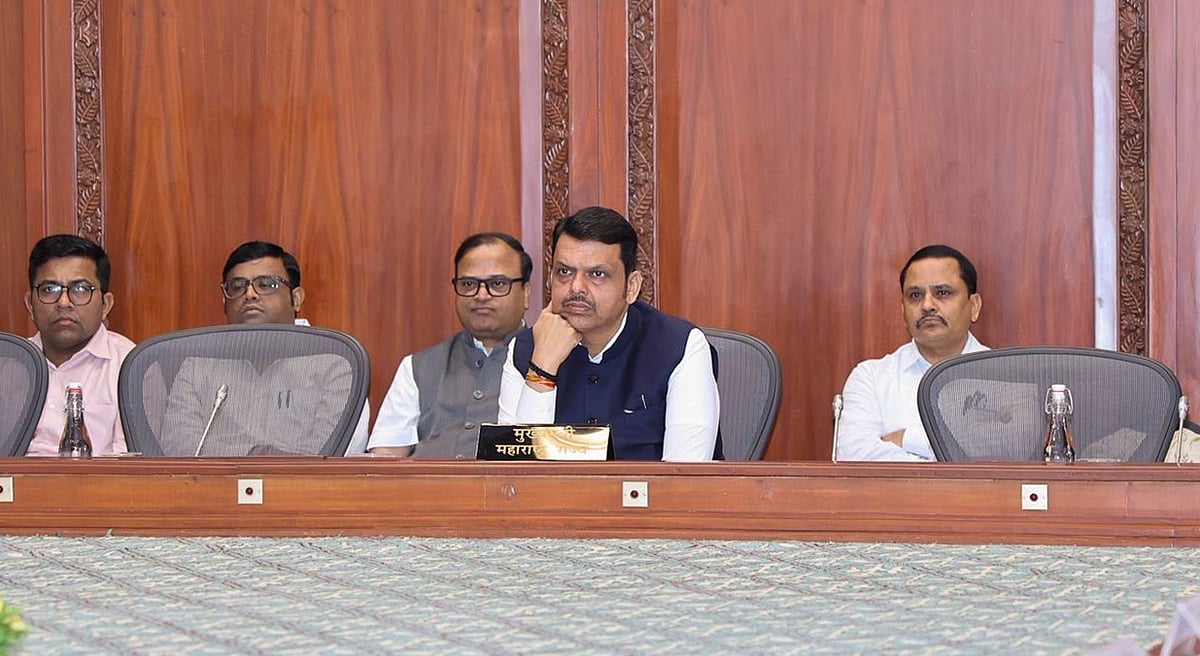
Mumbai: With the possibility of an El Niño event looming, Maharashtra Chief Minister Devendra Fadnavis has directed all departments to undertake immediate and coordinated measures to minimise its potential impact. Emphasising preparedness and effective implementation, the Chief Minister called for robust water management, acceleration of water conservation works, and restoration of old water sources across the state.
IMD Predicts Worst Impact in August-September
The directives were issued during a high-level review meeting chaired by the Chief Minister to assess the state’s preparedness in light of forecasts by the India Meteorological Department. According to the IMD, the impact of El Niño is expected to be most pronounced during August and September, with below-average rainfall likely during the monsoon season. While May month may see relatively moderate temperatures, an increased frequency of heatwaves has been predicted. Officials also noted that the development of a positive Indian Ocean Dipole (IOD) could partially offset the adverse effects of El Niño.
The meeting was attended by Agriculture Minister Dattatray Bharane, Minister of State for Agriculture, Finance and Planning Ashish Jaiswal, and senior officials from departments including agriculture, relief and rehabilitation, finance, water resources, and water conservation.
2015 Lessons to Help Tackle Situation
Fadnavis pointed out that in 2015, the state’s water storage stood at just 45 per cent after the monsoon, whereas currently, a similar level has been achieved even before the onset of rains. “With proper planning, the state can effectively tackle the situation,” he said, recalling that lessons from the 2015 El Niño helped safeguard crops in 2018 through timely interventions.
Highlighting the importance of water conservation, the Chief Minister stressed the need to expedite works under key schemes such as 'Jalyukt Shivar' and 'Galmukt Dharan–Galyukt Shivar'. He directed the finance department to ensure immediate availability of funds and prioritise the repair and rejuvenation of old water bodies to enhance storage capacity at minimal cost.
State & District Task Forces to Be Formed
Fadnavis also called for the formation of task forces at both state and district levels to monitor implementation and ensure optimal use of resources. District collectors, irrigation officials, and local self-government representatives will coordinate efforts to manage water use and storage efficiently.
He further warned that if rainfall drops below 90 per cent of the average, it could severely impact both drinking water supply and agriculture. In this context, departments have been asked to undertake advance planning not just for the current year but also for the next summer, ensuring judicious use and storage of water resources.

Fodder Plans for Solapur, Sangli, Marathwada
To address potential fodder shortages, the Chief Minister directed authorities to implement fodder development programmes proactively within the state, particularly in drought-prone regions like Solapur, Sangli, and Marathwada. He advised reducing dependence on other states and utilising dam backwater areas for fodder cultivation.
Additionally, Fadnavis stressed the need for timely decisions on fertiliser availability and called for linking fertiliser distribution with the AgriStack system to enhance transparency. He also advocated the use of artificial intelligence to strengthen monitoring mechanisms.
Meanwhile, Agriculture Minister Dattatray Bharane assured that the department is fully prepared to tackle the potential crisis and is implementing all necessary measures to prevent losses to farmers.
To get details on exclusive and budget-friendly property deals in Mumbai & surrounding regions, do visit: https://budgetproperties.in/

