Mumbai: The Maharashtra Anti-Terrorism Squad (ATS) on Monday conducted searches at three locations in Mumbai in connection with a case involving suspected online propaganda of the banned terror organisations Jaish-e-Mohammed (JeM) and Islamic State of Iraq and Syria (ISIS). Three engineering students are under the scanner for their alleged engagement with extremist content on social media platforms, officials said.
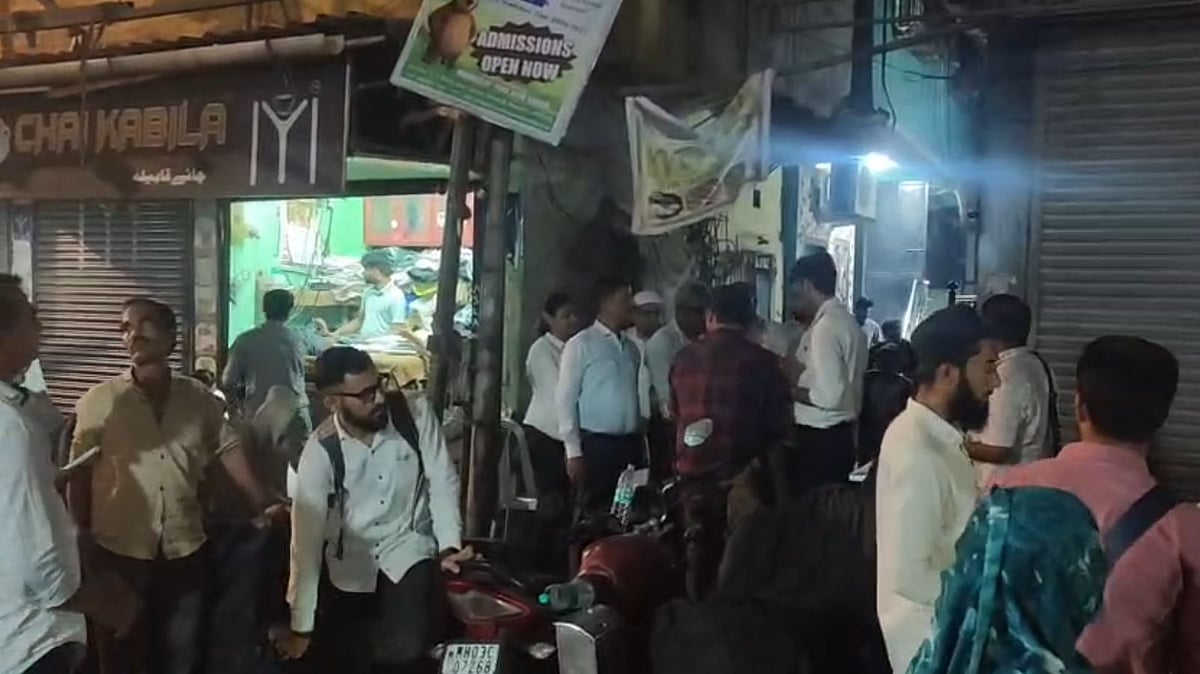
The searches began late Monday evening and continued till the early hours of Tuesday, with teams carrying out coordinated raids in Kurla, Shivaji Nagar and Govandi following specific intelligence inputs about online activity linked to JeM and ISIS propaganda handles. Sources said the suspects, all aged between 18 and 23, were allegedly involved in the dissemination and consumption of extremist content online, including sharing and interacting with posts, videos and digital publications associated with the terror outfits.
All three suspects are college students pursuing engineering courses, with two in their final year and one a junior.Investigators have not made any arrests. The operation has been described by the state agency as a preventive, intelligence-driven intervention, and further action is said to depend on the outcome of questioning and forensic examination of seized material.
According to sources, preliminary findings suggest the youths may have been self-radicalised through online content and were allegedly part of encrypted messaging groups, including channels on Telegram, which are suspected to have ideological links to banned organisations. Investigators allege that these three individuals, who are said to be close friends, were active participants in one such encrypted messaging group that reportedly included several foreign nationals and individuals alleged to be handlers or facilitators connected to ISIS and JeM sleeper networks.
Sources further alleged that audio and video clips linked to Masood Azhar, chief of the proscribed organisation JeM, were circulating within the encrypted group in which the youths were active. The material reportedly included video excerpts of past speeches, written posts, and other content shared through closed channels. Officials claim the material allegedly contained inflammatory statements, glorification of jihadist ideology, and rhetoric directed against security forces,purportedly aimed at ideologically influencing group members.
Apart from JeM-linked material, the suspects are also alleged to have been consuming propaganda purportedly related to ISIS, including translated excerpts from online magazines, audio messages attributed to former spokespersons, videos allegedly glorifying past attacks, and digital posters promoting extremist ideology. Investigators also allege that the youths had shared some of this content with additional individuals and groups, and that objectionable comments and anti-establishment messaging were found on the encrypted platforms. This material is currently being examined as part of the ongoing probe.

Also Watch:
During the searches, the ATS seized electronic devices including mobile phones, laptops, routers, and modems from the suspects’ residences. These are being examined for evidence of online communication, encrypted messaging data, and other digital activity. Several other individuals were also questioned to ascertain the nature and extent of their alleged involvement.
Investigators said the encrypted messaging group in which the three youths were allegedly active followed a structured pattern of radicalisation, beginning with emotionally charged videos and selective ideological content aimed at creating a sense of victimhood and grievance.The content often glorified past attackers as “martyrs” and used motivational messaging to instil purpose and belonging among young members. Over time, it escalated to detailed lectures, digital publications and speeches that sought to justify violence.Members were encouraged to react, participate in discussions and circulate material, fostering a closed ecosystem of ideological reinforcement and brotherhood. Officials believe that sustained exposure and peer validation within such networks can gradually shift individuals from passive consumers of content to active propagators of extremist ideology.
Officials said the operation is part of a broader investigation into online radicalisation and the circulation of extremist propaganda. Sources indicated that a few months earlier, during a separate probe into anti-national online content, security agencies had identified a self-radicalised group allegedly active in Govandi, Kurla, and other parts of Mumbai. That intelligence was subsequently shared with the ATS, which stepped up surveillance and technical monitoring.
To get details on exclusive and budget-friendly property deals in Mumbai & surrounding regions, do visit: https://budgetproperties.in/

