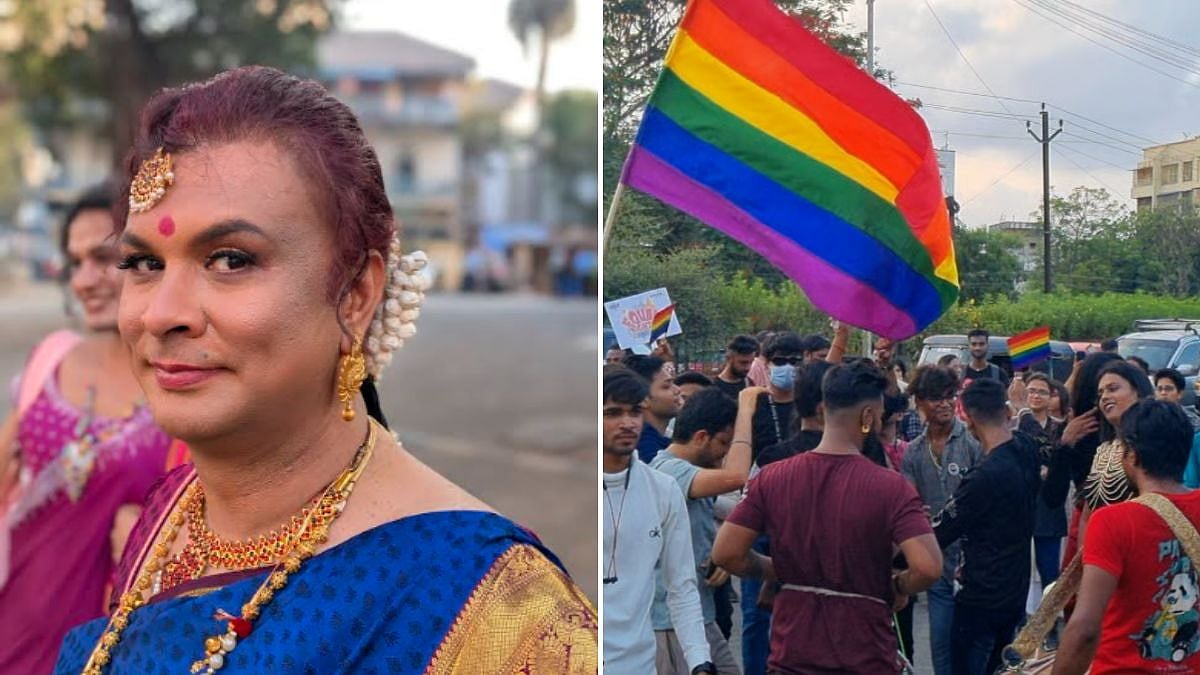
Mumbai: Protesting against what is being called the government’s 'legislative agenda', prominent Mumbai -based LGBTQ+ activist Harrish Iyer has resigned from a National Human Rights Commission (NHRC) advisory committee, citing the passage of a "discriminatory" 2026 Amendment Bill.
The resignation, announced through a series of evocative statements, highlights a growing rift between civil society and the institutions tasked with safeguarding constitutional liberties.
Activist Accuses NHRC of Failing Mandate
Iyer’s departure is a direct protest against the new Bill, which they claim was pushed through Parliament via a voice vote without adequate consultation. The activist described the current political climate as an "autocracy" and accused the NHRC of failing its fundamental mandate by remaining silent while marginalized communities are placed before a "legislative firing squad."
"I cannot, in good conscience, lend my name, my time, or my credibility to this committee," Iyer, head of diversity, equity and inclusion at a major bank, stated. "Rights have to be fought for; they are not won by sitting quietly in complicit committee rooms."
Concerns Over Criminalisation and Privacy
The activist raised several harrowing concerns regarding the specific provisions of the 2026 Amendment:
Weaponisation of Section 18: Perhaps the most controversial claim is that the Act will criminalise "chosen families" and allies. Under the new law, anyone offering safe haven to trans youth escaping abusive biological homes could be treated as a criminal.
The Bill is criticised for lacking scientific grounding, allegedly requiring "bodily scrutiny" to determine gender and ignoring the fact that gender identity does not depend on surgical intervention.
Critics argue the law effectively writes trans men out of legal existence, leaving them "invisible and vulnerable."
The resignation also casts a spotlight on the administrative structure of Indian human rights oversight. Iyer pointed out a perceived conflict of interest, noting that the NHRC operates under the "administrative umbrella" of the Ministry of Home Affairs (MHA)—the same ministry that controls the police forces responsible for enforcing the laws drafted by the Ministry of Social Justice and Empowerment (MoSJE).

"The Commission acts as an advisory board to the very system that is orchestrating our marginalisation," Iyer remarked, labelling the NHRC’s independence a "mere illusion."
Beyond the legal technicalities, the activist warned of a "state-sponsored mental health crisis" resulting from these legislative shifts. They expressed grave concern that the lack of legal recourse and the threat of criminalisation for allies are pushing young queer and trans people toward a sense of hopelessness and suicide.
The NHRC has yet to issue a formal response to the resignation or the specific allegations of institutional complicity. Meanwhile, Iyer has pledged to take the struggle back to the streets, stating that their place is now "with my people, fighting this zillat aur besharmi'.
Your voice matters. If you have a community story, issue, or inspiring local experience to share, send it to community@fpj.co.in and be a part of the conversation
To get details on exclusive and budget-friendly property deals in Mumbai & surrounding regions, do visit: https://budgetproperties.in/

