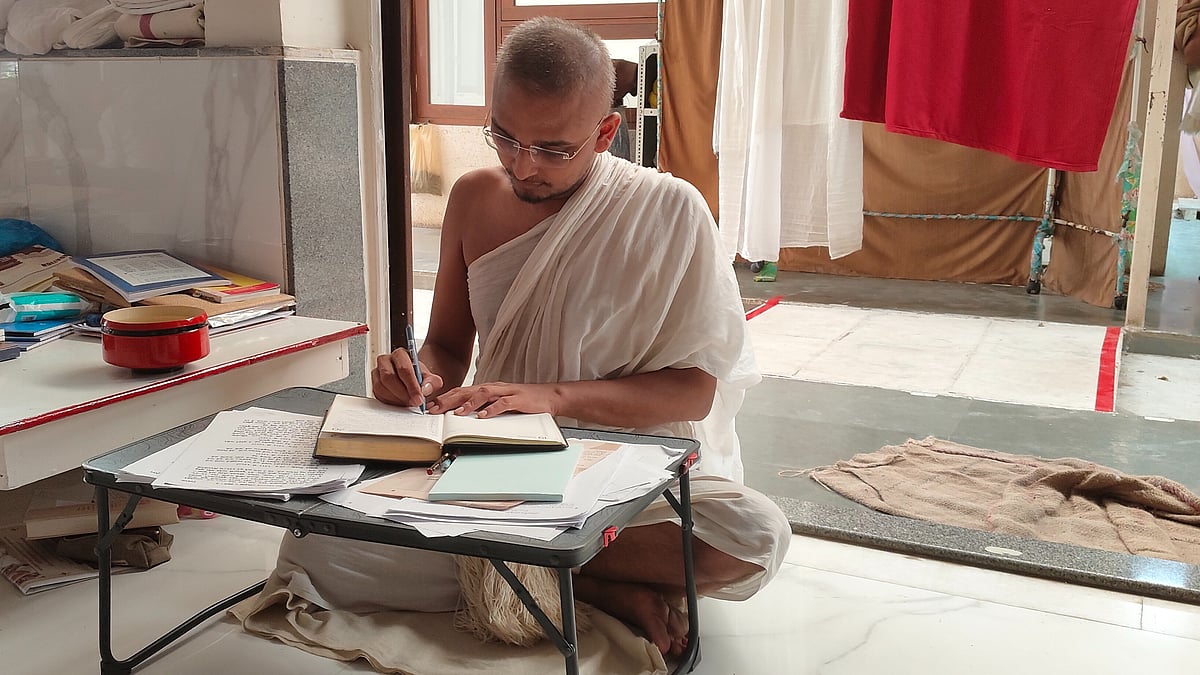
Mumbai: He has memorised 1,000 questions, recalled them in both ascending and descending order, and even answered questions by randomly selected numbers. Yet Jain monk Ajitchandra Sagarji Maharaj believes that the pursuit of academic excellence can exact a far heavier price than examination scores reveal.
650-Year-Old Feat Matched
Credited with matching a 650-year-old memory feat attributed to an ascetic in the royal court of Dhar in Malwa, Ajitchandra Sagarji achieved the feat of Sahastravdhani — retaining and recalling 1,000 questions posed by an audience in Mumbai in May 2024.
But for the monk, the feat is less about the limits of human memory than about the pressures placed on young minds.
‘Problem Is Selection System’
"The problem is in the selection system. Sometimes, children are driven by peer pressure and parental ambition. Why are there no cut-off marks for eligibility to take part in NEET and other competitive exams? When children pursue difficult dreams, there is pressure," said the monk, who is now staying at a Jain upashray in Borivali during Chaturmas, the period when Jain monks suspend their travelling and stay in one place.
In his late thirties, Sagarji has a close association with children through his teaching of Saraswati Sadhana, a Jain meditation and chanting practice conducted over a little more than a month and aimed at improving concentration, mental faculties and memory.
Thousands Join Programme
Nearly 50,000 children have undergone the programme, which begins with the recitation of the Saraswati mantra and gradually progresses to dhyan, or meditation. Another 20,000 have participated in online classes conducted by the Saraswati Sadhana Research Foundation.
Some of the students who say they benefited from the practice continue to visit Sagarji.
‘Balanced Journey’ Beyond Academics
Malay Shah, a 35-year-old chartered accountant from Jamnagar, took Saraswati Mantra Diksha in 2010. "My aim was not just to help me academically but also to maintain a balanced journey in pursuing my life and academic goals," he said. Shah continues to practise sadhana for 15 to 20 minutes every day.
Dr Labdhi Shah, a prosthetist at a leading private hospital in Mumbai, learnt Saraswati Sadhana when she was 10. "It helped me in my preparations to become a doctor and my future academic plans," she said.
Science Meets Meditation
Sagarji has also collaborated with medical professionals to study the neurological aspects of meditation and chanting and their possible applications in improving cognitive abilities.
One such collaboration was with neurosurgeon Dr Paresh Doshi, a pioneer of deep brain stimulation, in 2016. Doshi, along with a neurologist, neuropsychologist and other scientists, conducted a scientific study involving 100 children to examine the neurological effects of Saraswati Sadhana.
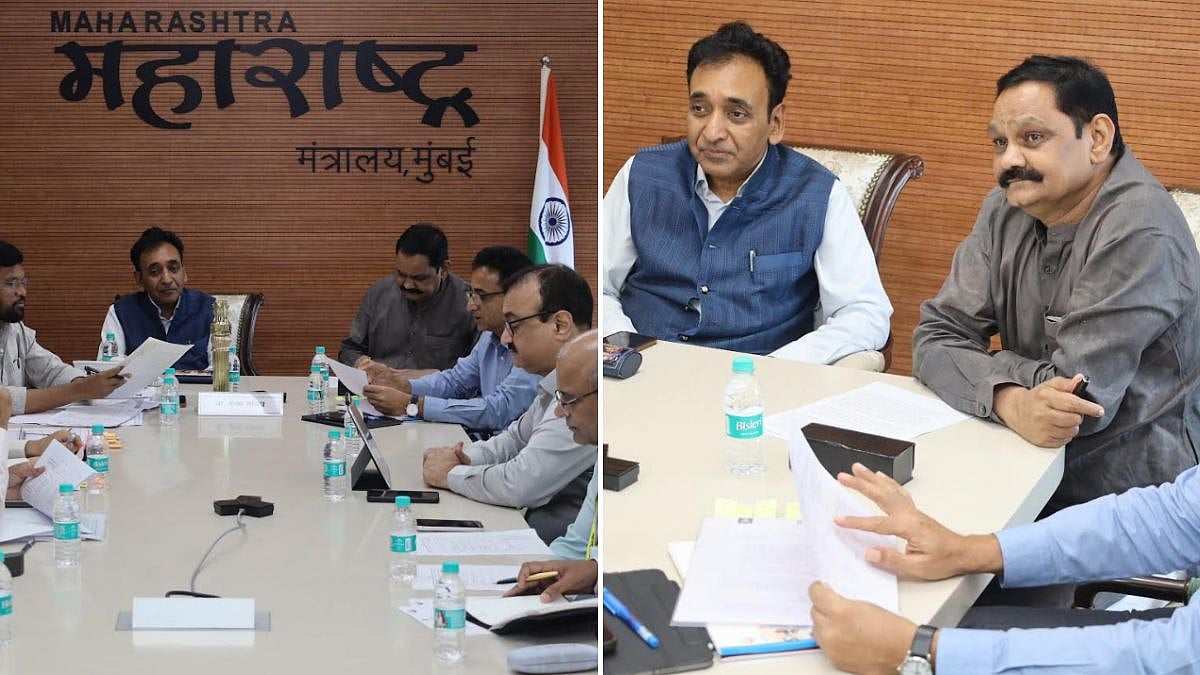
The children were asked to chant, write, listen to and visually observe the mantra simultaneously. Doshi said the study indicated an improvement in memory, while adding that further studies were underway to examine the effects of meditation and chanting on memory.
For some practitioners, however, the perceived benefits extend beyond academic performance.
Pal Jain, a commerce student, said the practice had helped her approach challenges differently. "I do not think of limitations and with a single perspective," she said.
For the foundation, this broader impact is more important than producing children with exceptional powers of recall.
"The purpose of the project is not to achieve a performance in memory but an overall well-being," said Paresh Shah, Chief Executive Officer of the Saraswati Sadhana Research Foundation.
Your voice matters. If you have a community story, issue, or inspiring local experience to share, send it to community@fpj.co.in and be a part of the conversation.
To get details on exclusive and budget-friendly property deals in Mumbai & surrounding regions, do visit: https://budgetproperties.in/

