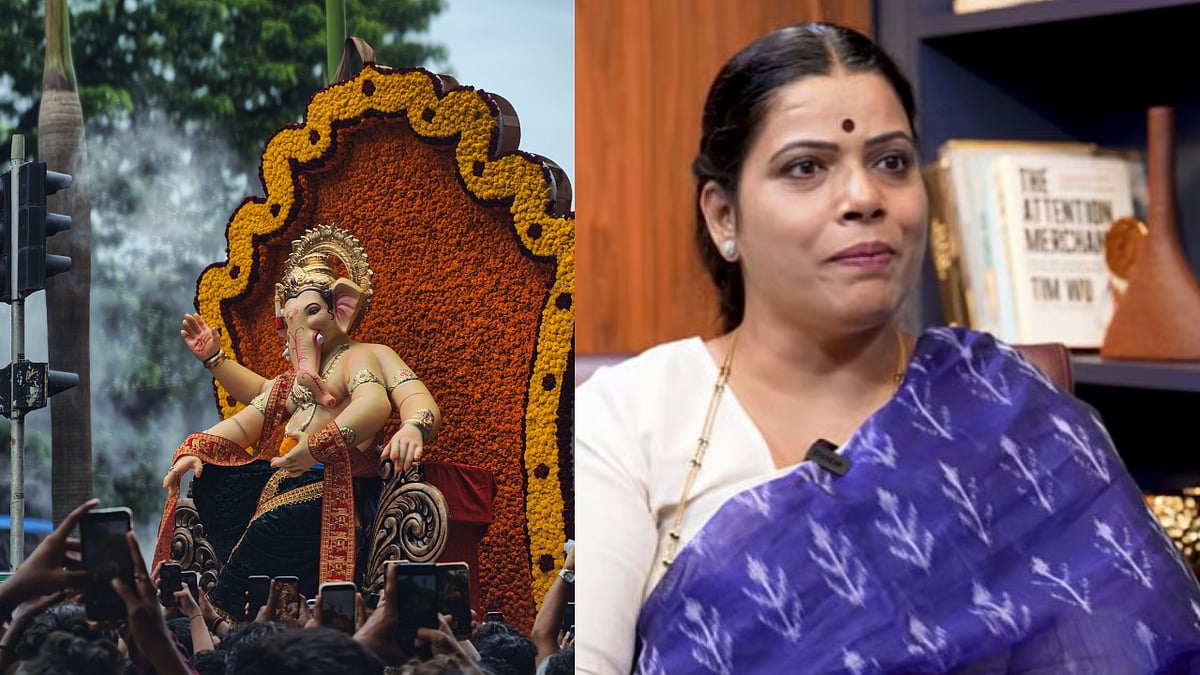
With Mumbai gearing up for Ganeshotsav 2026, the city’s first citizen is preparing to welcome Bappa at the Mumbai Mayor Ritu Tawde's bungalow for the first time in the mayoral tenure.
From using natural clay and chemical-free colours to opting for an artificial immersion pond, the focus is on celebrating the festival while protecting the environment. In an interaction, the Mayor spoke about preparations, immersion arrangements, civic measures, noise restrictions and the message for Mumbaikars.
Excerpts From The Interview
Q: The Mayor’s house hosts Bappa every year. This will be your first Ganeshotsav as the Mayor. How are preparations going?
A: Welcoming Bappa to the Mayor’s bungalow as the first citizen is a deeply spiritual, joyful and proud moment. My focus is to ensure that the mayoral celebration serves as a benchmark for the city traditional yet eco-friendly.
Q: Elaborate on the arrangements for an eco-friendly celebration.
A: The idol at the Mayor’s bungalow is sculpted from natural clay (shadu maati) and decorated with chemical-free colours. The aaras and makhar are free of thermocol and single-use plastics, using fresh flowers and reusable materials. Visarjan will be performed in an artificial pond within the Mayor’s residence. The soil and water will be reused for plants and gardens.
Q: You have inspected immersion sites across Mumbai. What instructions have you issued?
A: I inspected major natural immersion spots, including Swarajyabhoomi (Girgaon Chowpatty), Dadar, Sion and Powai Lake, as well as artificial ponds. I directed officials to ensure pothole-free routes, civic amenities, certified lifeguards and signboards showing the way to artificial ponds.
Q: What is your view on the use of DJs and loudspeakers?
A: Lokmanya Tilak pioneered Sarvajanik Ganeshotsav to unite society, foster dialogue and preserve our cultural heritage. Ear-splitting DJs, laser beams and excessive loudspeakers cause severe distress to infants, the elderly, patients and strays. The police and civic administration will enforce High Court directives.
Q: The Bombay High Court has issued strict directives regarding the ban on Plaster of Paris (PoP), prohibiting immersion in natural water bodies and requiring compliance with Central Pollution Control Board (CPCB) guidelines. What measures has the BMC implemented?
A: The BMC is committed to upholding High Court directives and CPCB guidelines. Our approach prioritises alternatives, including free natural clay (shadu maati) and colours for registered sculptors. Logistical arrangements and awareness drives will ensure all idols up to 6 feet are immersed in artificial ponds.
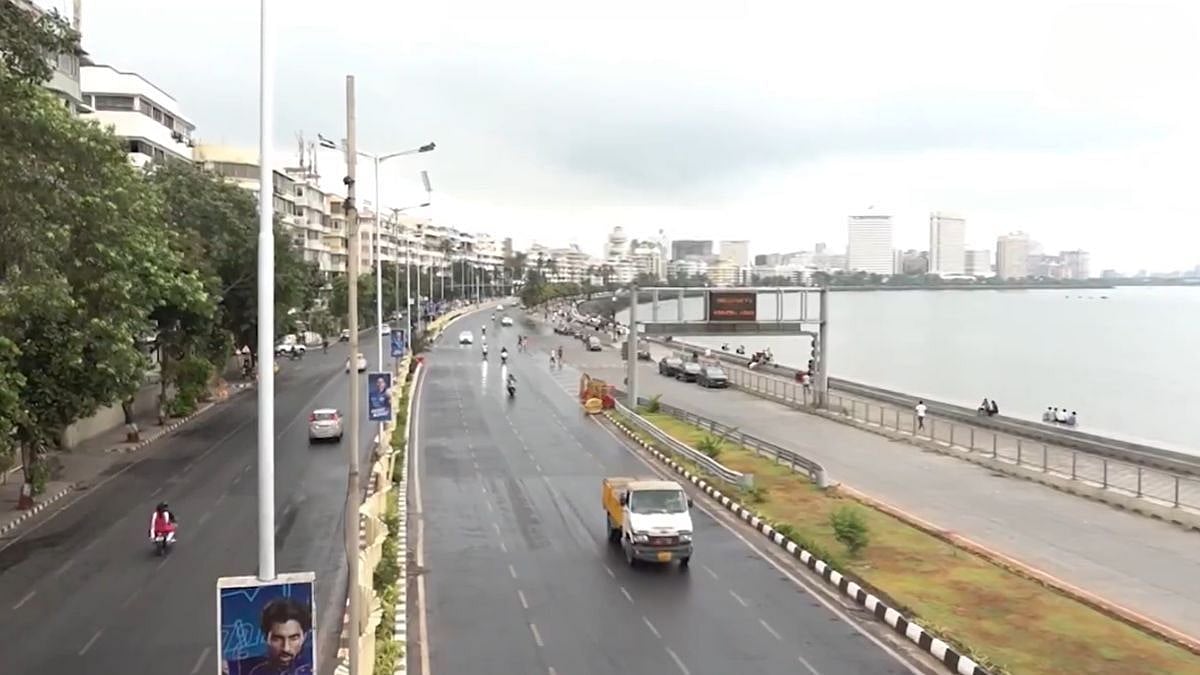
Q: How many natural immersion sites exist across Mumbai? What security arrangements have been made?
A: Mumbai has 67 designated natural immersion sites — 44 seafronts and jetties and 23 natural lakes/inland water bodies. Ramps, boardwalks and floating jetties have been installed for safe access. Hydraulic cranes are stationed at major beaches to handle large Sarvajanik idols. A high-definition CCTV network is integrated with the Mumbai Police control room.
Q: What message would you like to convey to Mumbaikars?
A: Lord Ganesha is revered as Vighnaharta, the remover of all obstacles. If we harm the natural environment amidst festive fervour, it runs contrary to Bappa’s teachings. I urge the youth to become brand ambassadors for this green festival movement.

