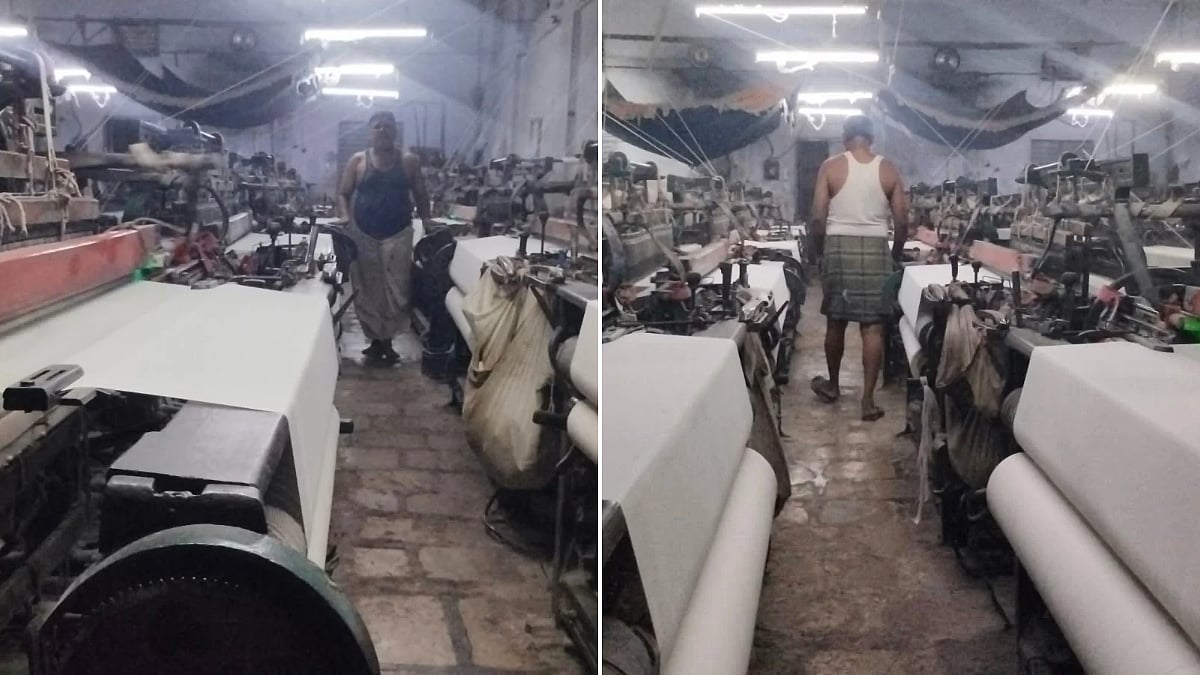
Bhiwandi, November 19, 2026: The rhythmic clatter of powerlooms that once defined Bhiwandi’s industrial landscape is gradually giving way to the silence of locked factories and dismantled machinery.
In one of India’s largest powerloom hubs, a deepening cost crisis is pushing textile entrepreneurs to reconsider whether keeping their machines running is still financially viable.
After battling prolonged market stagnation, labour shortages and stagnant job-work rates, the industry is now facing another major setback: a steep escalation in yarn prices.
Following a 60-70 per cent increase in synthetic yarn prices over the past six months, cotton yarn has also witnessed a sharp annual rise, with several varieties becoming 30 to 54 per cent more expensive between November 2025 and November 2026.
The biggest concern for manufacturers is that the rising cost of raw materials is not translating into better prices for finished fabric. With buyers continuing to demand fabric at largely unchanged rates, manufacturers are struggling to cover electricity bills, workers’ wages, maintenance expenses and other operational costs. For several small and medium-sized units, continuing production has become more expensive than shutting down.
Cotton Yarn Prices Climb Sharply In A Year
Powerloom trader Abdullah Khan said the increase in cotton yarn prices over the past year has significantly disrupted the economics of textile manufacturing.
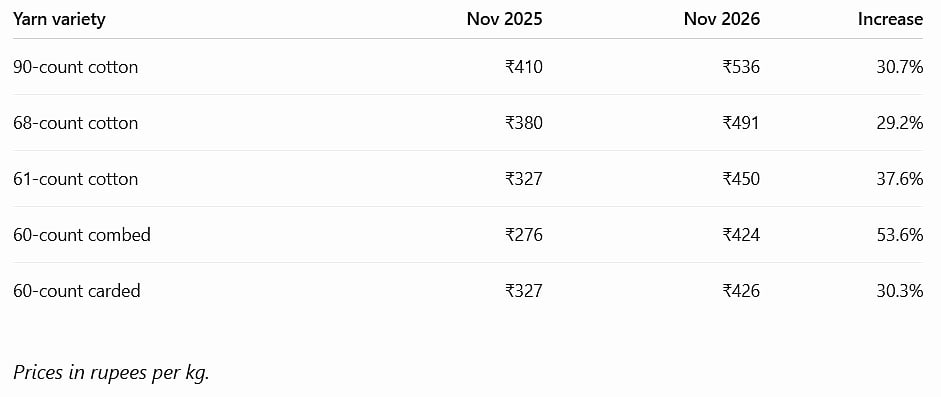
According to the price figures shared by him, 90-count cotton yarn, which was priced at Rs 410 per kg in November 2025, has risen to Rs 536 in November 2026. The price of 68-count yarn has increased from Rs 380 to Rs 491 per kg, while 61-count yarn has climbed from Rs 327 to Rs 450.
The increase has been even sharper in certain other varieties. The price of 60-count combed yarn has surged from Rs 276 to Rs 424 per kg, marking a rise of 53.6 per cent. Meanwhile, 60-count carded yarn has become 30.3 per cent more expensive, increasing from Rs 327 to Rs 426 per kg.
Khan said the industry is caught in a difficult situation, with input costs rising continuously but finished fabric prices failing to keep pace. The widening gap is squeezing profit margins and making operations increasingly unsustainable, particularly for smaller manufacturers.
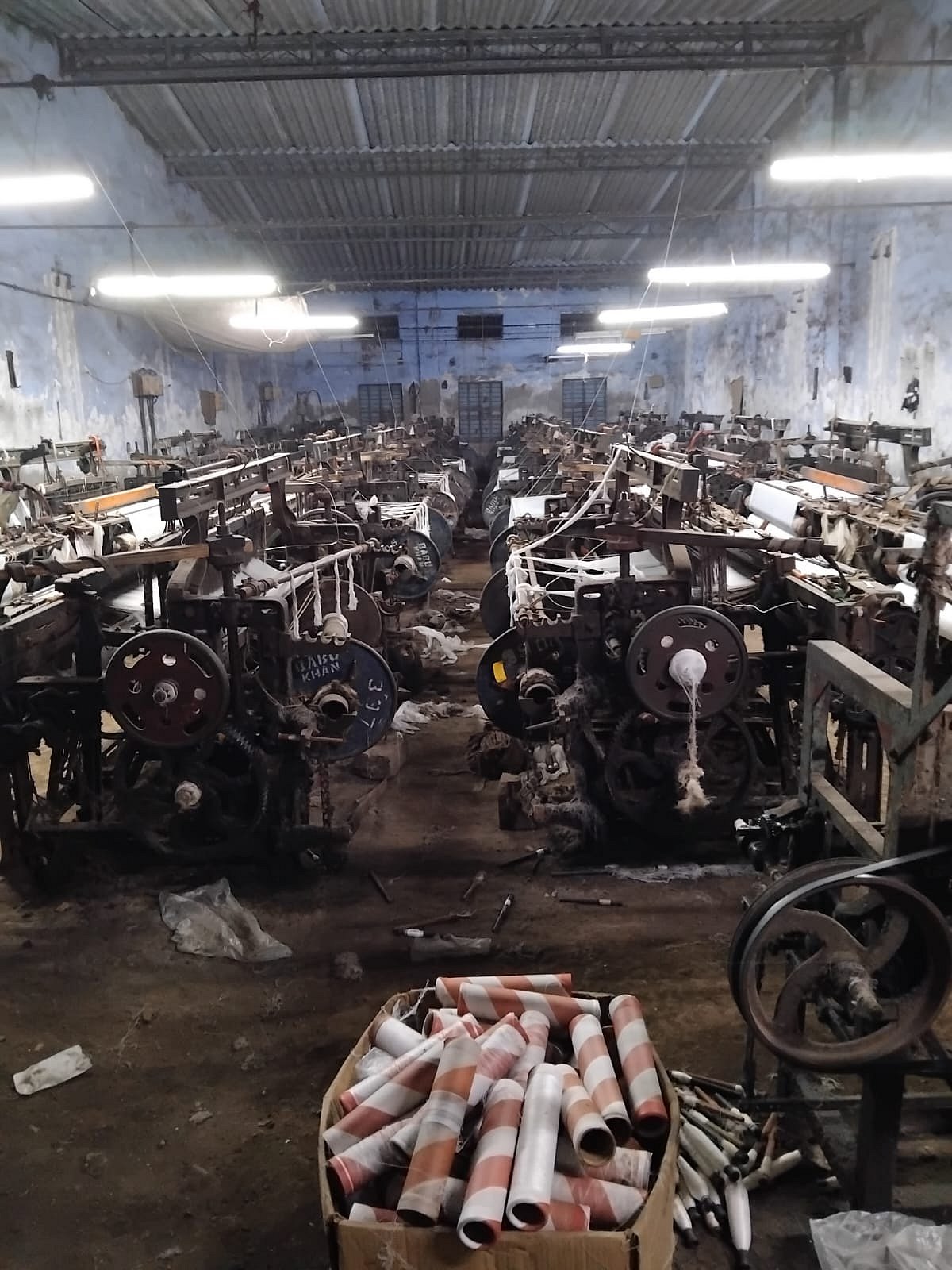
From Manufacturing Units To Scrap Yards
The crisis is now visible across industrial pockets of Bhiwandi, where some factory owners are selling their powerlooms instead of investing further in production.
Tirupati Shripuram of the Bhiwandi Powerloom Mazdoor Beam Weavers Owners Association said job-work rates have remained virtually unchanged for nearly a decade, despite substantial increases in electricity costs, labour expenses and raw material prices.
Labour availability has emerged as another major challenge. Many workers are reportedly moving away from powerloom units towards warehouses, where employment opportunities are considered more attractive.
Shripuram said machines are being sold at scrap prices on a daily basis. With several traditional textile units struggling to remain operational, garment, footwear and embroidery businesses relocating from Mumbai’s Dharavi are increasingly finding vacant factories in Bhiwandi suitable for rental use.
For factory owners, leasing out unused premises has become an alternative source of income. However, the trend also highlights the gradual shift away from the city's traditional powerloom-based industrial identity.
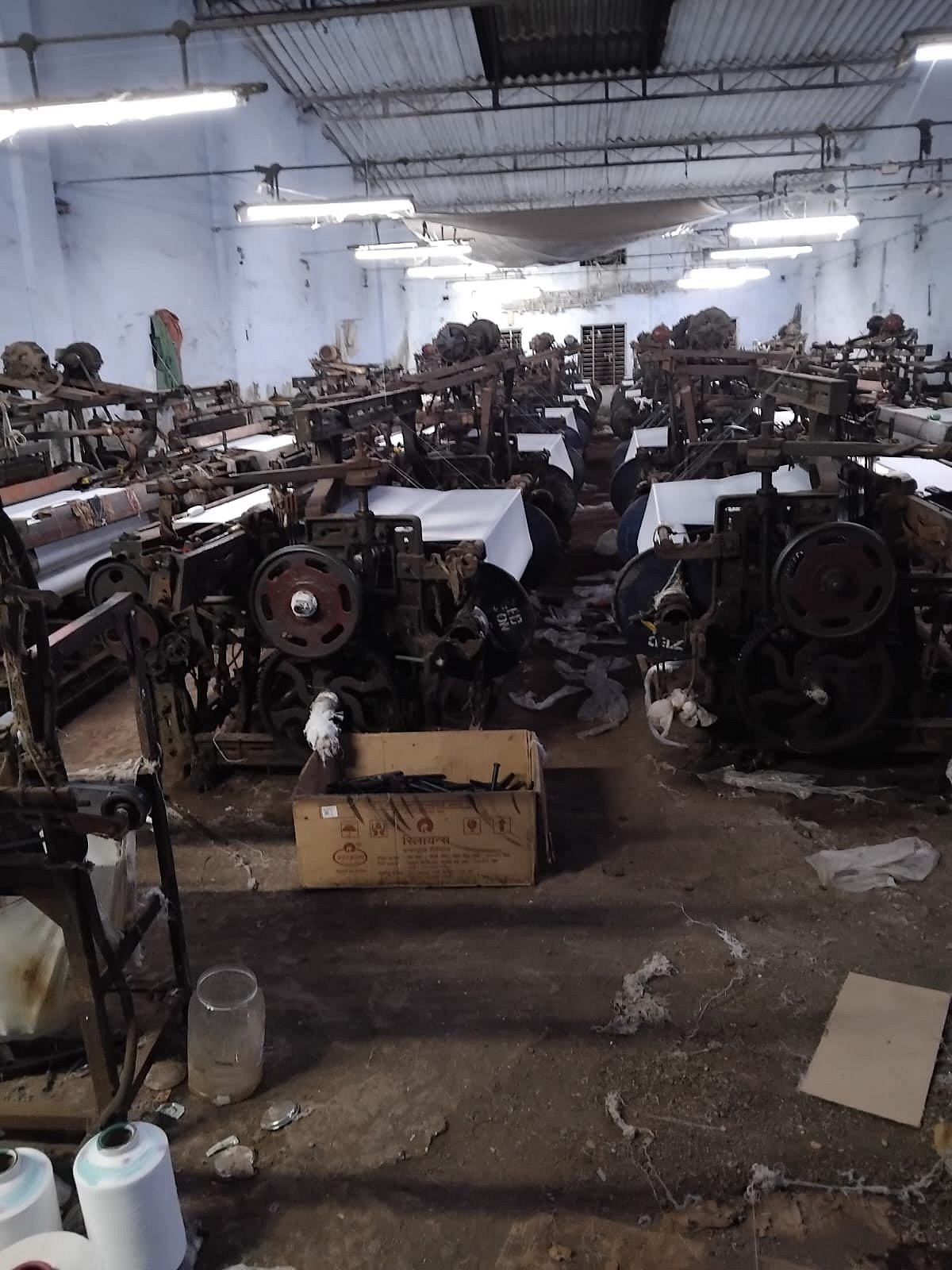
400 Looms Shut, Another 96 Marked For Sale
The extent of the crisis is reflected in the decisions taken by individual manufacturers.
Sarfaraz Shaikh, owner of SR Gold Textile, shut down all 400 of his powerlooms in the Khadi Par area three days ago for an indefinite period. The decision followed a lack of buyers in the market and the accumulation of unsold grey fabric stock.
In another instance, Danish Abdul Kavi Khan, a powerloom factory owner from Nagaon, has decided to sell 96 machines operating across his four factories.
Similarly, Ayaz Shaikh, a businessman from Khan Compound, has already shut down one of his factories and sold its machinery as scrap. The premises have subsequently been rented out to a garment business.
These cases underline how manufacturers who once invested in expanding their production capacity are now being forced to liquidate machinery to limit further losses.
Crisis Spreads Beyond Powerloom Units
The disruption is no longer confined to weaving units. The pressure has extended to other segments of Bhiwandi's textile supply chain, including sizing, beaming and jacquard operations.
Sizing units had announced an indefinite shutdown from November 8, with operations resuming on November 16. However, an increase of Rs 11-14 per kg in beaming charges is expected to add further pressure to manufacturing costs.
Jacquard powerloom operators have also shut their units in protest against inadequate job-work rates that do not adequately cover production expenses. The developments indicate that the crisis is affecting multiple interconnected segments of the textile industry, making recovery increasingly difficult.
Industrial Identity Faces Gradual Transformation
The scale of the decline becomes more apparent when compared with the industry's earlier capacity. According to information published in February 2026, citing a report by the National Institute for Micro, Small and Medium Enterprises (NI-MSME), Bhiwandi once had approximately 12 lakh powerloom machines, generating an annual business estimated at around Rs 10,000 crore.
The number of operational machines has since fallen to fewer than four lakh, amid the combined impact of demonetisation, GST-related disruptions, rising electricity costs and changing market conditions. Estimates may vary across industry organisations, but the decline in operating units reflects the sector's prolonged difficulties.
Industry representatives are demanding measures to stabilise yarn prices, provide affordable electricity, improve access to bank credit and support the modernisation of machinery.
For now, renting out factories to businesses shifting from Dharavi may provide some financial relief to struggling owners. But if the trend continues, Bhiwandi could gradually witness a transformation from a traditional powerloom centre into a hub dominated by warehouses, garment units and other commercial activities.
Also Watch:

Cotton Yarn Prices: November 2025 Vs November 2026
To get details on exclusive and budget-friendly property deals in Mumbai & surrounding regions, do visit: https://budgetproperties.in/

