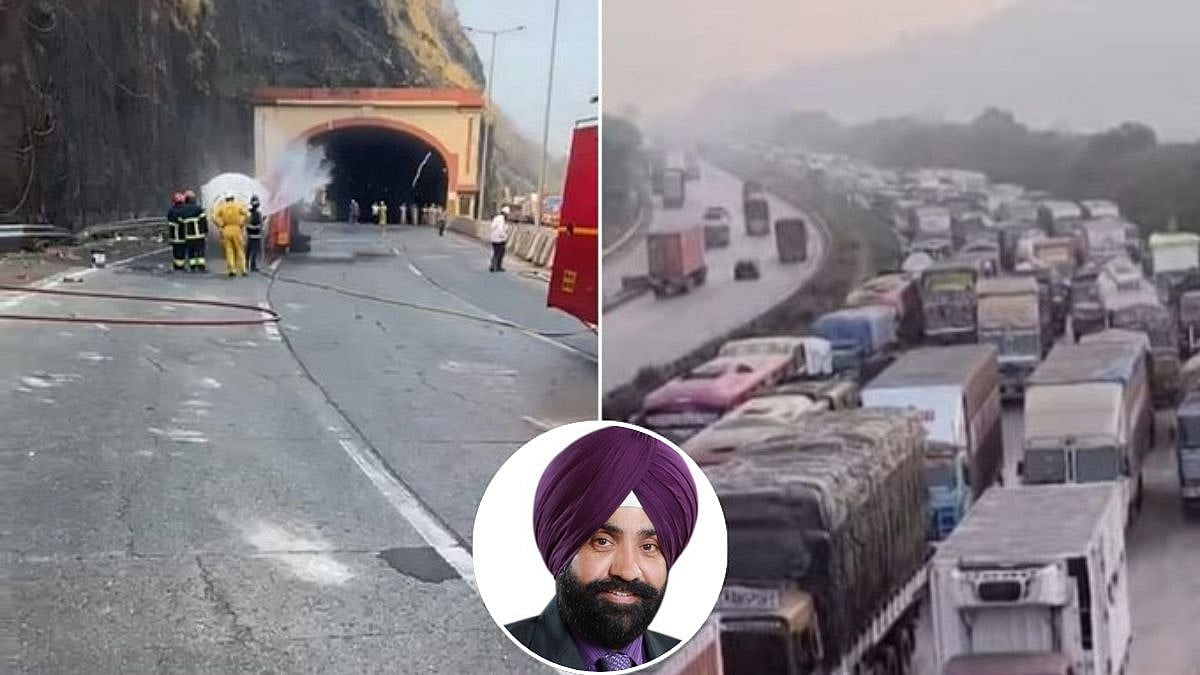
Mumbai, Feb 05: The Mumbai–Pune Expressway witnessed a mega traffic jam lasting over 24 hours on Wednesday following an accident involving a BPCL gas tanker. Thousands of people, stuck in cars and buses, had a harrowing experience.
In this context, S. Balakrishnan spoke to Malkit Singh Bal, advisor and former president of the All India Motor Transport Congress, the largest body of transporters in the country. Excerpts from the interview:
What, according to you, was the cause of the propylene tanker accident on the Pune Expressway yesterday?
The accident occurred at a location that is already identified as a black spot and accident-prone zone. There is a sharp curve at this particular stretch, and while negotiating the turn, the tanker overturned.
Despite the prescribed speed limit of around 48 kmph, such curves remain risky for heavy and hazardous cargo vehicles due to road geometry and design limitations. The spot itself needs urgent corrective engineering measures.
Was it avoidable?
Transporters and drivers strictly follow all prescribed safety norms and precautionary measures while carrying hazardous cargo. However, better road design, improved banking at curves, and re-engineering of known black spots could have significantly reduced the risk. With proper infrastructure correction, such accidents can be avoided.
It took more than 24 hours for the authorities to tackle the situation. Would you say the government is ill-equipped to handle such crises?
The incident has clearly exposed the lack of preparedness and emergency response infrastructure. Even after almost 26 hours, normalcy was not restored, leading to massive inconvenience and economic losses.
Movement of perishable goods, raw materials, and finished products was badly affected, disrupting time-bound deliveries and causing serious financial losses to industries. Drivers and transport operators suffered due to prolonged vehicle detention.
Despite paying heavy toll charges and multiple taxes, the transport sector continues to suffer due to inadequate emergency mechanisms. MSRDC and agencies concerned must urgently strengthen infrastructure, equipment availability, and contingency planning.
Is there a protocol for transportation of such highly inflammable gases? If yes, what are its highlights?
Yes, there are well-defined and strict protocols in place:
• Licences issued by the Explosives Department (PESO)
• Compliance with Government of India guidelines
• Mandatory vehicle fitness and safety certifications
• Specialised driver training for hazardous goods
• Clear instructions and SOPs issued by the consignor companies
All these protocols are strictly followed by transporters while moving hazardous products.
Is it not better to transport such gases through underground pipelines than through tankers?
Wherever there is large and continuous demand, such as LPG, pipelines are already in place and the government is steadily expanding this network.
However, for low-volume or scattered demand gases, pipelines are commercially unviable and door-to-door delivery through tankers becomes necessary. This is the globally accepted practice, and such accidents are extremely rare — rarest of rare.
Shouldn’t obstructing vehicles be cleared by lifting through helicopters as is done in developed countries?
This again links back to the lack of preparedness and infrastructure, as highlighted earlier. Advanced equipment, including heavy-lift mechanisms and quicker clearance systems, should be planned and deployed, especially on critical corridors like the Mumbai–Pune Expressway.
Has your association given suggestions to the government for safe transportation of hazardous chemicals and gases?
Yes, on multiple occasions, during meetings with authorities, our association has highlighted:
• The need for specialised emergency response infrastructure
• Availability of firefighting equipment along National and State Highways
• Faster clearance mechanisms and trained emergency teams
Also Watch:
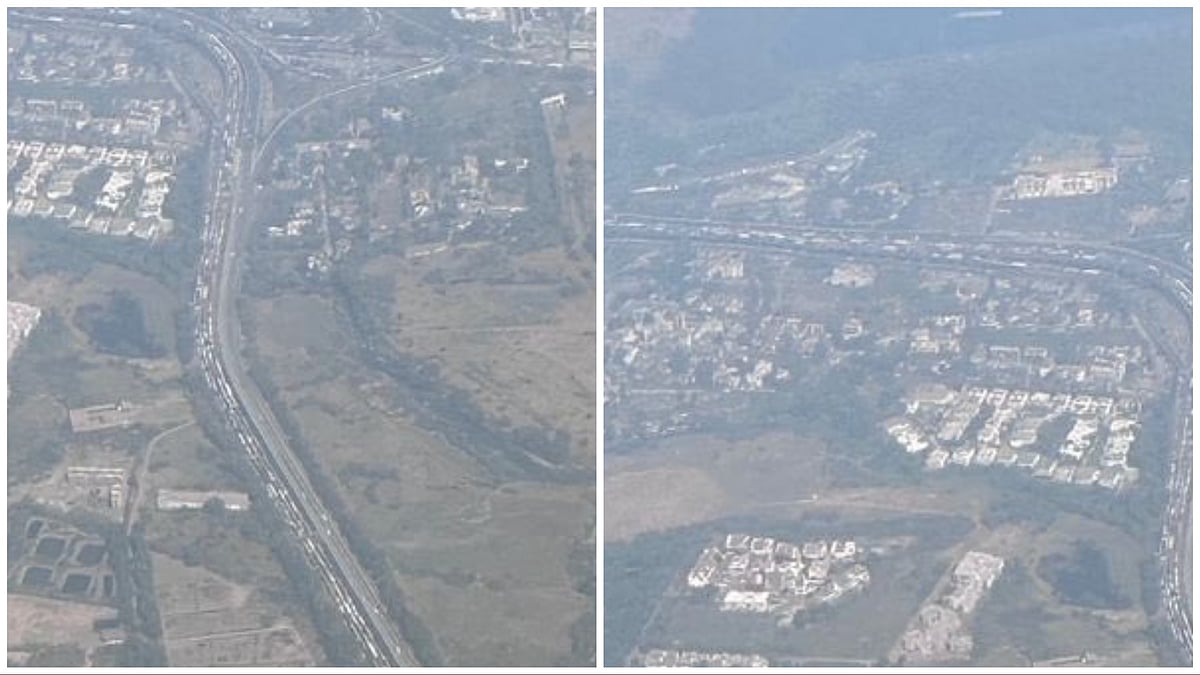
Unfortunately, the absence of such facilities was evident in this incident, where normalcy was restored only after nearly 36 hours. We hope the authorities now implement the corrective measures already suggested to prevent recurrence.
(Disclaimer: Except for the headline, this article has not been edited by FPJ's editorial team and is auto-generated from an agency feed.)

