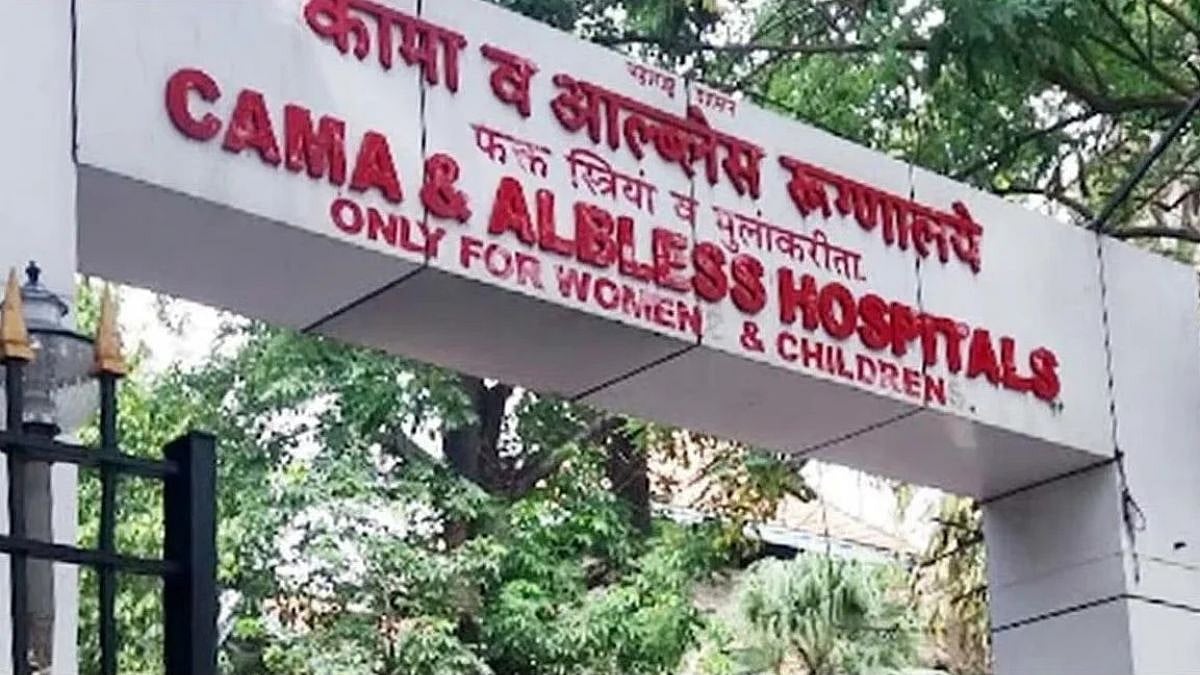
Mumbai, Dec 22: Early diagnosis, strict antenatal monitoring and timely referral to tertiary care centres can significantly reduce complications associated with hypertensive disorders of pregnancy (HDP), a six-month study conducted at Mumbai’s Cama and Albless Hospital has found.
The study concludes that prompt, protocol-based management can effectively minimise adverse maternal and neonatal outcomes, even as hypertension continues to pose a major risk during pregnancy.
HDP Remains Major Cause Of Maternal And Perinatal Risk
Hypertensive disorders of pregnancy remain among the leading causes of maternal and perinatal morbidity and mortality worldwide, particularly in developing countries like India.
Affecting nearly 5–10% of all pregnancies, HDP includes gestational hypertension, preeclampsia, eclampsia, chronic hypertension and chronic hypertension with superimposed preeclampsia.
The retrospective observational study, carried out by the Department of Obstetrics and Gynecology between June and November 2025, aimed to analyse the clinical profile of HDP and evaluate related maternal and fetal outcomes.
Profile Of Patients And Disease Patterns
The study reviewed data from 30 pregnant women diagnosed with hypertension after 20 weeks of gestation. Most patients were in the 25–34 years age group, while 40% were primigravidae, reaffirming earlier evidence that first-time pregnancies carry a higher risk.
Gestational hypertension emerged as the most common diagnosis, accounting for 63.3% of cases, followed by preeclampsia (16.7%) and eclampsia (3.3%). Severe disease was more frequently observed in women above 35 years of age.
High Cesarean Rate Reflects Need For Timely Intervention
Obstetric outcomes indicated a high rate of operative intervention, with cesarean section performed in 86.7% of cases, highlighting the need for timely termination of pregnancy to protect both maternal and fetal health. Vaginal delivery was possible in only 13.3% of women.
Nearly half of the patients were admitted between 34 and 36 weeks of gestation, while 30% presented before 34 weeks—a period often associated with severe disease and increased neonatal risk.
Favourable Neonatal Outcomes Despite Risks
Despite these challenges, fetal outcomes were largely favourable due to close surveillance and early intervention. While 36.7% of newborns had low birth weight, none weighed less than 1,500 grams. Notably, there were no stillbirths or neonatal deaths during the study period.
NICU admission was required for 16.7% of neonates, mainly due to low birth weight and transient complications. There were no cases of intrauterine growth restriction or need for neonatal resuscitation.
No Major Maternal Complications Reported
Maternal outcomes were equally encouraging, with no maternal deaths or major complications reported. Experts stress that strengthening antenatal care services, promoting early pregnancy registration, ensuring regular blood pressure monitoring and timely referral of high-risk cases to tertiary centres are crucial to reducing the burden of hypertensive disorders of pregnancy and improving fetomaternal outcomes.
Expert Emphasises Preventive Care And Lifestyle Measures
Dr Tushar Palve, Superintendent of Cama and Albless Hospital, emphasised the role of preventive care and lifestyle modification. “Preventing hypertension during pregnancy requires a balanced lifestyle and regular medical monitoring. Staying physically active through safe exercises like walking or prenatal yoga, eating a nutritious diet rich in whole foods, fruits and vegetables, managing stress through relaxation techniques, and ensuring adequate sleep all play a key role. Regular blood pressure check-ups, limiting salt intake, staying well hydrated, and completely avoiding smoking and alcohol are essential steps to safeguard the health of both mother and baby,” he said.
Amit-Early diagnosis, strict antenatal monitoring and timely referral can significantly reduce complications from hypertensive disorders of pregnancy (HDP), a study at Mumbai’s Cama and Albless Hospital has found.
Also Watch:
Analysing 30 cases, researchers observed favourable maternal and neonatal outcomes with protocol-based care, despite high cesarean rates. Experts stress regular blood pressure monitoring, early registration, lifestyle modification and timely intervention to curb maternal and neonatal risks.
To get details on exclusive and budget-friendly property deals in Mumbai & surrounding regions, do visit: https://budgetproperties.in/

