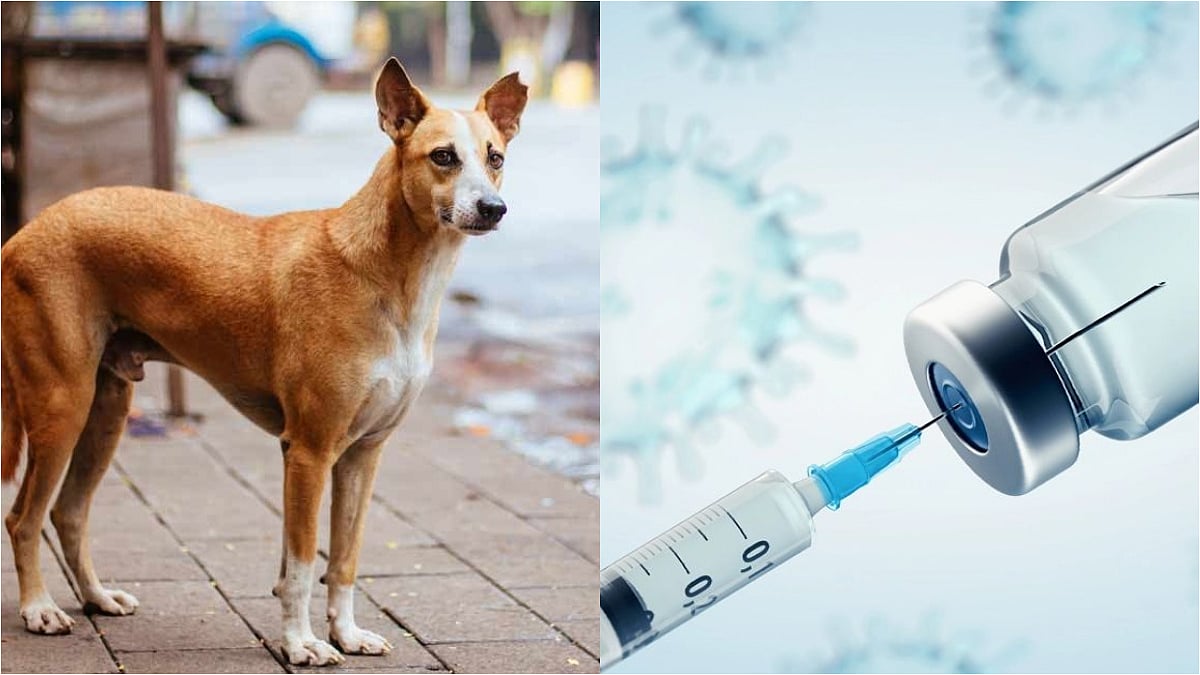
Mumbai: Health experts have advised individuals who received anti-rabies vaccination following animal bites or scratches since November 2023 to consult their doctors, amid concerns about a counterfeit rabies vaccine circulating in India. The advisory primarily applies to those who were administered a specific brand of vaccine, particularly if the batch number is unknown or matches one flagged by authorities.
The warning follows a statement issued on December 19 by Australia’s Technical Advisory Group on Immunisation (ATAGI), which alerted healthcare providers to a suspected fake rabies vaccine. ATAGI said the counterfeit product differed from the registered vaccine in its formulation, packaging, labelling, and manufacturing standards. It cautioned that people who received the fake vaccine may not be adequately protected against rabies and should consider revaccination.
ATAGI also advised individuals whose vaccine brand or batch details are unknown to seek medical advice to determine whether replacement doses are required.
Dr Aniket Mule, consultant in internal medicine at KIMS Hospitals, Thane, said anyone who received an anti-rabies vaccine between November 2023 and January 2025—especially those unsure about the vaccine’s authenticity or batch number—should consult a qualified doctor.

“There is no need to panic, but rabies is fatal once symptoms appear, so prevention is crucial,” Dr Mule said. “A doctor will assess the nature of exposure—whether it was a bite, scratch, or lick on broken skin—whether rabies immunoglobulin (RIG) was administered, the vaccination schedule followed, and the availability of authentic vaccine records.”
The issue drew wider attention after Dr Sivaranjani Santosh, a Hyderabad-based paediatrician, flagged the concern on social media. She advised individuals vaccinated with the brand under question between November 2023 and January 2025 to consult their doctors, noting that some may require repeat vaccination as a precaution. The counterfeit doses were reportedly withdrawn from circulation earlier this year.
However, experts emphasised that revaccination is not required for everyone. According to Dr Sivaranjani, individuals who can confirm they received other approved rabies vaccines—such as Vaxirab-N, Rabivax-S, Lyssavac, Vaxirab, or Indirab—do not need repeat doses. Veterinary professionals and animal rescuers who received pre-exposure prophylaxis also do not require revaccination if their rabies antibody levels are at or above 0.5 IU/mL.
Dr Mule explained that rabies has a variable incubation period, typically ranging from two weeks to three months, though it can be longer depending on the site and severity of the bite. “Once symptoms such as fever, hydrophobia, confusion, or paralysis appear, the disease is almost always fatal,” he said, underscoring the importance of timely post-exposure vaccination.

In January 2025, the vaccine manufacturer acknowledged an isolated case of non-original packaging involving a specific batch. The company said it informed regulators, filed a complaint, and cooperated with law enforcement, adding that no other counterfeit batches were identified and that the vaccine has a strong global safety record.
To get details on exclusive and budget-friendly property deals in Mumbai & surrounding regions, do visit: https://budgetproperties.in/

