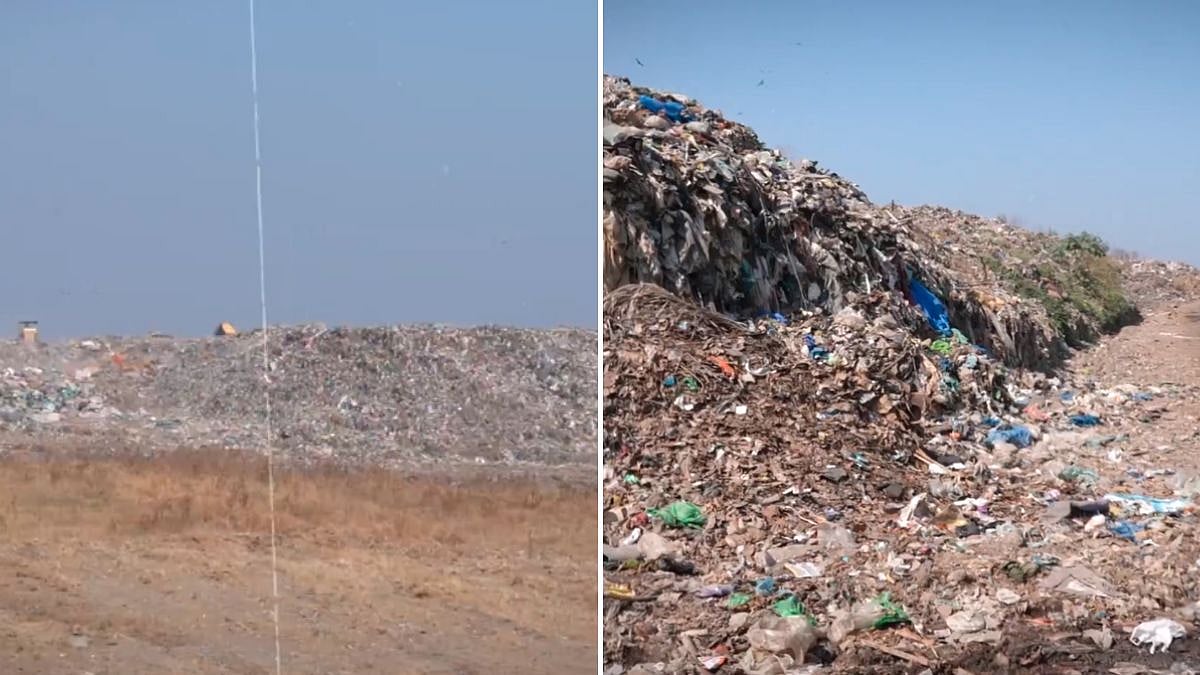
Mumbai’s largest and oldest landfill, the Deonar dumping ground, has symbolized urban neglect since 1927. Established during the British era, it sprawls across hundreds of acres in the eastern suburbs, burdening nearby neighbourhoods with toxic air, recurring fires, and chronic health problems. Methane emissions from decomposing waste frequently ignite, creating towering smoke clouds that blanket Govandi, Shivaji Nagar, and surrounding areas, exposing residents to respiratory diseases and reinforcing deep environmental injustice.
Bio-remediation Project Marks a Critical Turning Point for Deonar
Today, Deonar is at a critical turning point. A large-scale bio-remediation project is underway to scientifically process decades of accumulated legacy waste and reclaim the land for productive urban use. The objective is not merely to clear garbage, but to detoxify the soil, control gas emissions, and transform the dumping yard into a safe, ecologically viable, and habitable space.
This approach is neither experimental nor unprecedented. Across the world, former waste disposal sites have been converted into urban forests, green parks, wetlands, solar power zones, and recreational spaces. Indian cities offer compelling examples as well. Indore and Bhopal have successfully transformed old dumping yards into green public parks. Ahmedabad’s Pirana landfill is currently undergoing bio-remediation, while Hyderabad has operational waste-to-energy plants that convert garbage into power. These precedents demonstrate that degraded land can be restored with scientific planning and political will.
Vision for Deonar Includes Green Spaces, Housing and Energy Facilities
Urban planners now envision Deonar’s future as a multi-use zone combining urban forests and green buffers, affordable housing, health and community infrastructure, waste-to-energy facilities, and climate-resilient open spaces. For Mumbai, where over 7,000 tonnes of waste are generated daily, and land scarcity is acute, such reclamation is vital for long-term urban survival.

The transformation of Deonar holds particular significance for projects like the Dharavi Redevelopment, where the challenge of resettling thousands of families with dignity and adequate infrastructure remains central. A reclaimed Deonarcan provide land for planned housing, healthier living conditions, and new employment opportunities, helping marginalized communities transition from hazardous environments to equal urban citizenship.
However, success depends on more than tenders and paperwork. Transparency, continuous scientific monitoring, and meaningful participation of local communities are essential. Now is the time for city authorities, planners, and citizens to demand and drive an accountable, science-based transformation of Deonar. Deonar’s rebirth can become a global model for ecological renewal and urban justice—and demonstrate Mumbai’s commitment to a sustainable and inclusive future.
To get details on exclusive and budget-friendly property deals in Mumbai & surrounding regions, do visit: https://budgetproperties.in/

