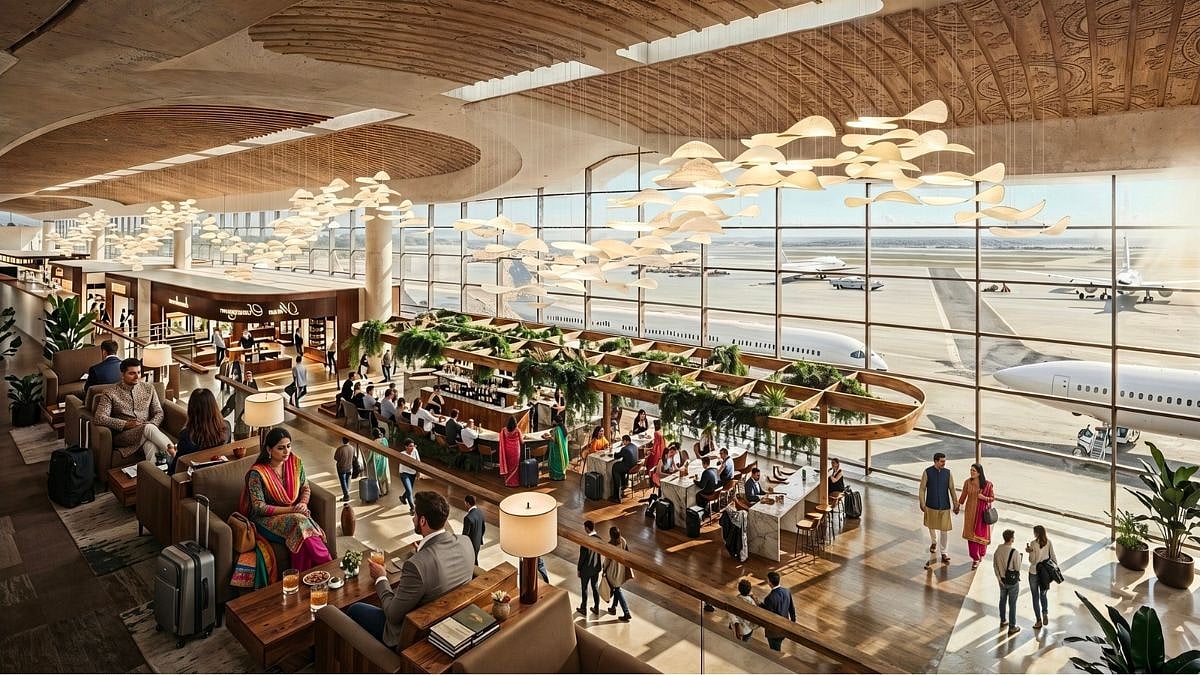
Mumbai, October 29, 2026: Chhatrapati Shivaji Maharaj International Airport (CSMIA) operator Mumbai International Airport Limited (MIAL) has unveiled a comprehensive, multi-phase redevelopment plan for its ageing Terminal-1 (T-1). The ambitious overhaul promises a dramatic expansion of processing infrastructure, including a 3.5-times increase in contact stands and a 47 per cent increase in check-in counters.
The plan was shared at the stakeholders’ meeting held on Wednesday after the Mumbai Airport’s Airline Operators Committee (AOC) called for operational clarity on crucial demand-capacity and traffic redistribution data before execution begins.
Among other demands were comprehensive capacity and demand projections and the T-1 redevelopment plan, outlining the complete scope, phasing schedule, project timelines and precise strategy for accommodating affected traffic.
According to the new master plan accessed by The Free Press Journal, T-1 will undergo a sweeping capacity and hardware overhaul. Annual passenger capacity will expand by 33 per cent, rising from the current 15 million passengers per annum (MPPA) to 20 MPPA.
The most significant physical upgrade is a 257 per cent increase in contact aircraft stands, expanding 3.5 times from 7 to 25 stands, which will drastically reduce busing to remote bays.
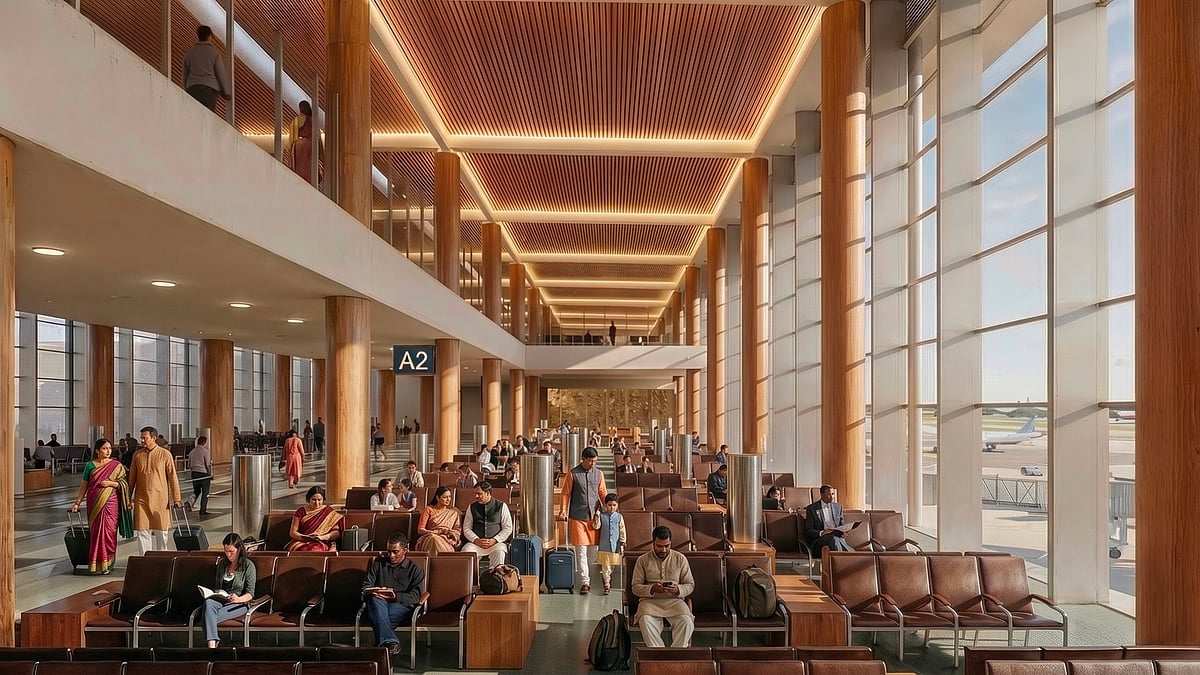
Passenger processing capacity will also see sharp upgrades across all major touchpoints. Check-in counters will increase by 47 per cent, growing from 74 to 109 counters. Traditional boarding gates are being replaced entirely by 12 e-Gates.
To ease security congestion, screening lanes will expand by 150 per cent, a 2.5-times increase, from 8 lanes to 20 total lanes, consisting of 15 dedicated passenger lanes and 5 transfer lanes. Similarly, baggage reclaim capacity will more than double, with a 2.2-times increase, growing from 5 to 11 operational belts.
Multi-Year Construction Schedule
MIAL has mapped out a phased, multi-year construction schedule starting in late 2026. The initial phase begins between October and November 2026 with the onboarding of a specialised demolition consultant.
Between December 2026 and March 2027, ground teams will vacate and decommission Security Hold Area 1 (SHA-1) and the Baggage Handling Area (BMA).
In parallel, MIAL will onboard a T-1 design consultant between December 2026 and January 2027, followed by an intensive detailed design and planning phase running from February 2027 through July 2028.
Actual physical demolition will occur in two stages, with Phase 1 demolition scheduled from April to October 2027, followed immediately by Phase 2 demolition from October 2027 to March 2028.
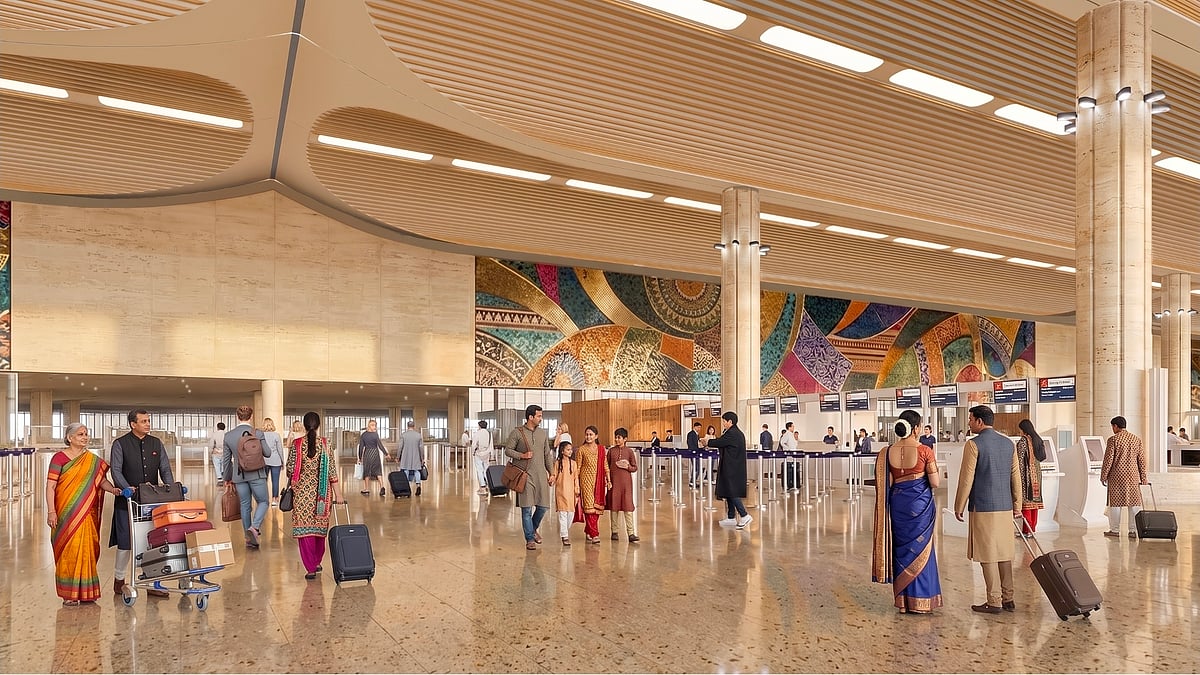
To compensate for reduced terminal capacity during this teardown, MIAL will build and open T-2's new North-West Pier between January 2027 and March 2029. Construction of the main new T-1 facility will commence in April 2028, leading up to full terminal completion and commissioning in December 2030.
MMR Airport Capacity During Redevelopment
To manage the temporary loss of terminal space at CSMIA, regional aviation capacity across the Mumbai Metropolitan Region (MMR) will be balanced alongside the newly opened Navi Mumbai International Airport (NMIA). At the project's launch in November 2026, baseline MMR capacity will stand at 75 MPPA, driven by 55 MPPA at CSMIA and 20 MPPA at NMIA.
As Phase 1 demolition gets underway in April 2027, CSMIA’s operational capacity will step down to 50 MPPA, reducing the MMR total to 70 MPPA, and will hit its lowest bottleneck of 40 MPPA in October 2027 during peak Phase 2 demolition, bringing temporary MMR capacity to 60 MPPA.
Capacity will begin recovering in March 2029 as CSMIA rebounds to 45 MPPA upon completion of the T-2 North-West Pier, bringing regional capacity to 65 MPPA. Once the new T-1 opens in December 2030, CSMIA’s individual terminal network will handle 65 MPPA, bringing total MMR capacity to an unprecedented 85 MPPA.
Also Watch:
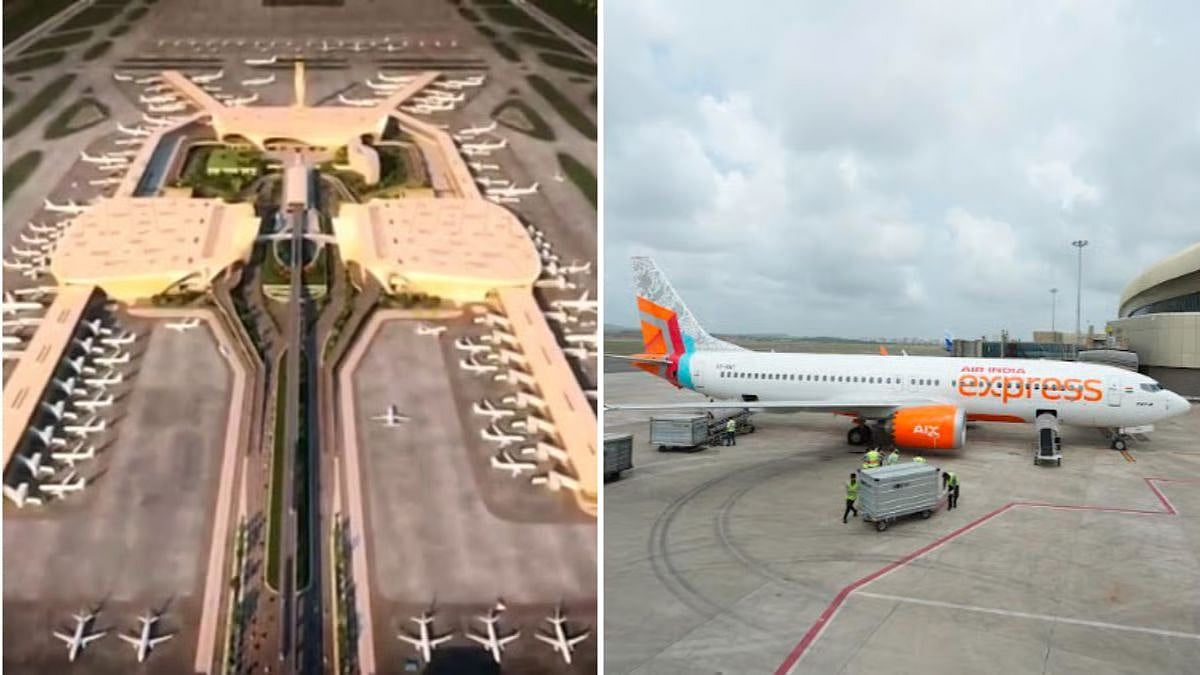
Decades-Old Terminal Faces Overhaul
The redevelopment comes after nearly a decade of delays. Originally commissioned in 1964 with a rated capacity of 15 MPPA, T-1 has long struggled under heavy domestic passenger loads.
Despite structural audit reports flagging severe vulnerabilities, first raised by consultancy Structwel in 2017 and reaffirmed by IIT Bombay in 2024, large portions of T-1’s ageing infrastructure have remained operational.
To get details on exclusive and budget-friendly property deals in Mumbai & surrounding regions, do visit: https://budgetproperties.in/

