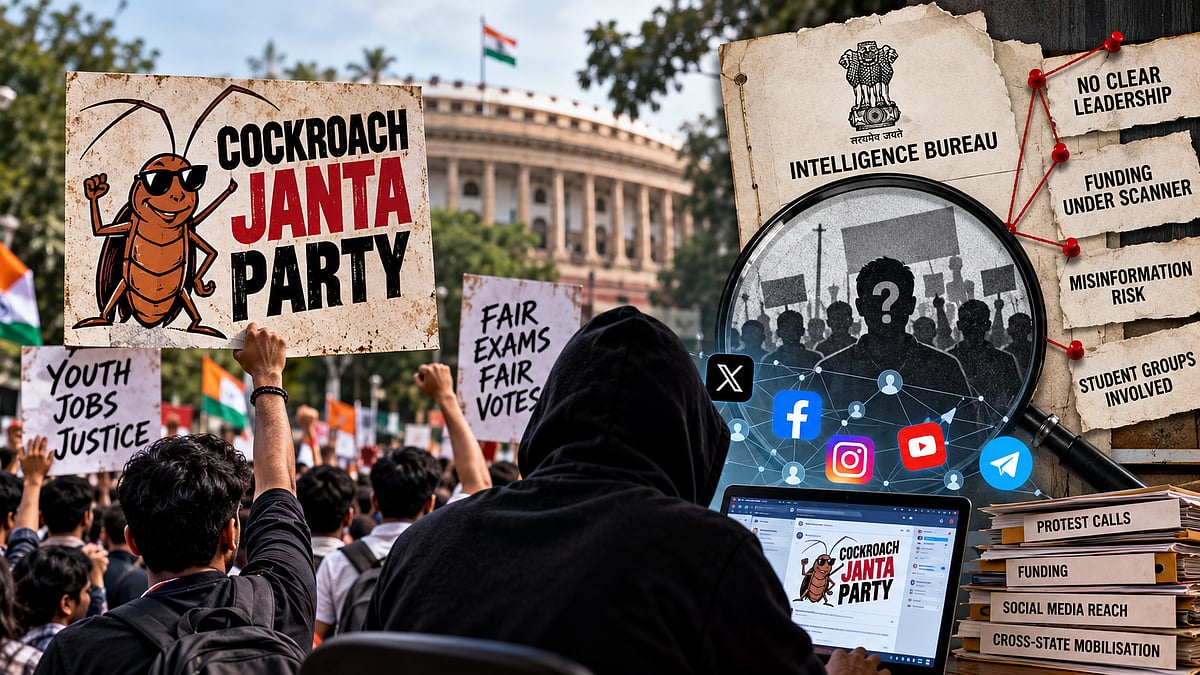
Mumbai: An internet-driven movement with no clear leadership or chain of command is testing the ability of security agencies to identify protest organisers, trace funding and establish accountability with the Cockroach Janta Party (CJP) drawing scrutiny in an intelligence assessment.
Decentralised Structure Raises Concerns
At a recent intelligence briefing, officials cautioned that CJP’s online reach and lack of centralised leadership could allow individuals or groups operating independently to use the movement as a platform to further their own interests.
“In its assessment the agency has flagged concerns over the fragmented fundraising, cash transactions and material donations. These informal arrangements could complicate efforts to verify the source and use of funds collected in the movement’s name, while creating scope for unauthorised individuals to solicit donations without the knowledge or approval of protest organisers,” it was reliably learnt from the officials.
IB Flags Potential Security Risks
The IB in its assessment report has categorically flagged concerns that CJP’s growing digital reach and decentralised structure could be exploited to spread misinformation, facilitate unlawful activities or aggravate social tensions. “While social media has enabled rapid mobilisation, the absence of a clear chain of command makes it difficult to identify those coordinating demonstrations and establish whether they are authorised to represent the movement,” the report mentions.
The participation of student organisations, including the All India Students’ Association (AISA) and the All India Students’ Federation (AISF), along with students from colleges, has also been noted. Their involvement indicates that the agitation has attracted sections of the student community beyond its initial organisational base, potentially widening the scale and geographical spread of demonstrations.
Rapid Mobilisation Challenges Police Preparedness
With no proper head and tail to tap and trace, the agency is of the opinion that, “Rapid circulation of protest calls and provocative content could trigger simultaneous mobilisation across multiple states, districts and cities at short notice, leaving local law-enforcement agencies with limited time to assess gatherings, identify organisers and establish the roles and intentions of participants. The varied backgrounds and affiliations of those involved further complicate efforts to assess developments on the ground.”
The intel assessment has called for continued monitoring and coordination among security agencies to identify potential attempts to exploit the agitation, while distinguishing legitimate protest and political dissent from activities supported by verifiable evidence of unlawful conduct.
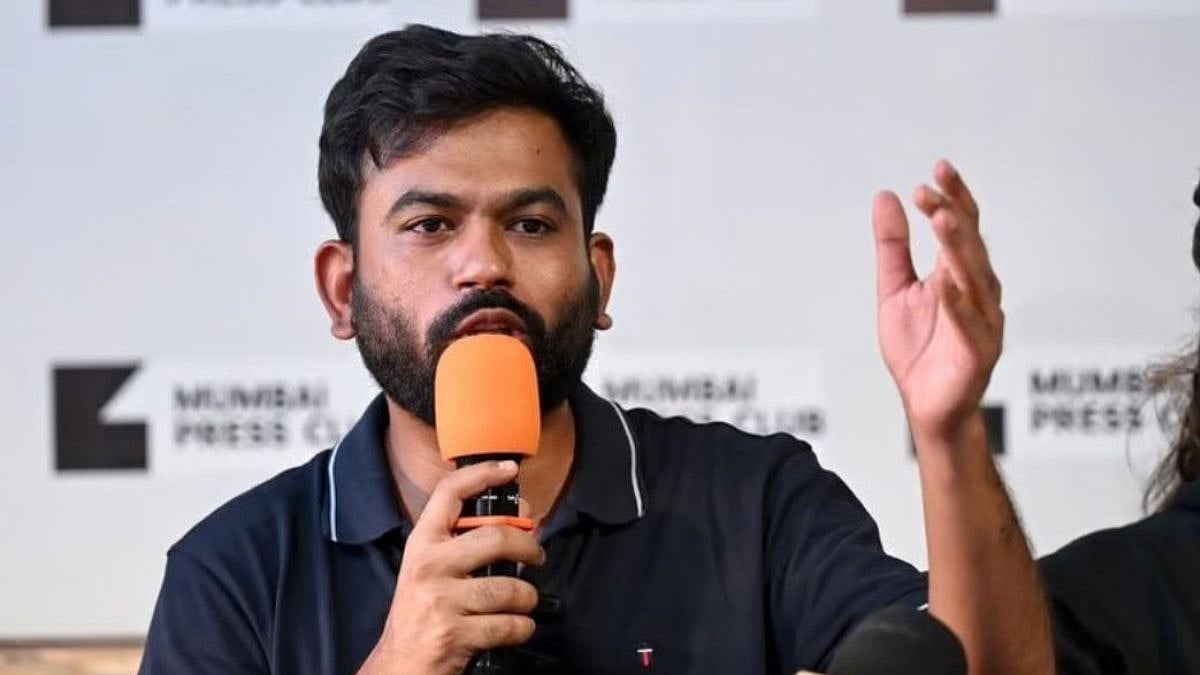
On October 13, Delhi Police detained CJP members who entered the Jantar Mantar grounds, which had been denotified as a designated protest site. Next day, a magistrate remanded Das and Ranka to five days of judicial custody, while CJP member Ajinkya Shinde was released on a personal bond of Rs 5,000. Irked with the development, Dipke, who reached Delhi on Wednesday, criticised the custody of his colleagues and said the movement would continue to function as an independent pressure group rather than register as a political party. “CJP shared a common cause with Opposition parties in opposing Gyanesh Kumar, while maintaining its organisational independence,” the leader added.
CJP was launched by Abhijeet Dipke on May 16, 2026, as a satirical online movement following a controversy over remarks reportedly made about unemployed youth during a judicial hearing. It subsequently evolved into a youth-led agitation focusing on unemployment, examination irregularities and electoral rolls.
After demonstrations in Delhi in June and July over education-related issues, the movement turned its attention to the Election Commission’s Special Intensive Revision (SIR) exercise, raising concerns over alleged voter deletions and demanding the resignation of Chief Election Commissioner Gyanesh Kumar.
To get details on exclusive and budget-friendly property deals in Mumbai & surrounding regions, do visit: https://budgetproperties.in/

