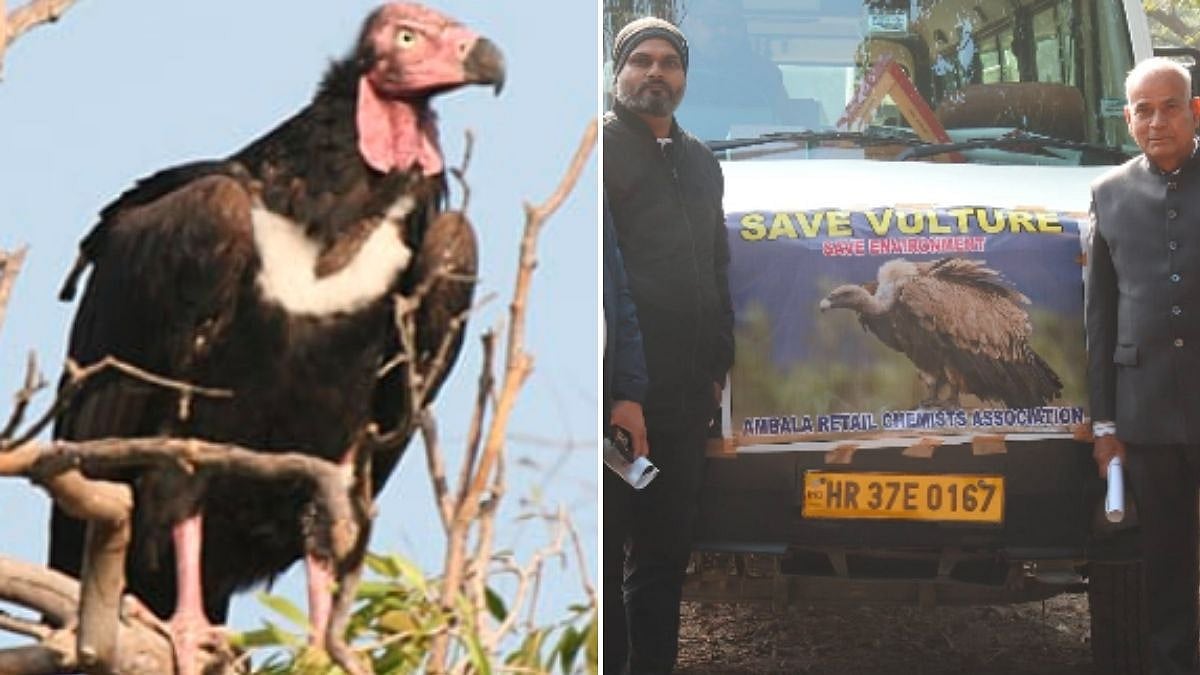
Mumbai: The near-extinction of India's vultures is one of the most tragic stories of wildlife decimation due to human-caused reasons. Vulture numbers that once exceeded a million have been reduced to a few thousand.
Deadly drugs
One of the main reasons for this decline is the indirect consumption of harmful veterinary drugs such as Diclofenac, Aceclofenac, Ketoprofen, and Nimesulide—some of which, such as Diclofenac, are also used in the formulation of painkillers for humans. When these drugs are given to cattle and vultures later feed on the carcasses, the drugs enter the vultures’ bodies, damaging their kidneys, making their eggs brittle, and eventually leading to the death of the birds.
To spread awareness about the harmful effects of these drugs on the ecosystem, the Bombay Natural History Society (BNHS) has been keen to involve veterinarians, chemists, cattle owners, caretakers, and gaurakshaks in the conservation project for these birds, which play a crucial role in disposing of animal carcasses that would otherwise rot and potentially spread diseases.
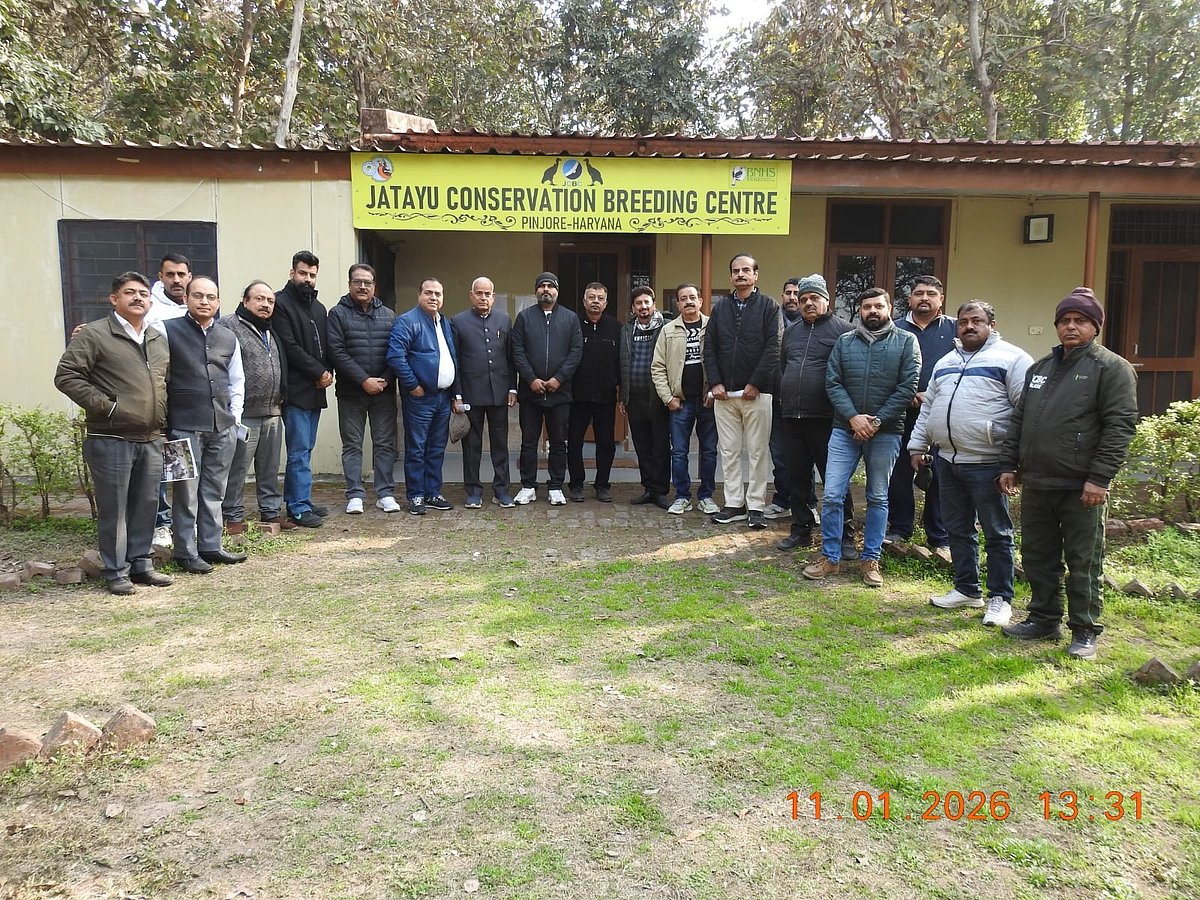
As part of one such mission, chemists visited the Jatayu Vulture Conservation Centre (JVCC) in Pinjore, Haryana, to support the “Save Vultures” project.
January outreach
On January 11, 2026, the BNHS, with the support of Lalit Kumar Goel, State Drugs Controller, FDA Haryana, organised a visit to the conservation centre with 15 members of the Ambala Retail Chemist Association.
The chemists were introduced to the ecological importance of vultures as natural scavengers that help keep the environment clean and balanced. They were also informed about the husbandry and veterinary care practices at the centre, and about the joint conservation efforts of the BNHS and the Haryana Forest and Wildlife Department for breeding and reintroducing vultures in the state.
During the interaction, discussions were held on the use of four harmful Non-steroidal Anti-inflammatory Drugs (NSAIDs)—Diclofenac, Aceclofenac, Ketoprofen, and Nimesulide—the reasons for their ban by the government, and their deadly effects on the vulture population. The session aimed to sensitize chemists and encourage them to strictly avoid selling banned veterinary medicines.
Call to action
“Chemists play a crucial role in vulture conservation. By avoiding banned veterinary drugs and promoting safe alternatives, they can directly help save this critically endangered species,” said Hemant Bajpai, Centre Manager at JVCC.
The Ambala Retail Chemist Association expressed its commitment to actively support vulture conservation under the mission “Save Vultures.” They assured their cooperation with national conservation efforts by promoting responsible pharmaceutical practices.
Species status
India has nine species of vultures, of which one is endangered and three are critically endangered. The Pinjore centre is working actively to prevent the extinction of the Indian, White-rumped, and Slender-billed Vultures. Earlier this month, the BNHS and the Pinjore centre released 15 Long-billed vultures (or Indian vultures), a critically endangered species, into the Melghat Tiger Reserve (MTR).
The BNHS has also worked on protecting Gyps vultures by creating Vulture Safe Zones and increasing awareness about the dangers of using Diclofenac. In fact, the Griffon Vulture (Gyps fulvus) is now designated as "Least Concern" by the International Union for Conservation of Nature (IUCN).
Vulture conservation experts are also working with cattle owners to revive nature's primary scavengers. Jorbeer Conservation Reserve in Bikaner, Rajasthan, for instance, is a dedicated vulture sanctuary where animal carcasses are dumped so the raptors can feed on them. Across species, vultures visit this "vulture restaurant," thereby gaining access to safe food.
Key Points of the Mission
Drastic Population Decline: Vulture numbers in India have plummeted from over a million to just a few thousand due to human-induced factors.
Toxic NSAIDs: The primary cause of death is the ingestion of cattle carcasses treated with drugs like Diclofenac, Aceclofenac, Ketoprofen, and Nimesulide, which cause kidney failure and eggshell thinning in vultures.
Chemists’ Involvement: The BNHS organized a visit for the Ambala Retail Chemist Association to the Pinjore conservation centre to sensitize them against selling banned veterinary drugs.
Ecological Role: Vultures are vital scavengers that prevent the spread of disease by efficiently disposing of animal remains.
Breeding and Release: The Pinjore centre focuses on breeding White-rumped, Slender-billed, and Indian vultures. Recently, 15 Indian vultures were released into the Melghat Tiger Reserve.
Safe Feeding Sites: Initiatives like the "vulture restaurant" at Jorbeer Conservation Reserve provide safe, drug-free food sources to help populations recover.
Conservation Success: Ongoing efforts and the creation of "Vulture Safe Zones" have led to the Griffon Vulture being reclassified as a species of "Least Concern."
To get details on exclusive and budget-friendly property deals in Mumbai & surrounding regions, do visit: https://budgetproperties.in/
