Bhiwandi, October 22, 2026: With residents across Bhiwandi struggling to secure adequate water for daily needs, alleged water theft, illegal connections and the reported operation of unauthorised bottling plants have raised serious questions about the management of the city’s water supply.
While women in several localities are reportedly staying awake late into the night to collect water, long queues form wherever municipal tankers arrive. The situation has further intensified amid scheduled water cuts and the suspension of supply from Varala Lake.
The Bhiwandi Nizampur City Municipal Corporation (BNCMC) currently receives 73 million litres per day (MLD) from the STEM Water Distribution and Infrastructure Company and 42 MLD from the Brihanmumbai Municipal Corporation (BMC), taking the total supply to 115 MLD.
An additional 5 MLD was earlier supplied from Varala Lake. However, this source has remained out of service following concerns over water quality and pollution.
NGT Restrictions Add To Water Shortage
The National Green Tribunal (NGT) had already imposed restrictions on the use of water from Varala Lake in February this year, citing pollution-related concerns. The loss of this source has placed additional pressure on an already strained supply network.
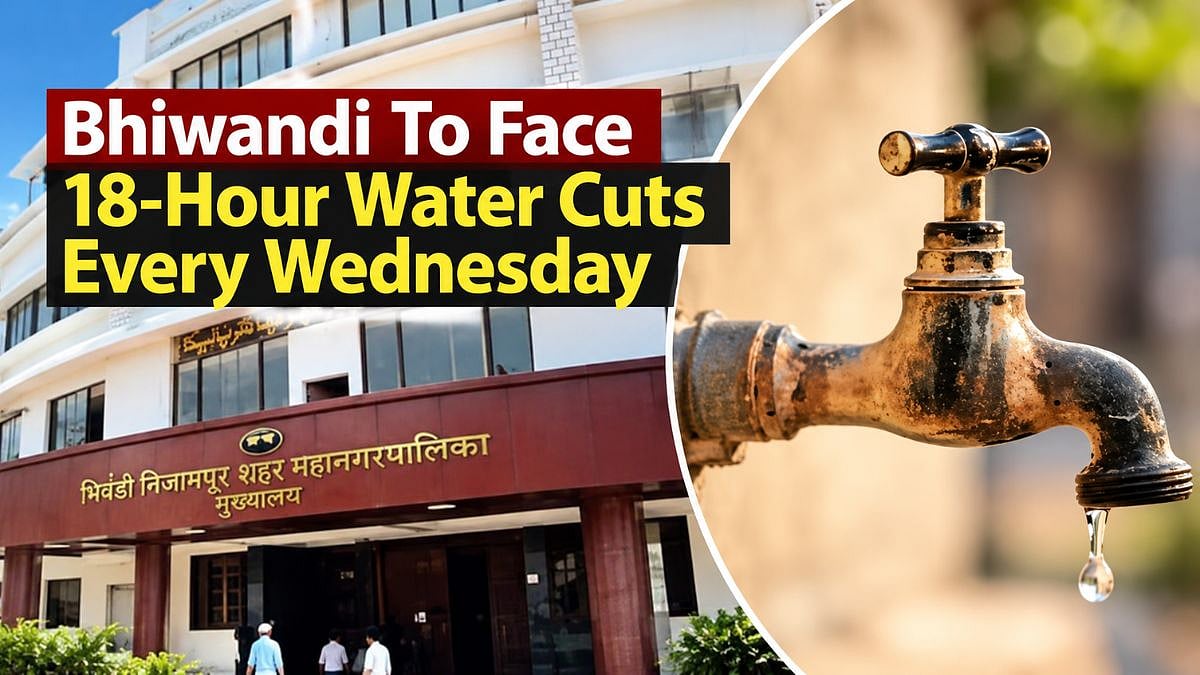
The civic water supply department has also introduced an 18-hour water cut every Wednesday, leaving residents in several areas facing further hardship.
Executive Engineer Sandeep Patnawar of the municipal water supply department said the water-cut decision had been extended until June 2027.
Growing Population, Shrinking Water Supply
Rapid urbanisation, rising population and ongoing construction activity have increased demand for water in Bhiwandi, while existing sources and the distribution network are struggling to meet requirements.
Residents of Najarana, Chhatrapati Shivaji Maharaj Chowk, Gaibi Nagar, Ashok Nagar, Shantinagar, the IGM Sub-District Hospital area, Nizampura, Narpoli, Bhandari Chowk and Sathanagar are among those affected by irregular and inadequate supply.
Even residents of housing societies in relatively affluent neighbourhoods reportedly receive water for barely 20 to 25 minutes at a time. In several localities, people have to wait for hours to collect water, highlighting the widening gap between demand and available supply.
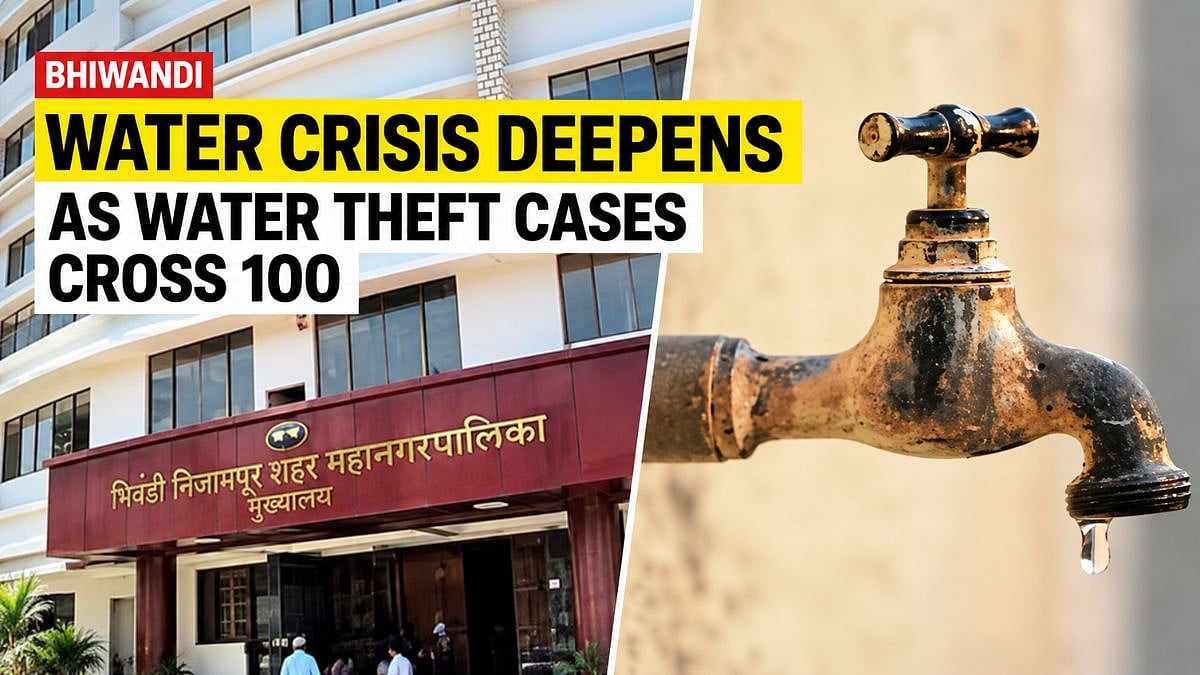
Over 100 Water Theft Cases Registered
Amid the shortage, water theft has emerged as another major challenge for the civic administration. Bhiwandi is a major textile hub, with numerous dyeing and sizing units operating across the city. Complaints have repeatedly surfaced alleging that some industrial units obtain water through unauthorised connections.
The municipal water supply department has registered more than 100 cases of water theft with various police stations as part of its enforcement drive. However, residents have alleged that water is being illegally diverted to dyeing and sizing units as well as construction sites, with some accusing officials of turning a blind eye to the practice. These allegations have not been independently established.
The scale of the complaints has raised concerns over whether enforcement measures are sufficient to prevent the diversion of water at a time when households are struggling to meet basic needs.
76 Alleged Illegal Bottling Plants Under Scrutiny
The alleged operation of more than 76 unauthorised water bottling plants has added another dimension to the controversy. Complaints suggest that these units consume substantial quantities of water, prompting questions about how they continue to access supplies while several residential areas face shortages.
Last week, a delegation met Municipal Commissioner Anmol Sagar and sought action against the allegedly illegal bottling plants. However, residents have complained that effective action is yet to be taken. The water supply department has reportedly said it does not have information regarding these units.
The issue has also drawn attention to the need to verify the plants' permissions, water sources and compliance with applicable regulations.
Car-Washing Centres Also Raise Concerns
A large number of car-washing centres are also reportedly operating in the city, with complaints that they consume thousands of litres of water daily. Residents have questioned why establishments using substantial quantities of water are not being subjected to stricter checks when households face difficulties obtaining water for drinking and other essential purposes.
Six Tankers Deployed For Temporary Relief
The municipal corporation is currently supplying water to affected areas through six tankers. However, residents have raised concerns that the number is inadequate given the population and demand in the worst-affected localities.
To curb illegal connections and water theft, the water supply department has formed a special water-theft squad. Patnawar said the department was supplying water through tankers in areas facing shortages and taking action against water theft through the special team.
Water Management Under The Spotlight
The crisis has brought the city's water management system under scrutiny. While the suspension of supply from Varala Lake and scheduled cuts have reduced the water available to residents, complaints of unauthorised connections and high-consumption commercial activities continue to raise concerns.
Residents are demanding reliable and equitable water distribution, stricter monitoring of industrial and commercial users, and effective action against illegal connections. They also want the civic administration to ensure that enforcement against water theft translates into improved availability for households.
Also Watch:
For Bhiwandi, the challenge is no longer limited to securing adequate water. It is also about ensuring that the available supply is distributed fairly, transparently and without illegal diversion.
To get details on exclusive and budget-friendly property deals in Mumbai & surrounding regions, do visit: https://budgetproperties.in/

