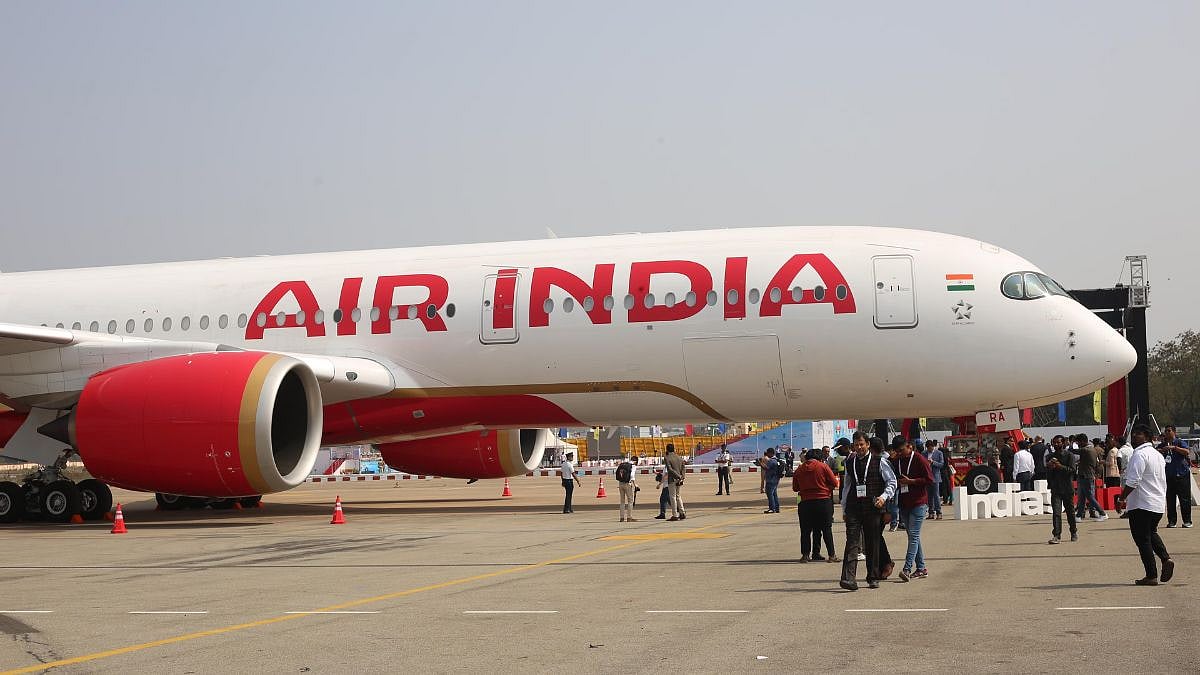
Mumbai: All 13 passengers admitted to medical facilities following a severe mid-air turbulence incident on Air India flight AI-2379 were discharged on Wednesday, while four cabin crew members remained under specialised care. The aviation watchdog, the Directorate General of Civil Aviation (DGCA), is said to be actively pursuing a formal investigation into the event.
Air India A320neo Faced Sudden 300-Foot Altitude Drop Over Odisha
On Tuesday, Air India's VT-EXO, an Airbus A320neo operating from Phuket to Delhi with 137 passengers and eight crew members aboard, encountered a sudden, severe turbulence-related event during the cruise phase of the flight. According to official information from the DGCA, the flight altitude suddenly dropped by around 300 feet within two seconds while it was cruising above Odisha towards its destination, Indira Gandhi International Airport.
The momentary drop caused unbelted passengers and crew to be thrown around the cabin, resulting in minor to significant injuries to both - the travellers and the crew. Following the aircraft’s safe landing in Delhi at around 11am, airport emergency teams immediately transferred 13 passengers and four crew members to local healthcare facilities, including Fortis Hospital and Medanta Hospital, for urgent evaluation and treatment.
Emergency Teams Shifted Injured Passengers to Delhi Hospitals
On Wednesday, Air India confirmed that all 13 passengers who were admitted to hospital following the incident have been discharged, while four crew members remained under medical care and continued to receive treatment.

"Air India teams remain present at the hospitals and are in close contact with those affected, providing all necessary assistance and support. The safety and well-being of our passengers and crew remain Air India's foremost priority. We will continue to support those affected and their families, and will work closely with the relevant authorities as the investigation progresses," said an airline spokesperson.
The DGCA has initiated an inquiry focusing on the flight data recorder (FDR) parameters, meteorological conditions along the flight corridor over the Bay of Bengal and cockpit weather radar logs. Initial reports indicate the aircraft may have hit severe clear air turbulence or localised convective updrafts or downdrafts typical of Southwest Monsoon weather patterns.
Aviation safety experts noted that while modern transport category aircraft like the A320neo are engineered to easily withstand structural loads far exceeding such turbulence, unfastened occupants in the aisle or cabin crew performing in-flight meal services face the highest risk of impact-related injuries during abrupt changes in altitude.
To get details on exclusive and budget-friendly property deals in Mumbai & surrounding regions, do visit: https://budgetproperties.in

