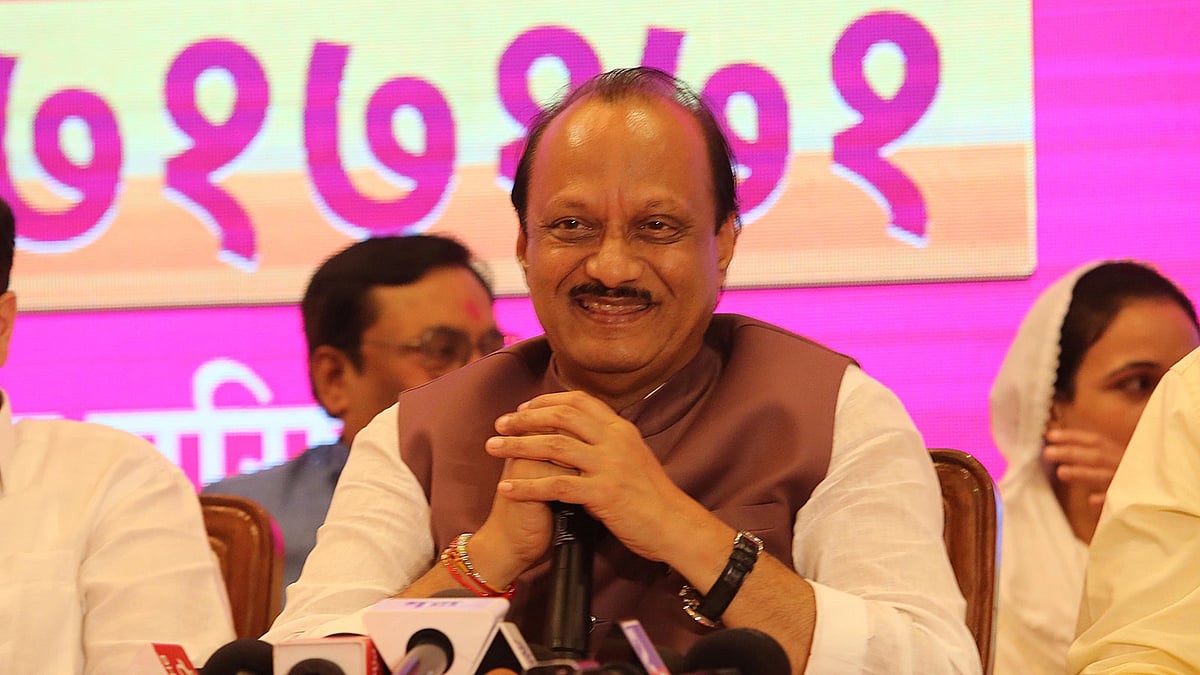
Mumbai: Maharashtra’s politics has seen many towering and turbulent figures – leaders remembered for mass appeal, decisiveness, controversy, or tragic ends. On Wednesday, Ajit Pawar joined that list. Entering parliamentary politics in 1991, his 35-year political journey came to an end in 2026. A stormy personality who remained at the centre of Maharashtra’s political discourse, his exit marks the close of a contentious chapter.
Coalition Years
Ajit Pawar was never out of public debate – whether for his punctuality, bluntness, administrative grip, decisiveness, or controversies ranging from the irrigation scam to his break with his uncle Sharad Pawar and alignment with the BJP. He drew admiration and criticism in equal measure.
Sharad Pawar introduced him to national politics in 1991 by fielding him from Baramati, only to vacate the seat days later when Sharad Pawar moved to Delhi. Ajit Pawar then entered state politics from the Baramati Assembly constituency. Despite being the nephew of a powerful leader, he began modestly as a Minister of State under seniors like Vilasrao Deshmukh and Dr Padmasinh Patil, handling portfolios such as agriculture, industries, and energy.
His working relationship with Vilasrao Deshmukh proved strong, especially during the Congress–NCP coalition governments between 1999 and 2008. Ajit Pawar consistently cited Deshmukh as the most effective coalition Chief Minister.
Sharad Pawar remained cautious about elevating his nephew too rapidly, ensuring senior NCP leaders retained key portfolios. However, as Sharad Pawar focused on national politics, Ajit Pawar gradually built his own power base within the party, bringing loyalists into the Assembly and Legislative Council.
Under pressure from younger MLAs, Sharad Pawar eventually agreed to make him Deputy Chief Minister in November 2010 during Prithviraj Chavan’s tenure. Tensions soon surfaced, with Chavan attempting to curb what he saw as unrestrained decision-making by NCP ministers. The standoff led to Ajit Pawar’s resignation and later return, but the relationship never recovered.
Controversies and Scandals
Allegations related to the irrigation department and the subsequent Chitale Committee inquiry deepened the coalition’s troubles. In 2014, the Congress–NCP alliance collapsed, with the NCP withdrawing support just before the elections. Ajit Pawar believed the Congress, particularly Prithviraj Chavan, was deliberately undermining the NCP, while Sharad Pawar preferred a more diplomatic approach.
Blunt to the core, Ajit Pawar spared no one—colleagues, officials, or allies. His famous remark that after fifty, one should seek blessings from elders but make decisions independently reflected his mindset. Officials feared his discipline; meetings at Mantralaya often began as early as 7 a.m.
The irrigation scam and controversies surrounding the State Cooperative Apex Bank further damaged his image, especially after NABARD’s audit and the RBI’s warning led to the dissolution of the bank’s board—deepening strains between the Congress and the NCP.
Believing that the NCP could grow only at the Congress’s expense, the party steadily warmed up to the BJP. Ajit Pawar himself implemented the “Pune pattern” by aligning with the BJP to sideline the Congress in the Pune Municipal Corporation. After the BJP came to power in 2014, the NCP extended outside support—partly to escape political pressure.
Later Years and NCP Split
The failed early-morning swearing-in of 2019 bruised Ajit Pawar politically. During the Maha Vikas Aghadi government, however, he emerged as a power centre, with even Chief Minister Uddhav Thackeray directing MLAs and ministers to him—fuelling resentment within the Shiv Sena and eventually contributing to its split.
Internal disagreements with Sharad Pawar, opposition from Supriya Sule, and encouragement from senior colleagues culminated in the NCP split in 2023. Even later, signs of dissatisfaction led to speculation about reunification and further realignments.
Legacy and Abrupt End
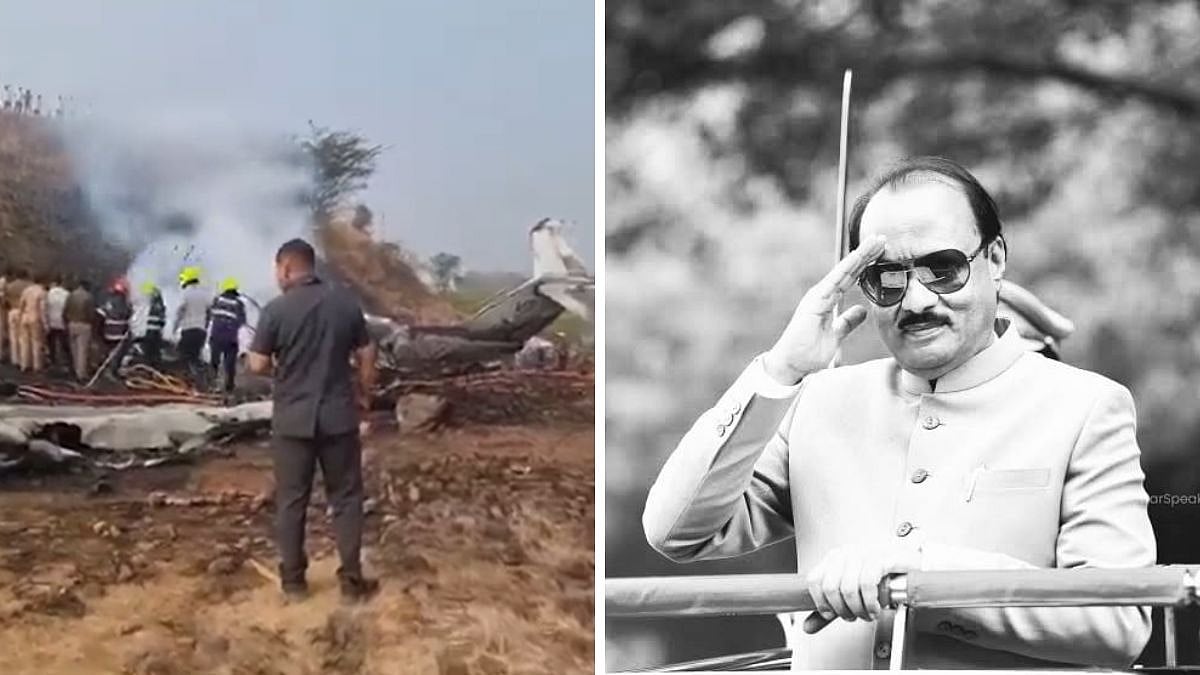
Controversial remarks during municipal elections and pending inquiries, including a land deal linked to his son, cast fresh shadows over his future. Before those questions could be answered, Ajit Pawar’s turbulent political journey came to an abrupt end.
A career marked by ambition, authority, controversy, and constant conflict—Ajit Pawar remained, till the very end, a storm at the heart of Maharashtra’s politics.
To get details on exclusive and budget-friendly property deals in Mumbai & surrounding regions, do visit: https://budgetproperties.in/

