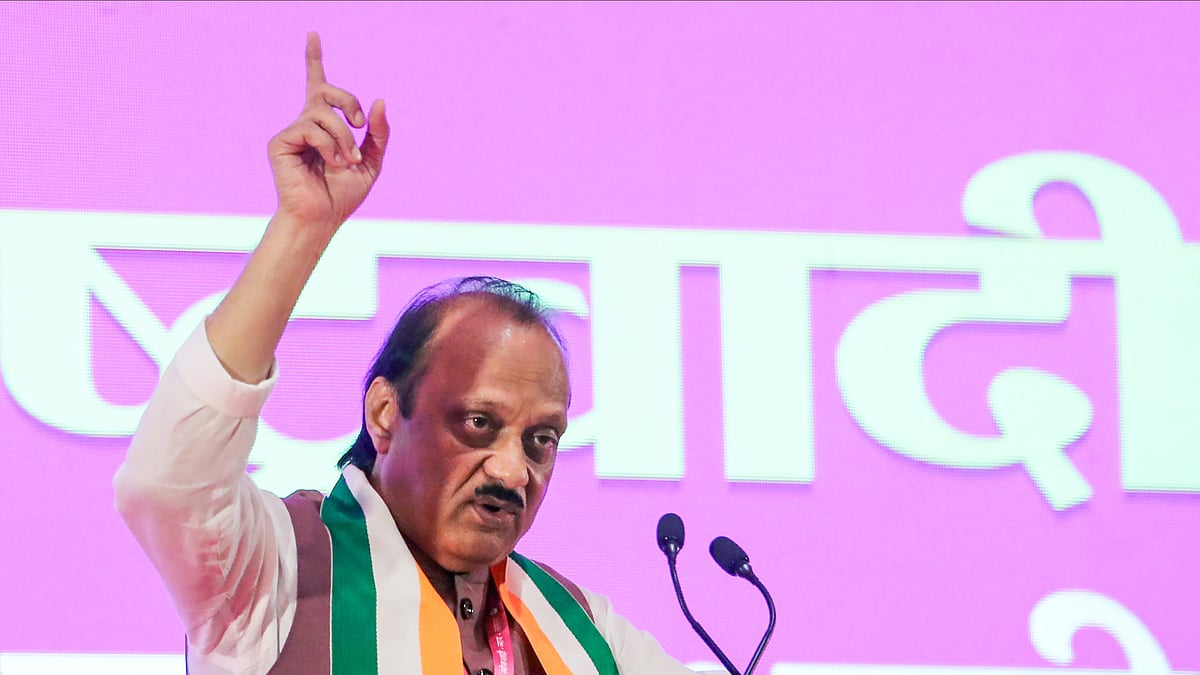
Maharashtra Deputy Chief Minister and Nationalist Congress Party chief Ajit Pawar died in a tragic plane crash on Wednesday, January 28, sending shockwaves across Maharashtra and the nation. The sudden loss of one of the state’s most powerful and enduring political figures has left supporters, rivals and citizens shocked.
The small aircraft carrying Pawar reportedly crashed while attempting to land in Baramati, his political stronghold. Pawar was scheduled to hold rally there today.
Climbing The Political Ladder
Born on July 22, 1959, in Deolali Pravara in Ahmednagar district, Ajit Pawar was the nephew of veteran leader Sharad Pawar and entered public life at a young age. His life was shaped early by personal hardship. After moving to Mumbai for higher studies, Pawar dropped out of college following his father’s death to support his family. His formal education ended at the SSC level at the Maharashtra Education Society High School in Baramati. Despite this, his deep understanding of rural Maharashtra particularly farmers’ issues became one of his defining strengths.
His political journey began in the cooperative sector in 1982, where he was elected to the board of a sugar factory in Pune mirroring his uncle’s early rise. From there, Pawar steadily climbed the political ladder, becoming an MLA and later holding some of the most influential ministerial portfolios in Maharashtra.
The Intense Political Drama In Pawar's Political Career
Pawar’s career witnessed the most intense political drama in 2019, when he briefly formed a short-lived government with the BJP before returning to the opposition.
In July 2023, he led a major split in the Nationalist Congress Party, rebelling against his uncle Sharad Pawar and joining the BJP-Eknath Shinde alliance as Deputy Chief Minister.
In 2024, his faction was recognised by the Election Commission as the official NCP and awarded the party’s “clock” symbol, while Sharad Pawar’s faction was renamed the Nationalist Congress Party–Sharadchandra Pawar (NCP-SP).
'Forever Deputy CM'
Pawar holds the record for being Maharashtra’s longest-serving Deputy Chief Minister, albeit non-consecutively. He took oath for the post six times across governments led by the Congress, NCP-led coalitions, Shiv Sena factions, and the BJP. This remarkable longevity earned him the sobriquet “forever Deputy CM.” Known for his relentless work ethic, Pawar was reputed to work 16–17 hours a day and regularly held Janata Darbars, regardless of whether he was in power.
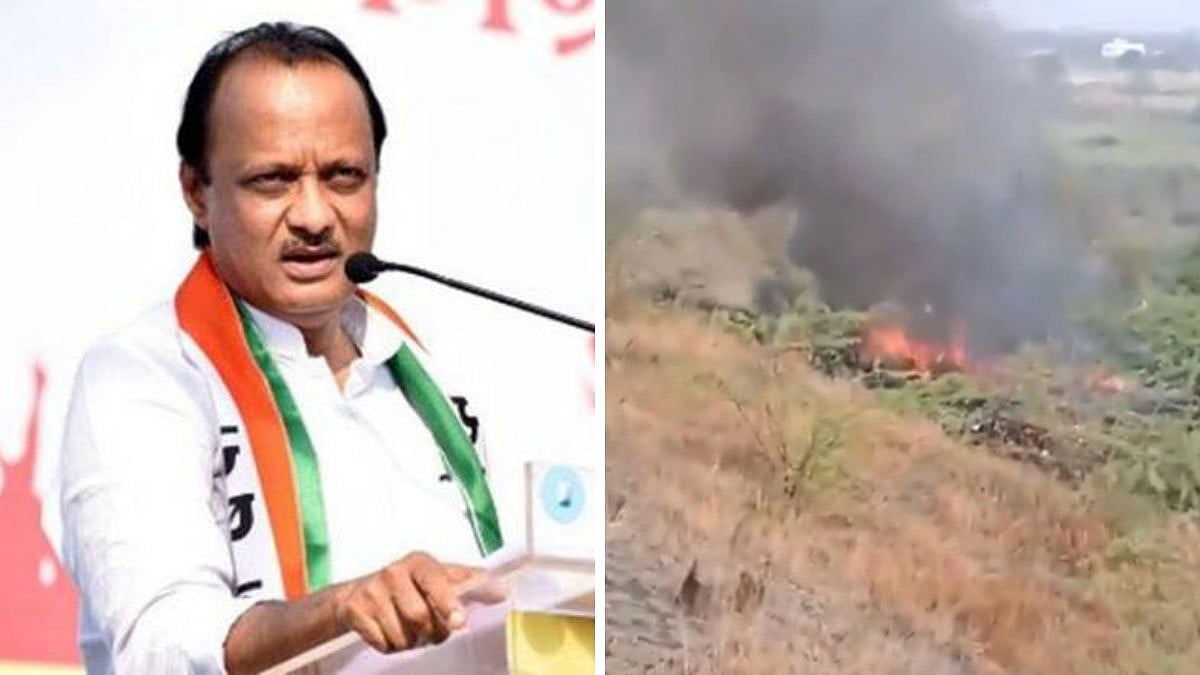
A rollercoaster political career
Throughout a long and influential career, Pawar had a political journey often marked by intense scrutiny. While his tenure as Water Resources Minister was notably shadowed by administrative challenges and allegations that led to his 2012 resignation, he remained a resilient figure in Maharashtra politics. In later years, many of these legal hurdles were cleared, allowing him to focus on his continued role as a key architect of the state’s development.
Pawar was also known for candid, sometimes controversial remarks including one during the 2013 drought crisis, for which he later apologised.
Often described as a complex mix of ambition, aggression and political instinct, Pawar was nevertheless widely acknowledged as a master survivor in Maharashtra’s volatile politics.

