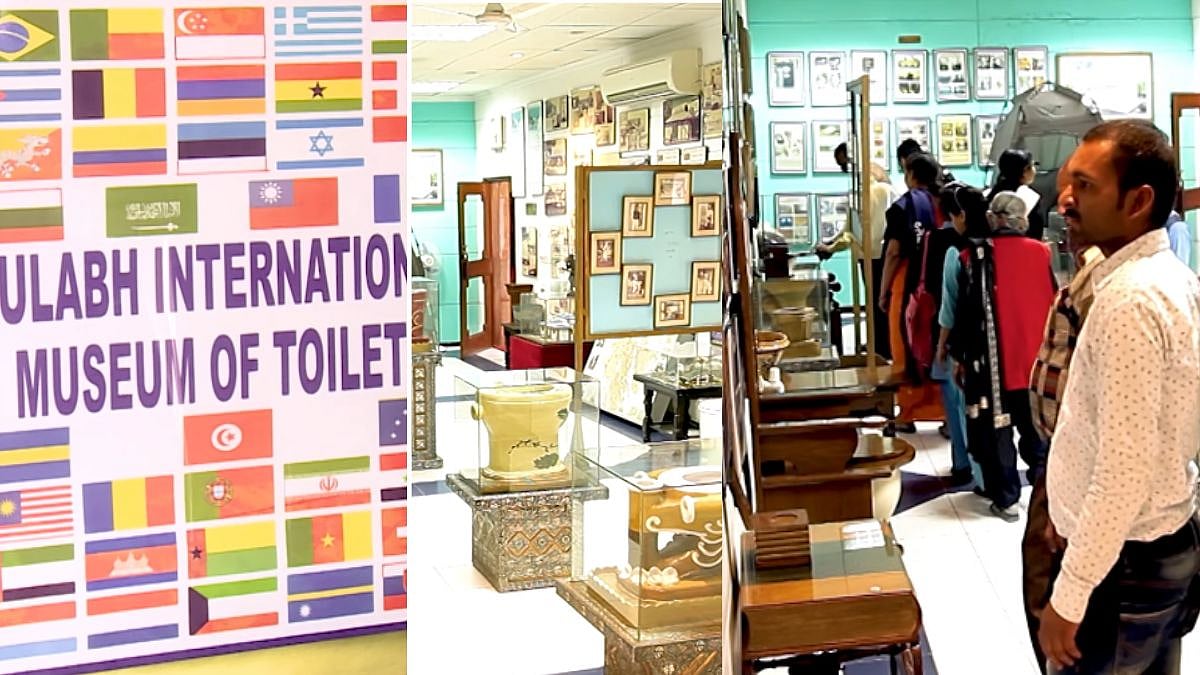
World Toilet Day is observed every year on November 19, and it highlights the importance of sanitation, hygiene and access to safe toilets. The day is being observed around the world with the theme "Safe toilets. Equal futures." While toilets are an essential part of everyday life, few people know that Delhi is home to a museum dedicated entirely to their history and evolution. Known as the Sulabh International Museum of Toilets, this unusual museum offers visitors a fascinating journey through the history of sanitation across different civilisations. Found it interesting? Let's take a look in detail at the vision behind making something like this.
About Sulabh International Museum of Toilets
Sulabh International Museum of Toilets is located in Mahavir Enclave, New Delhi. It was established in 1992 by Dr Bindeshwar Pathak, the founder of the Sulabh International Social Service Organisation. Its primary objective is to create awareness about the importance of sanitation while documenting how toilet systems have evolved over thousands of years. Dr Bindeshwar Pathak was a sociologist who worked to promote human rights, environmental sanitation, non-conventional sources of energy, waste management and social reforms through education.
What makes the museum unique?
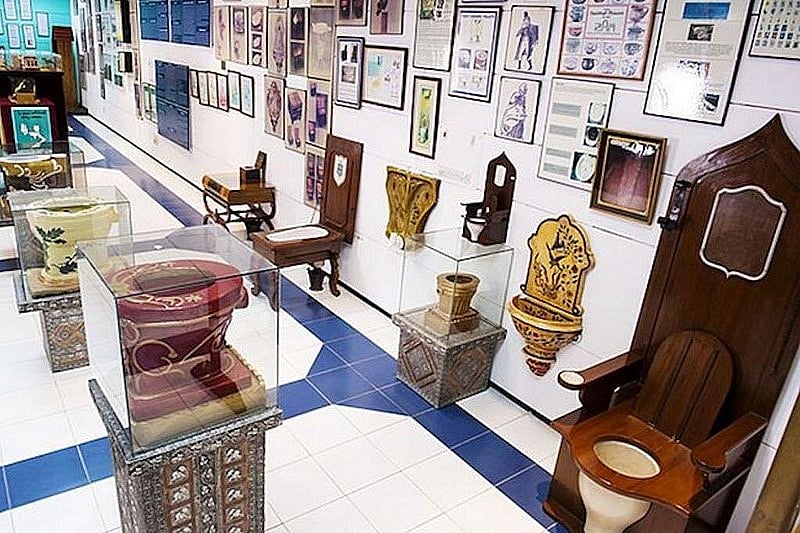
The museum houses an extensive collection of exhibits tracing the history of toilets from ancient civilisations to modern times. Its displays feature sanitation practices and toilet designs from different countries, offering a glimpse into how societies have addressed basic hygiene needs throughout history.
Visitors can explore replicas and models of historical toilets, including examples inspired by ancient Roman, Greek and other European sanitation systems. The collection dating back to 2500 BC to fancy Victorian toilet seats, this unusual museum takes visitors through thousands of years of toilet history. Also showcases unusual toilet designs, decorative commodes and innovations that reflect changing lifestyles, technology and social practices.
Sanitation beyond convenience
One of the museum's most interesting aspects is its presentation of sanitation as more than just a matter of convenience. It explores the connection between toilets, public health, environmental sustainability and human dignity.
Why is it relevant on World Toilet Day?
Observance of World Toilet Day aims to highlight that access to safe sanitation remains a major global concern. According to the United Nations, billions of people worldwide still lack access to safely managed sanitation facilities.
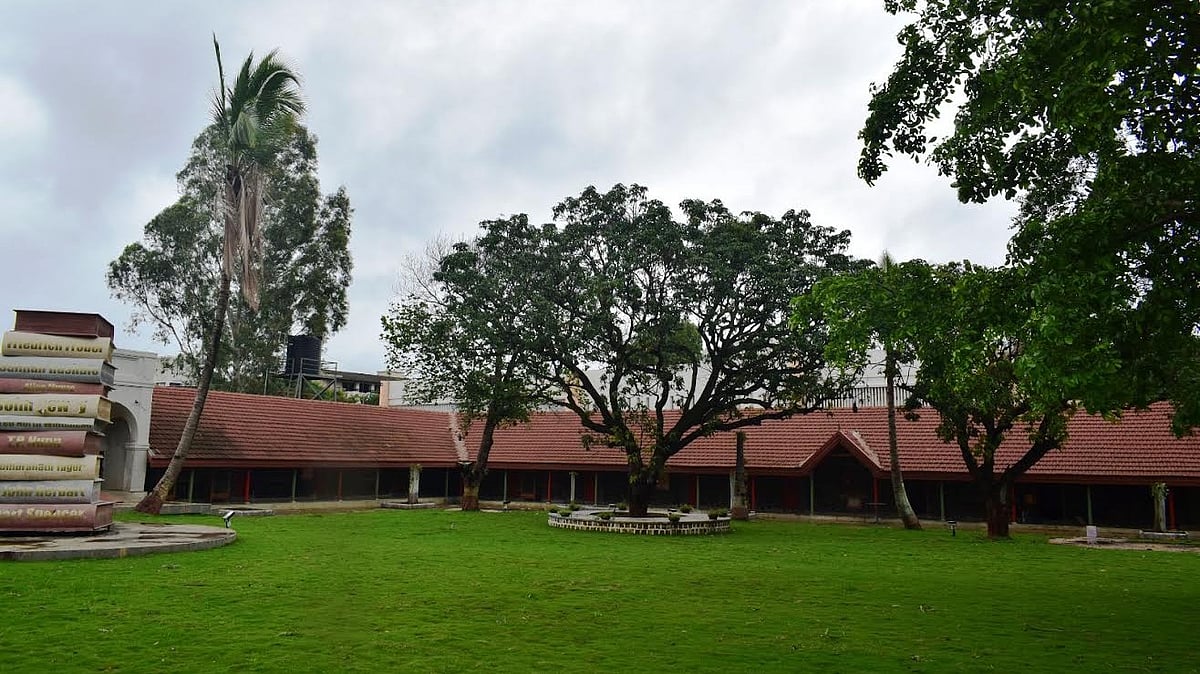
The Sulabh International Museum of Toilets uses history and education to encourage conversations around this often-overlooked subject. It also highlights the role of sanitation initiatives in improving living conditions and public health.
Level up your brain the fun way. Play daily games and quizzes on FPJ Smart!

