World Diabetes Day is observed every year on November 14 to raise awareness about diabetes, its prevention and the importance of timely treatment. The theme for 2026–2027, 'Early Action on Diabetes', highlights the need to identify the condition at an early stage rather than waiting for symptoms or complications to appear. Early diagnosis and the right medical guidance can play an important role in managing the condition and reducing its long-term impact.
But what does early action on diabetes actually mean, and why is it important? To understand this, we spoke to Dr. Vikram Jeet Singh, Senior Director (Unit-I), Internal Medicine, Aakash Healthcare, who explained the importance of regular health checkups, recognising risk factors and taking preventive steps before diabetes leads to serious complications.
World Diabetes Day 2026: Understanding The Importance Of Early Action
According to Dr. Singh, early action is not limited to treating diabetes after a diagnosis. It begins with prevention, regular screening and timely medical intervention. "Early action on diabetes is not about treating diabetes when symptoms appear but about prevention, early diagnosis, and management. Type 2 diabetes can gradually creep up over many years, often without any sign that you have it until there is evidence of complications in your eyes, nerves, heart, or kidneys."
He explains that people with certain risk factors should be particularly careful and consider regular health checkups. These include obesity, excess abdominal fat, a family history of diabetes, physical inactivity and hypertension. Since Type 2 diabetes can remain undetected for years, waiting for visible symptoms may delay diagnosis and treatment.
Why Regular Blood Sugar Tests Are Important
Dr. Singh emphasises that regular blood glucose and HbA1c tests are important for identifying prediabetes or diabetes at an early stage. The frequency of these tests should be decided in consultation with a doctor.
He also points out that a prediabetes diagnosis offers an opportunity to prevent or delay the onset of Type 2 diabetes. Lifestyle changes such as regular exercise, eating a high-fibre diet, maintaining a healthy weight and getting adequate sleep can make a difference.
What Should You Do After A Diabetes Diagnosis?
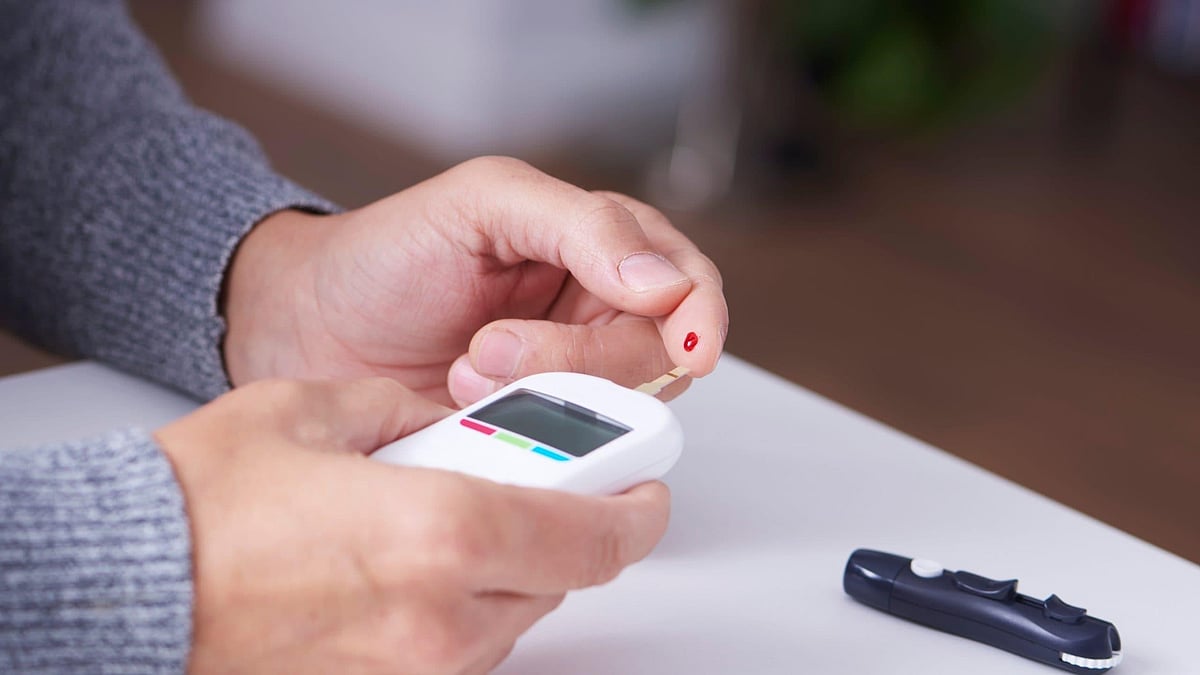
For people who have already been diagnosed with diabetes, early action means staying consistent with treatment and monitoring. Dr. Singh recommends regularly checking blood glucose levels, taking prescribed medication and attending medical follow-ups.
He also stresses the importance of routine health assessments to monitor the eyes, kidneys, feet and cardiovascular system. These checks can help identify potential complications and ensure that they are addressed in time.
The Key Message: Don't Wait For Symptoms
Sharing his final message, Dr. Singh says, "The message is simple: don't wait for diabetes to lead to complications before you act. With early screening and early medical intervention, people can avoid or delay complications and live healthier lives."

