While the winter season brings in its share of a cool atmosphere, it also means a change in diet to suit the weather. The winter season has its ingredients to stay healthy. Discover the winter ingredients to include in one’s diet, the method to plan an ayurvedic meal for the season, and the Patanjali products that can be used in the same.
Winter Ingredients to Include in Diet
Your winter diet should include ingredients that provide warmth, boost immunity against seasonal ailments like coughs and colds, support digestion and energy, treat skin dryness, provide essential minerals and vitamins, and cleanse the system.
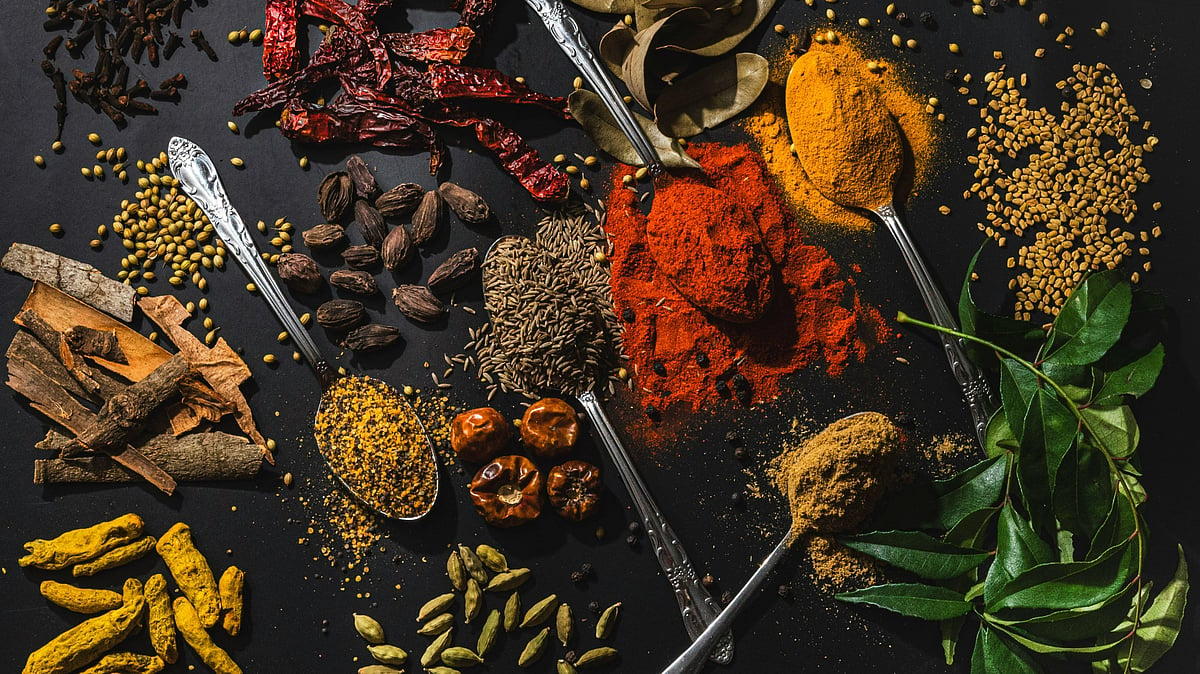
Healthy fats and sweeteners like ghee and jaggery oil the joints, boost digestion, and provide energy and warmth. Spices like ginger, black pepper, cinnamon, turmeric, nutmeg and garlic give warmth and boost circulation, digestion and immunity.
Opt for leafy greens such as sarson or mustard greens, bathua, spinach and methi for iron and antioxidants. Root vegetables like sweet potatoes, beetroot, radish, turnip and carrots provide complex carbs, beta carotene, and fibre for gut health.
Millets like jowar, bajra and ragi are gluten-free and rich in iron to keep you warm. Eat dry fruits and nuts such as almonds, flaxseeds, sesame seeds and walnuts for calcium, warmth and energy.
In pulses and dals, eat rajma or kidney beans, urad dal, masoor dal, moong dal, arhar dal, lobia, and kulthi dal for energy, protein, and antioxidants. Herbs like tulsi, amla, moringa and shatavari fight seasonal health issues and boost bone health, energy and hormones.
After understanding the winter ingredients for good health, let us plan winter meals the ayurvedic way for the season. Also, learn which Patanjali products you can use.
How to Plan Ayurvedic Meals for the Winter Season
Understand that food must be cooked and warm. It shouldn’t be raw or cold, as it causes respiratory or digestive issues. Use the right amount of ghee, sesame oil and nourishing fats. Ensure the palate has all six tastes.
Breakfast can include warm oats with almonds, figs or dates and spices like cinnamon. Or have sooji porridge, poha or upma with vegetables. Try meethi or spinach parathas. Lunch can be root or leafy vegetables and winter legumes or lentils with ragi or jowar roti.
In the evenings, drink herbal or ginger tea with a dry-fruit-based snack. Have a light and early dinner. Opt for warm soups made from root vegetables or winter legumes or dals. Try moong dal khichdi.

Patanjali has always worked on ayurvedic methods to offer premium-quality items. Use Patanjali Cow’s Ghee (200 Ml, 450 Ml, 500 Ml, 950 Ml, 1 Ltr and 5 Ltr). It offers many nutritional properties.
Patanjali Black Pepper Powder (100 Gms) and Patanjali Black Pepper Whole (5 Gms and 100 Gms) gives a peppery and warm taste. Use Patanjali Turmeric Powder (15 Gms, 20 Gms, 100 Gms, 200 Gms and 500 Gms) in winter special meals or milk.
Choose Patanjali Jawar Atta (500 Gms). It is high in dietary fibre and phosphorus. Patanjali Ragi Atta (Madwa Atta) (1 Kg) is a premium ragi flour. It is high in calcium, iron, phosphorus and dietary fibre. Both are naturally gluten-free. Use both to make rotis, porridge, etc.
Among the dals and lentils, try Patanjali Unpolished Arhar Dal (Tuvar Dal) (500 Gms and 1 Kg), Patanjali Unpolished Urad Whole (500 Gms and 1 Kg), and Patanjali Unpolished Mix Pulses (500 Gms and 1 Kg). All offer high nutrition and taste and are unpolished.
For breakfast, opt for Patanjali Poha (500 Gms and 1 Kg). It has low calories and fat content and is light and fluffy. Add vegetables. Or opt for Patanjali Sooji (500 Gms and 1 Kg) to make upma, halwa, porridge, etc. It is rich in carbs, fibre, and nutrients. Patanjali Dry Fruit Laddu (500 Gms) is a healthy sweet made from dates, dry fruits and other healthy ingredients.
To stay healthy in winter, choose this ayurvedic guide with seasonal winter ingredients and well-planned meals as per Ayurveda. Patanjali helps you do that better.

