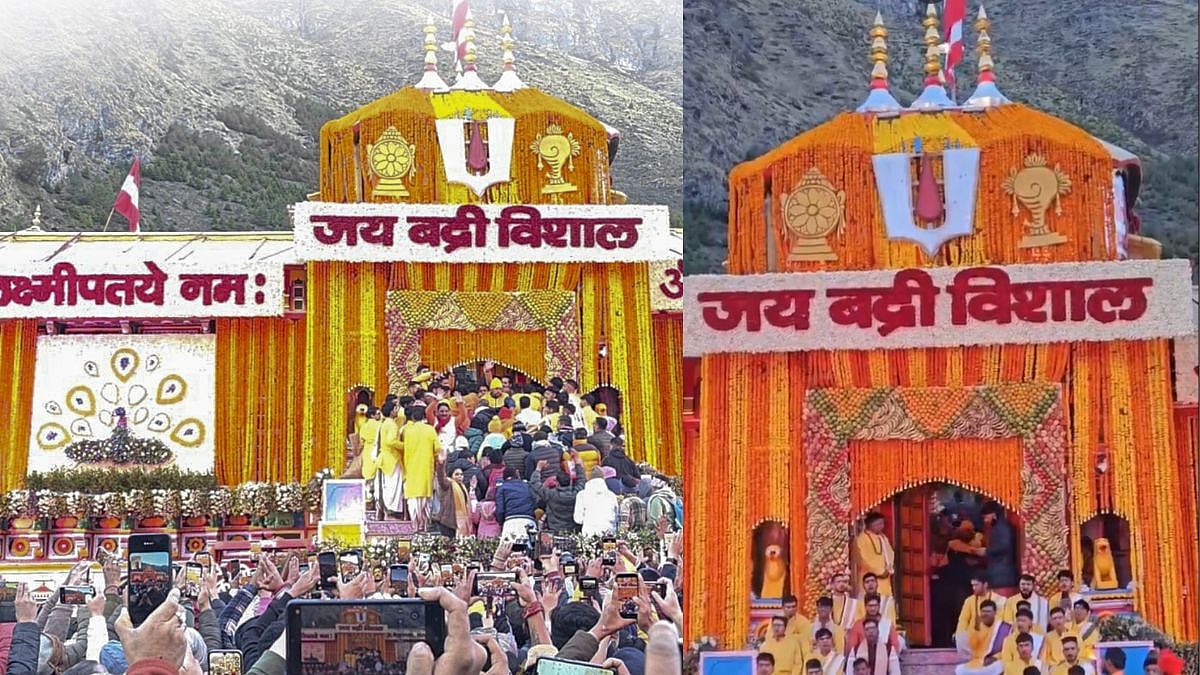
Badrinath Dham is one of the sacred Char Dham Yatra, which is dedicated to Lord Vishnu. The annual pilgrimage is located in the town of Badrinath in Chamoli district of Uttarakhand. The temple, which is also one of the 108 Divya Desams, where Lord Vishnu is worshipped in the form of Badrinath, has now finally opened for devotees. The temple was opened around 6 AM, Thursday, April 23, 2026. But did you know that blowing a conch at Badrinath Dham is prohibited? Keep on reading to know the exact reason behind it.
Badrinath Dham opens after a winter break
Badrinath is one of the important pilgrimage sites which is a part of Char Dham Yatra. The sacred pilgrimage includes four Dhams, including Gangotri Dham, Yamunotri Dham, Kedarnath and Badrinath. The gates of Badrinath Dham opened at 6:15 AM after a long winter break. The temple is decorated with lots of flowers.
It is believed that Lord Vishnu sleeps during the month of winter and, because the region becomes inaccessible, the main deity is moved to the warmer location, Narsingh Temple in Joshimath or Yog Dhyan Badri Temple in Pandukeshwar. When the snow clears, the deity is moved back to Badrinath Dham, which leads to the opening of gates for devotees.
Blowing conch is prohibited at Badrinath Dham
Blowing a conch is prohibited in Badrinath Dham as it is considered inauspicious. At first glance, the restriction on blowing a conch at Badrinath Dham may seem unusual, especially since the conch, or shankh, is considered highly auspicious in Hindu rituals. However, this unique rule is deeply rooted in local beliefs and the temple’s spiritual traditions.
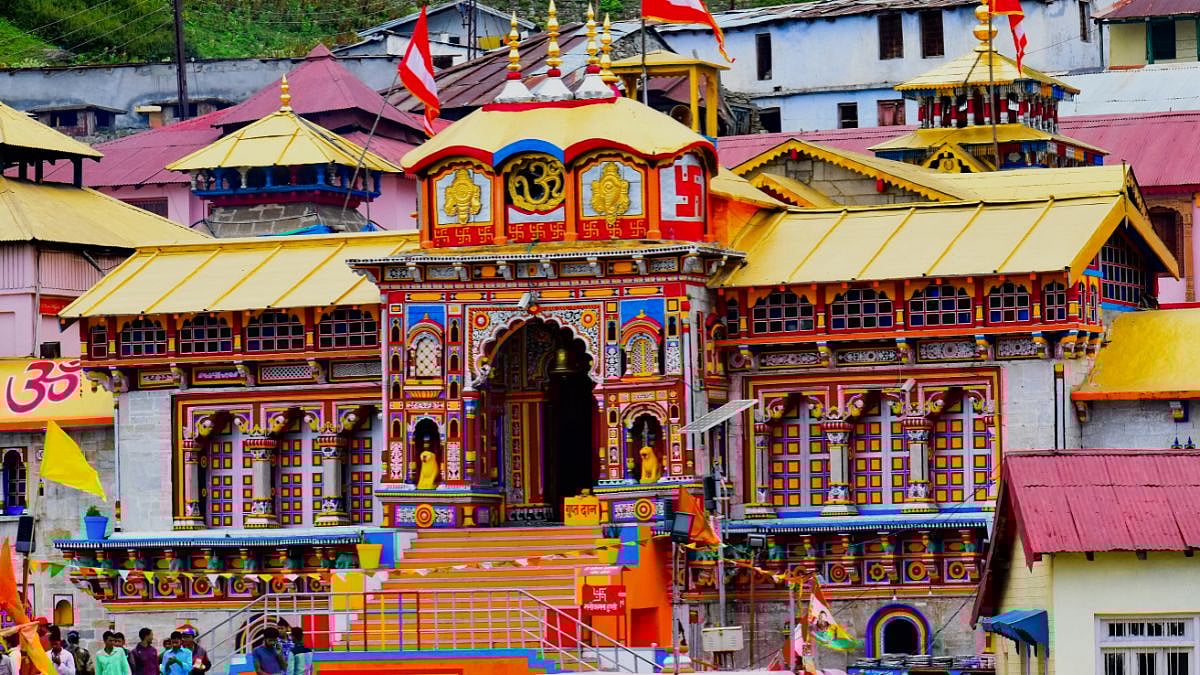
Badrinath Dham Reopens | Canva
Linked to Hindu mythology
According to popular legend, Goddess Lakshmi is believed to be meditating in the serene surroundings of the Badrinath shrine. The loud sound of a conch is thought to disturb her penance, which is why devotees are not allowed to blow it within the temple premises. This belief reflects the emphasis on maintaining a calm and meditative atmosphere in the region.
