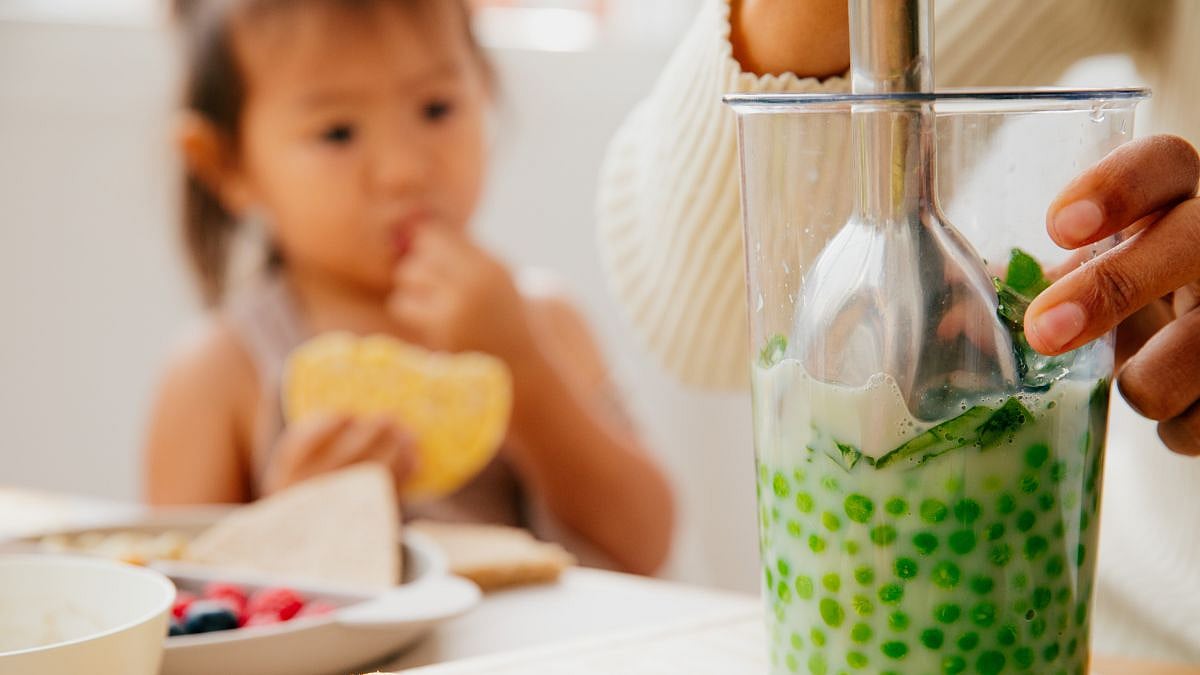
The Food Safety and Standards Authority of India (FSSAI) has proposed prohibiting the addition of sucrose and fructose to food products intended for infants up to six months of age. The proposal aims to strengthen infant nutrition standards and address concerns about the potential effects of added sugars on babies' health and development.
FSSAI has published a draft amendment to the Food Safety and Standards (Foods for Infant Nutrition) Regulations, 2020.
FSSAI Proposes Prohibition Of Added Sucrose And Fructose In Baby Food
FSSAI has published a draft amendment to the Food Safety and Standards (Foods for Infant Nutrition) Regulations, 2020, proposing to prohibit the addition of sucrose and fructose to food products intended for infants up to six months of age.
Sucrose, commonly known as table sugar, and fructose, a naturally occurring sugar found in fruits and honey, can also be used as ingredients in processed food products. However, their addition to infant food raises concerns because babies have specific nutritional requirements during their early months.
What Does The Proposed Amendment Aim To Do?
The proposed amendment aims to promote age-appropriate feeding practices and help reduce early exposure to added sugars. The draft amendment has been published in the Gazette of India for public consultation.
Highlighting the proposed changes and the steps being taken to strengthen infant nutrition standards, FSSAI wrote on X, "FSSAI proposes strengthening infant nutrition standards by restricting the addition of sucrose and fructose in food products intended for infants up to six months of age. The draft amendment aims to reduce early exposure to added sugars."
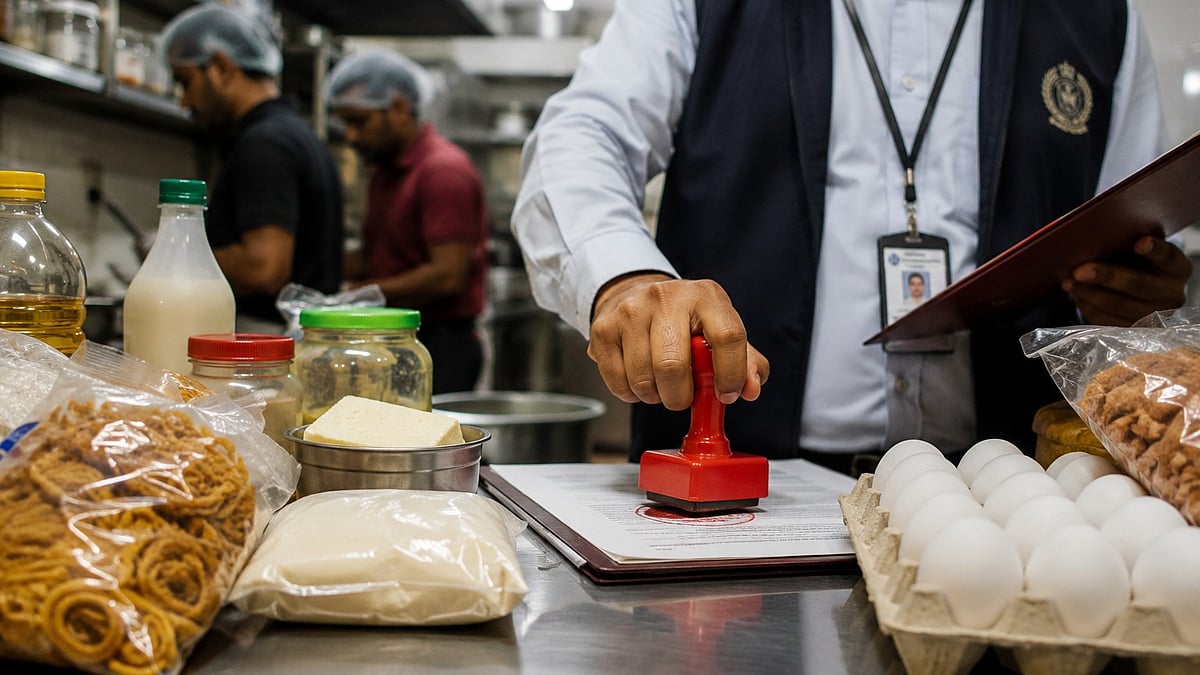
How Can Added Sugars Affect Babies?
Excessive consumption of added sugars is associated with several health concerns, including an increased risk of unhealthy weight gain and dental caries as children grow older. Regular exposure to sweetened foods may also influence dietary preferences.
However, the effects depend on factors such as the quantity consumed, the product's composition and the child's overall diet. The proposal does not mean that all sugars are harmful. Naturally occurring sugars in breast milk and age-appropriate foods must be distinguished from added sugars in processed products.

