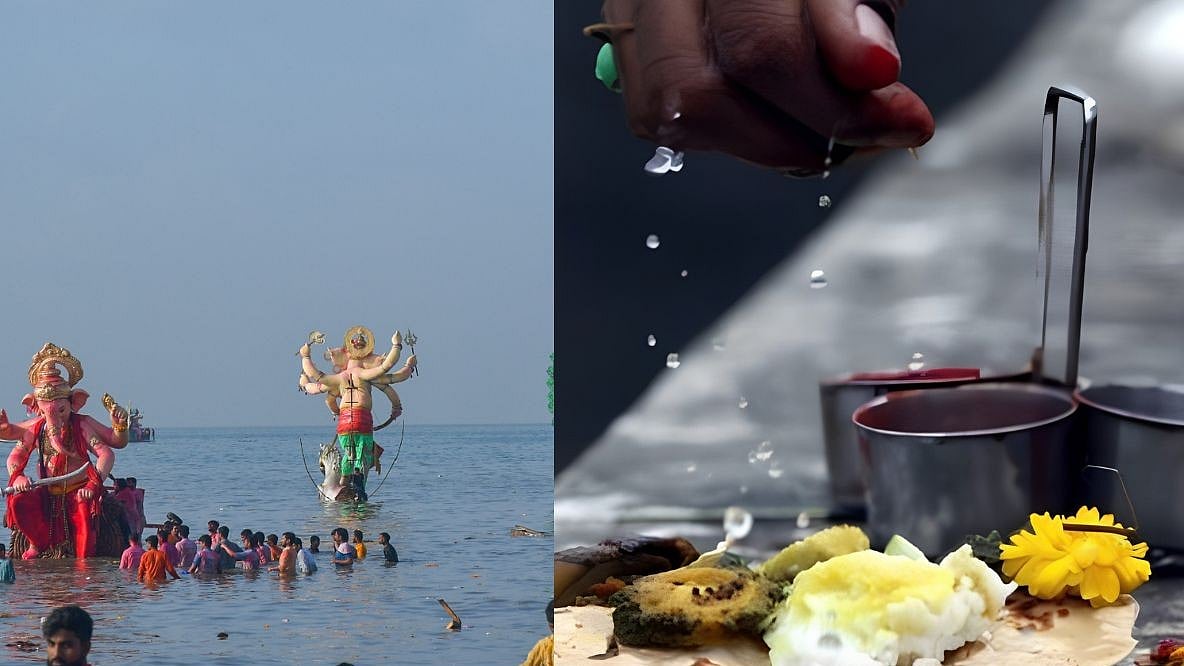
Devotees from across the country observed Anant Chaturdashi on Friday, September 2026, with regional fervour and vibrant celebration. The day is dedicated to Lord Vishnu, but it also marks the return of Lord Ganesha. After a day of Anant Chaturdashi, also known as Anant Chaudas, Bhadrapada Purnima is being observed on Saturday, September 26, 2026, which also marks Pitru Paksha.
Pitru Paksha is a 16-lunar-day period dedicated to remembering and honouring ancestors. During this time, many Hindus perform rituals such as tarpan, pind daan and shraddha to pay homage to departed family members and seek their blessings. In the Hindu calendar, Pitru Paksha generally falls after the grand celebrations of Ganesh Chaturthi and Ganesh Visarjan. But why does Pitru Paksha begin after Ganesh Visarjan?
Bhadrapada Purnima
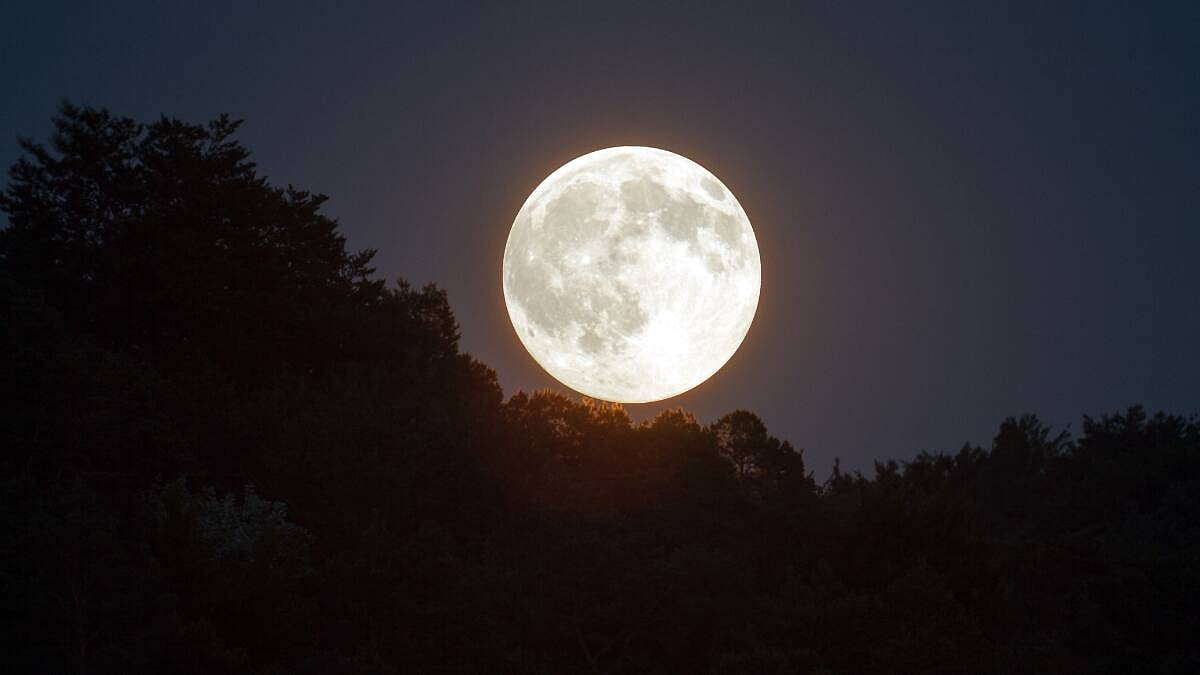
Bhadrapada Purnima is the sacred full moon day in the Hindu lunar month of Bhadrapada. It is believed that performing religious rituals and making donations with devotion on the full moon day brings happiness and prosperity to the home and helps devotees seek blessings for relief from financial difficulties.
Why Pitru Paksha follows Visarjan?
Ganesh Chaturthi is celebrated during the Shukla Paksha (waxing phase) of the Bhadrapada month. Devotees worship Lord Ganesha for several days before immersing the idol in water on different days, with Anant Chaturdashi being one of the most significant days for Visarjan.
After Anant Chaturdashi, the lunar calendar moves into the Krishna Paksha (waning phase) of Bhadrapada. This period is traditionally associated with Pitru Paksha, which culminates with Sarvapitru Amavasya, also known as Mahalaya Amavasya.
According to Hindu belief, this is the time when day and night are equal, known as the Autumnal Equinox. The sun is on the celestial equator, and just after the sun dips into the Southern Hemisphere, it enters the realm of Lord Yamraj.
Importance of Pitru Paksha
According to Hindu beliefs, performing Shraddha and offering food and water to ancestors during Pitru Paksha helps express gratitude towards one's forefathers. Families traditionally perform these rituals on the tithi (lunar date) corresponding to the ancestor's death.

