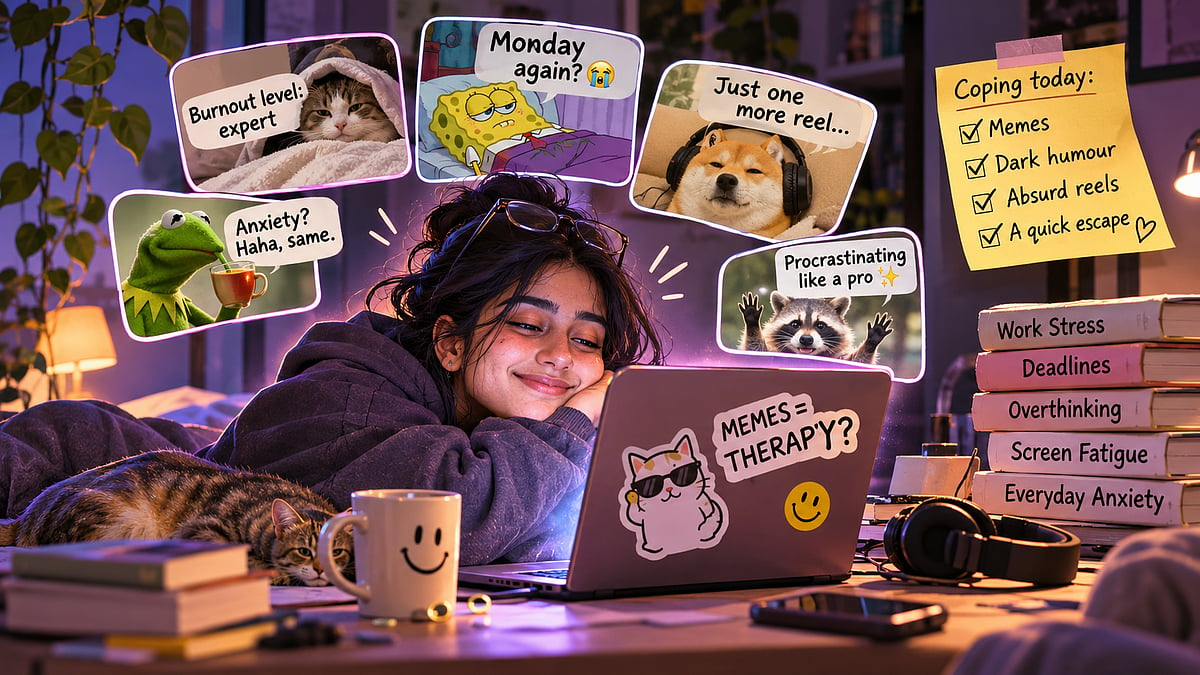
From memes about burnout and Monday blues to jokes about doom-scrolling and everyday anxiety, the internet has found a way to turn almost every stressful situation into comedy. As screen time increases and information overload becomes part of daily life, many people turn to absurd memes, sarcasm and dark humour for a quick laugh. But why do we find it easier to laugh at our problems than deal with them? Here are six reasons.
Humour makes stress manageable
When everything feels overwhelming, a funny meme can offer a moment of relief. Laughing at work stress, deadlines or everyday struggles can make difficult situations feel a little less serious.
Finding comfort
Memes about anxiety, burnout and social awkwardness often go viral because people recognise their own experiences in them. Seeing thousands of others relate to the same joke creates a sense of connection and reminds us that we are not alone.
Processing difficult emotions
Not every experience is easy to talk about. Dark humour allows people to approach uncomfortable subjects through irony and exaggeration. Sometimes, making a joke about a stressful situation feels easier than explaining how it actually makes us feel.
Dr. Harish Shetty, Psychiatrist at Dr. L. H. Hiranandani Hospital, says, “Just as viruses thrive in a malnourished body, primitive emotions can surface in a distressed society. Dark humour can sometimes help us acknowledge and process these uncomfortable feelings. Memes often reflect the collective angst of society, giving expression to emotions such as hate, revenge, betrayal and violence. By turning these difficult emotions into humour, people may find a way to confront realities that are otherwise hard to talk about.”
Quick mental breaks
After hours of work, studying or consuming news, scrolling through funny content can feel like an easy escape. Unlike lengthy videos or articles, memes offer instant entertainment and require very little effort to understand.
Laughing at ourselves
Jokes about procrastination, poor sleep schedules, unfinished tasks and questionable life choices have become internet favourites. Making fun of ourselves can help take the pressure off everyday imperfections, especially when others are laughing along.
Reel Amaan, a Gen Z content creator, says, “The younger generation is increasingly saturated with light-hearted jokes and is now drawn to dark humour and absurd memes for a different kind of thrill, much like the dopamine rush they get from online content. Personally, I feel this trend is only getting worse, as people constantly seek something more outrageous to keep themselves entertained. Self-deprecating jokes have also become a way to fit in with peers, laugh at awkward situations and avoid feeling embarrassed or judged. In a world overflowing with information, absurd memes and dark humour offer an easy escape from the seriousness and overload of everyday life.”
When scrolling overwhelms
While memes offer temporary relief, they can also keep us glued to our screens. One funny post leads to another, and what starts as a five-minute break can turn into an hour of scrolling. Sometimes, the content meant to help us escape screen fatigue ends up adding to it.
Raahi Doshi, a Gen Z graduate, says, “Understanding our emotions is important, rather than suppressing them. If we watch reels simply to avoid dealing with our feelings, that can become unhealthy. But if it is just for fun, it can be a great distraction. The problem begins when scrolling becomes overwhelming or irritating. Personally, I prefer watching a series or playing a game when I want to take a break, rather than endlessly scrolling through reels.”
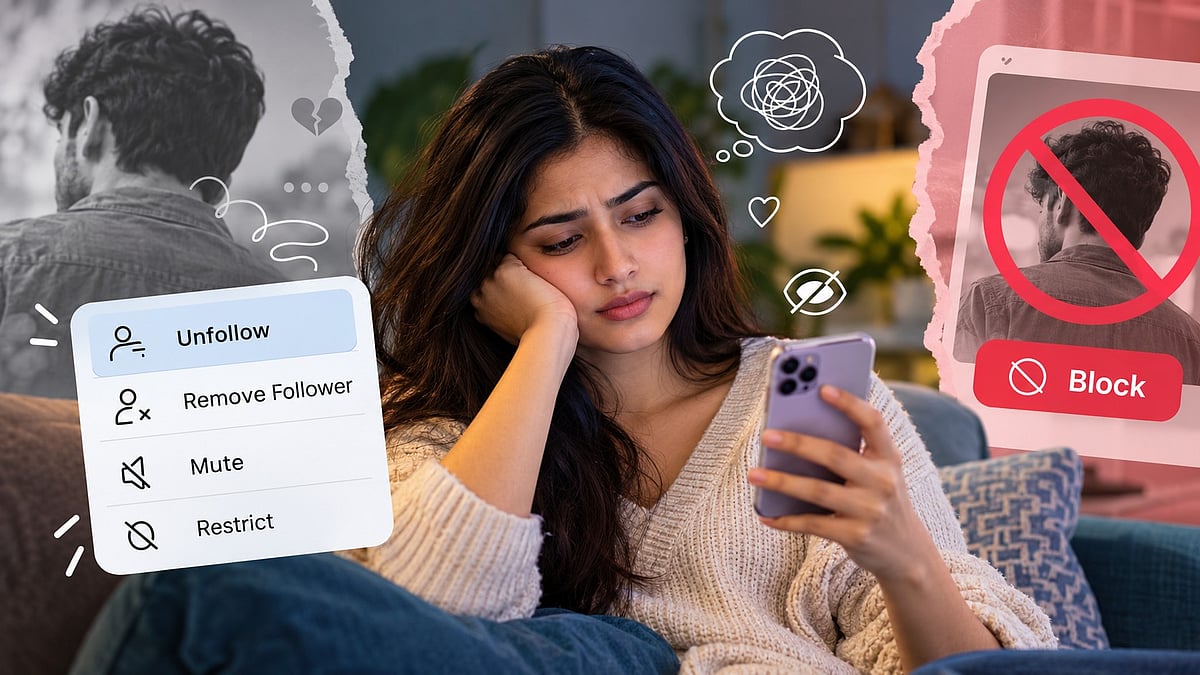
When does the scrolling stop?
Memes and dark humour can offer connection, entertainment and temporary relief, but they are not substitutes for proper rest or addressing stress. Sometimes, the best way to deal with digital fatigue is to put the phone down. After all, not every problem needs a meme, and not every break needs a screen.

