
Yashoda Jayanti is celebrated every year on the birth of Mata Yashoda, the foster mother of Lord Krishna. This auspicious day is predominantly celebrated in Uttar Pradesh (especially Mathura and Vrindavan), Rajasthan, Gujarat, and Maharashtra, especially in North India. Yashoda Jayanti is considered one of the special days as she nurtured Lord Krishna during his childhood. Know about its rituals, significance, and more in detail, which are mentioned below.
Yashoda Jayanti 2026: Meaning
Yashoda Jayanti marks the birth anniversary of Mata Yashoda, Lord Krishna's beloved foster mother. She is revered for her unconditional love, devotion, and nurturing nature, which symbolise motherhood at its purest.
Significance of Yashoda Jayanti
Symbol of selfless motherhood – Maa Yashoda is celebrated for her unwavering love and dedication to Krishna despite not being his biological mother.
Deep devotion to Krishna – Her love for Krishna is pure bhakti (devotion), showing how love transcends blood relations.
Cultural & religious importance – The day honours the sacred bond between a mother and child, emphasising motherly sacrifice and care.
Yashodha Jayanti tithi
Yashodha Jayanti is observed on the Krishna Paksha Shashthi (6th day of the waning moon) in the month of Phalguna (according to the North Indian lunar calendar) or Magha (in Amanta lunar calendar followed in Gujarat, Maharashtra, and Southern India).
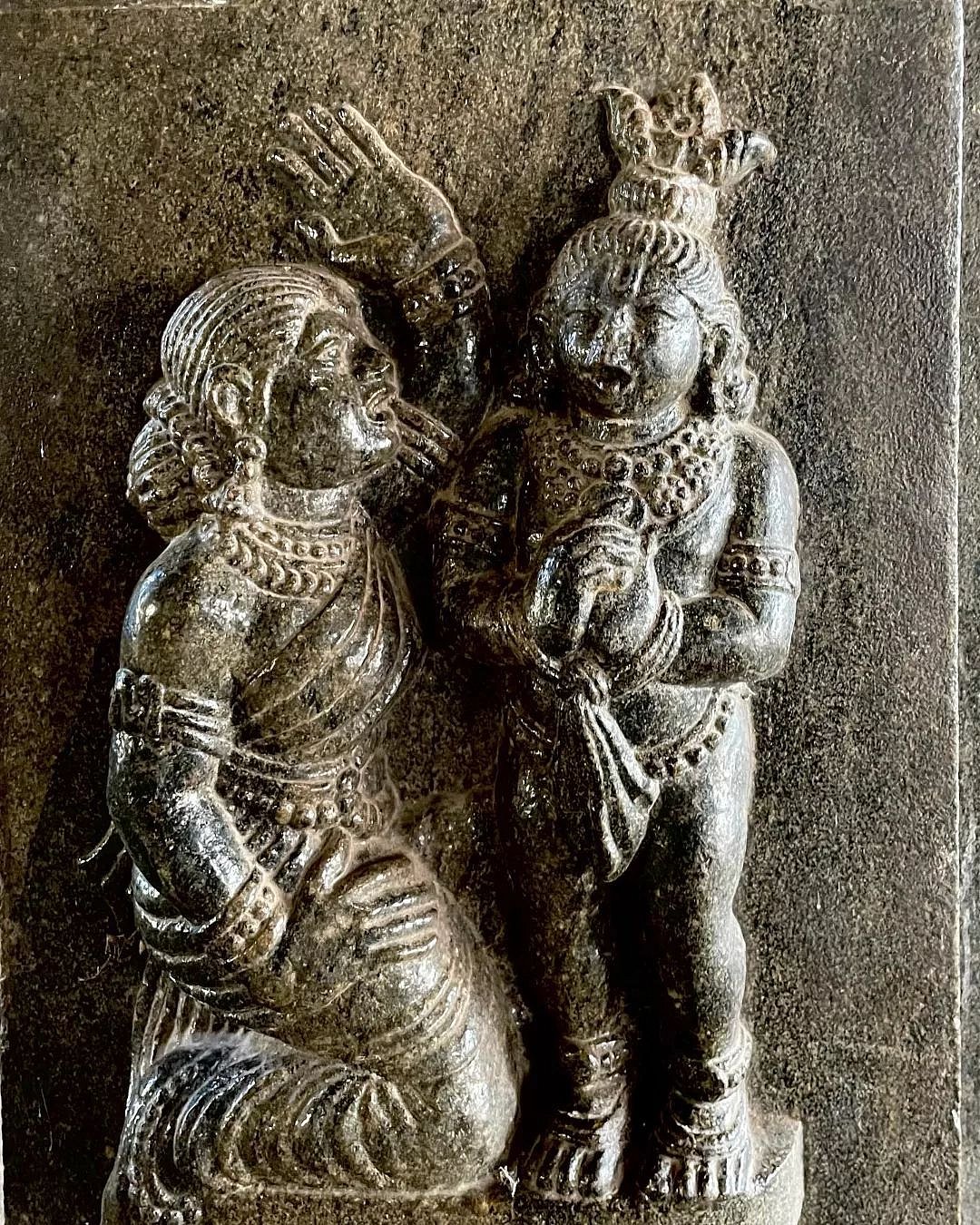
Yashoda Jayanti | X
Shashthi Tithi Begins - 01:18 AM on Feb 07, 2026
Shashthi Tithi Ends - 02:54 AM on Feb 08, 2026
Yashoda Jayanti is a beautiful festival that celebrates the eternal love between a mother and her child. It is a day to honour motherhood, devotion, and the spiritual connection between parents and children.

Rituals of Yashoda Jayanti
Wake up early in the morning and take a bath before sunrise. Devotees should visit the Lord Krishna Temple to offer flowers to God and chant Lord Krishna’s mantra. Many devotees observe fasts and offer prayers to Maa Yashoda and Lord Krishna as part of their worship. While honoring Lord Krishna, they should offer his favorite foods, such as makhan (butter) and mishri (sugar).

