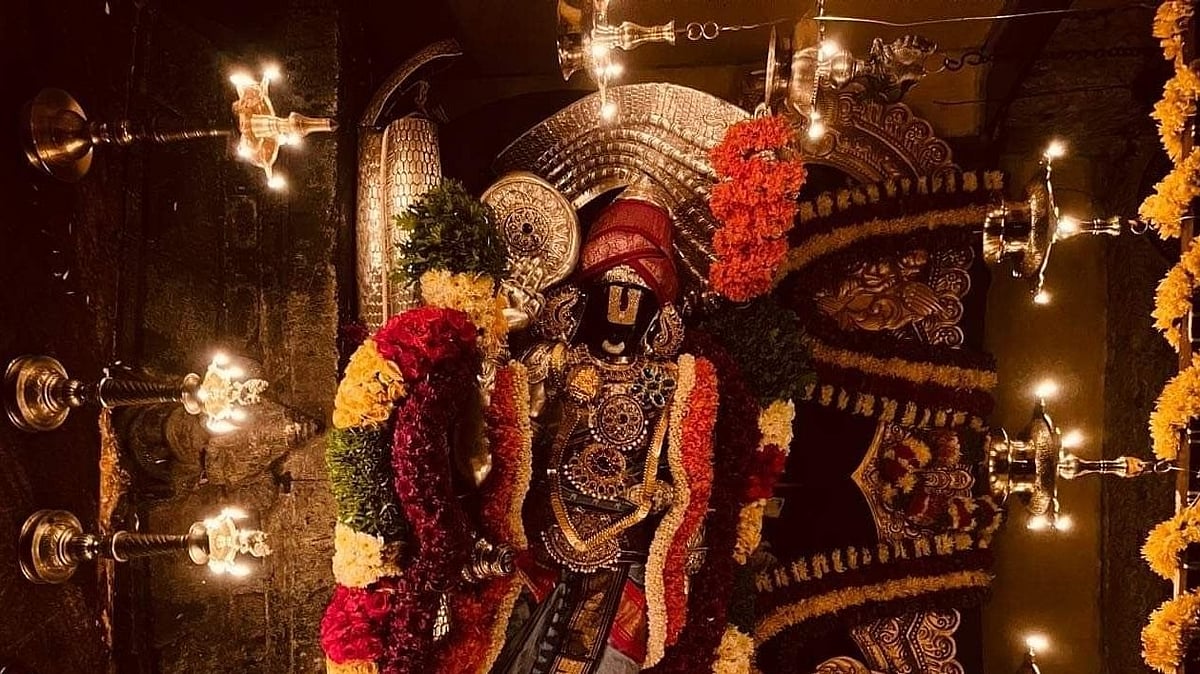
Parama Ekadashi is one of the most sacred Ekadashi observances in Hinduism. It falls during the Adhik Maas (extra lunar month), considered highly auspicious for spiritual practices, charity, and devotion. Devotees observe a strict fast and worship Lord Vishnu on this day, seeking blessings for prosperity, peace, and liberation from past sins.
Parama Ekadashi
According to religious beliefs, Parama Ekadashi occurs once every three years, making worship on this day particularly significant. Scriptures state that worshipping Lord Vishnu and reciting the Vishnu Chalisa on Parama Ekadashi alleviates many of life's hardships. It also opens the doors to happiness and prosperity, helping devotees achieve their desired results.
Parama Ekadashi 2026: Date and Time
According to Drik Panchang, Parama Ekadashi will fall on Thursday, June 11, 2026.
Ekadashi Tithi begins: 12:57 AM on June 11, 2026
Ekadashi Tithi ends: 10:36 PM on June 11, 2026
Parana time on June 12: 5:42 AM to 8:17 AM
Dwadashi end moment: 7:36 PM
Significance of Parama Ekadashi
Parama Ekadashi is dedicated to Lord Vishnu, the preserver of the universe. Hindu scriptures, especially the Padma Purana, describe the immense spiritual merit associated with observing this vrat. Fasting and offering prayers on this day help devotees attain prosperity, remove obstacles, and receive divine blessings.
The day is also ideal for charitable acts, reciting the Vishnu Sahasranama, reading sacred texts, and engaging in meditation. Many devotees visit Vishnu temples and participate in bhajans and religious gatherings.
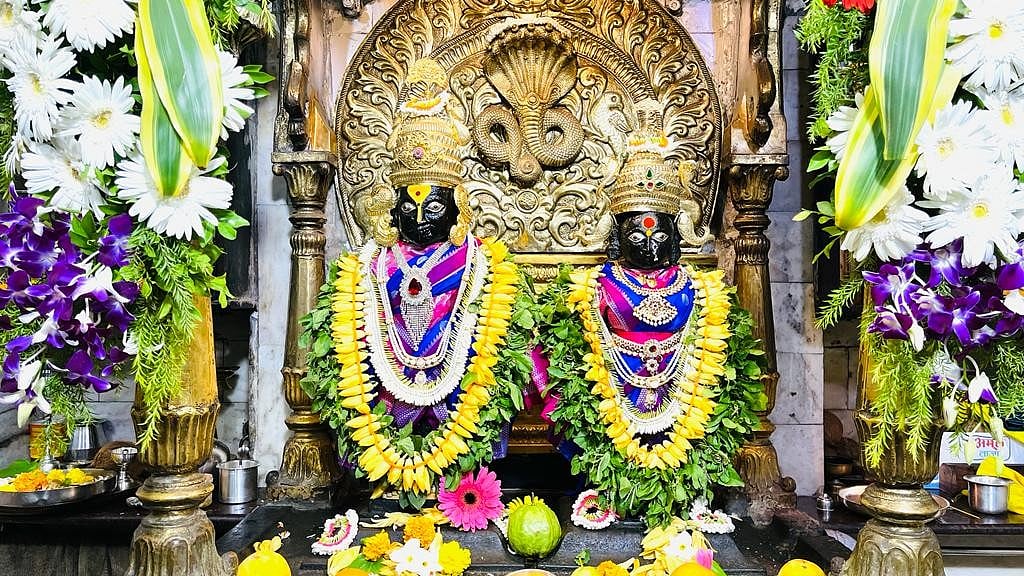
Rituals
On Parama Ekadashi, devotees wake up early, take a holy bath, and offer flowers, fruits, Tulsi leaves, and sweets to Lord Vishnu. Some observe a complete fast, while others consume only fruits and milk. The vrat concludes on Dwadashi with prayers, charity, and the breaking of the fast according to traditional customs. Parama Ekadashi remains a cherished occasion for spiritual growth, devotion, and self-discipline among Hindus worldwide.
Parama Ekadashi vrat katha
In ancient times, in the city of Kampilya, there lived a poor Brahmin named Sumedha with his wife, Pavitra. They were both very religious and hospitable, but their poverty often led them to go hungry. One day, Sumedha thought of going abroad to earn money. His wife, Pavitra, stopped him and said, "Whatever is written in one's destiny, one gets. We must be patient."
Some time later, Sage Kaundinya visited their home. The Brahmin couple treated him well. Pleased, the sage advised them to observe the fast of Parama Ekadashi (the Ekadashi of the bright fortnight of the Adhik Maas month) to alleviate their poverty. The couple followed the same thing and observed the fast. Lord Vishnu got pleased, which resulted in fulfilment of the couple’s desire, and they never faced poverty again in their life.

