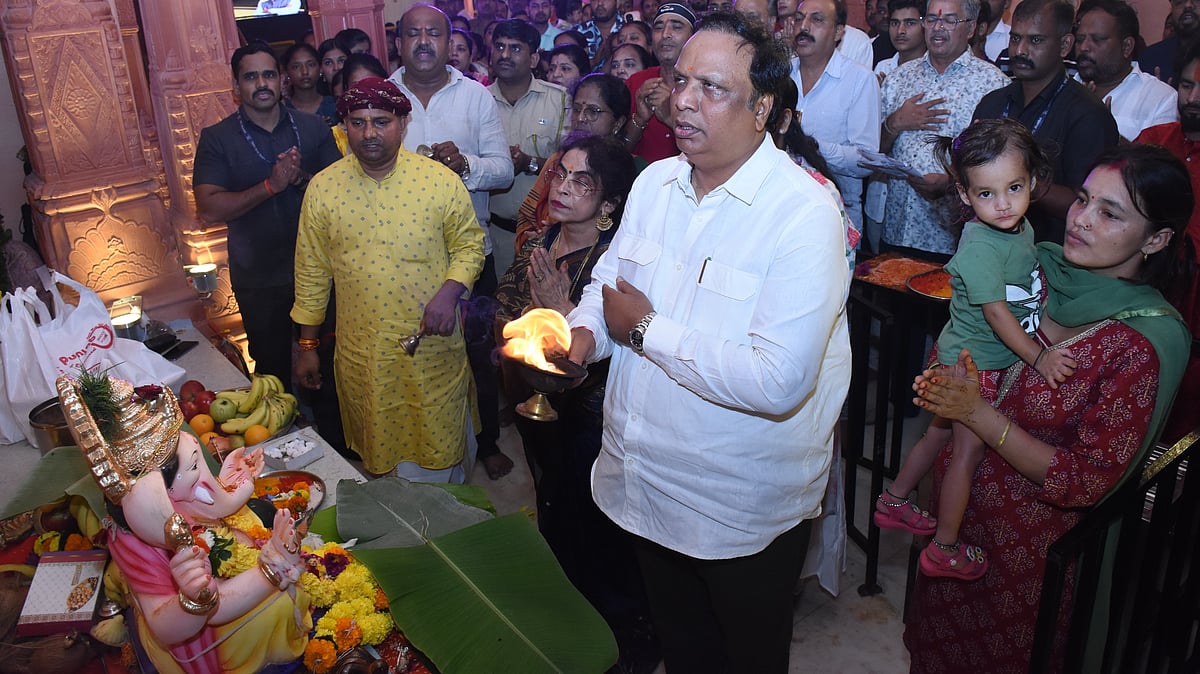
Born in Kumbhar Chawl at Saat Rasta, Ashish Shelar grew up watching Ganpati Bappa being welcomed into homes across the chawl and experiencing the grand Sarvajanik Ganeshotsav celebrations of Lalbaug.
When Ashish shifted to Bandra, he wanted to bring the same vibe and divinity to Bandra. And he adopted his neighbourhood Ganeshotsav.
Today that Ganeshotsav is one of the most popular ones in Mumbai.
Excerpts from the interview:
Did you get Ganpati at home in childhood?
Our ancestral home in Guramwadi, Malvan, in Sindhudurg district, welcomes Ganpati Bappa every year. But our father had settled in Mumbai even before we were born, so we never really got the opportunity to celebrate Ganeshotsav in Konkan. Instead, it was here in Girangaon that my bond with the festival really began.
Born in Kumbhar Chawl at Saat Rasta, I grew up watching Ganpati Bappa being welcomed into homes across the chawl and experiencing the grand Sarvajanik Ganeshotsav celebrations of Lalbaug. Also, my maternal grandparents were from Lalbaug, so the Chintamani Ganpati naturally became the Bappa of my maternal home.
What made it even more special was that our home was opposite what is now the Sant Gadge Maharaj Chowk and the immersion processions would pass right in front of our balcony. We would wait for hours to watch the idols go by, with the drums, the crowds and the enthusiasm of the celebrations.
I would also participate in the various competitions organised during the festival. So, in many ways, my connection with Sarvajanik Ganeshotsav goes back to my childhood. It is part of the memories and the culture I grew up with.
What is your best childhood memory of Ganpati?
I have many fond memories of Ganeshotsav from my childhood. Growing up in Girangaon, one of the things I looked forward to most was going around Mumbai at night to see the magnificent and towering idols in Girgaon, Gaodevi and Khetwadi.
But the real excitement was on the day of immersion. Since the idols going for immersion would pass right in front of our chawl, everyone wanted to find the best spot to watch the processions. People would climb onto the tiled roofs and sit there for hours just to get a good view.
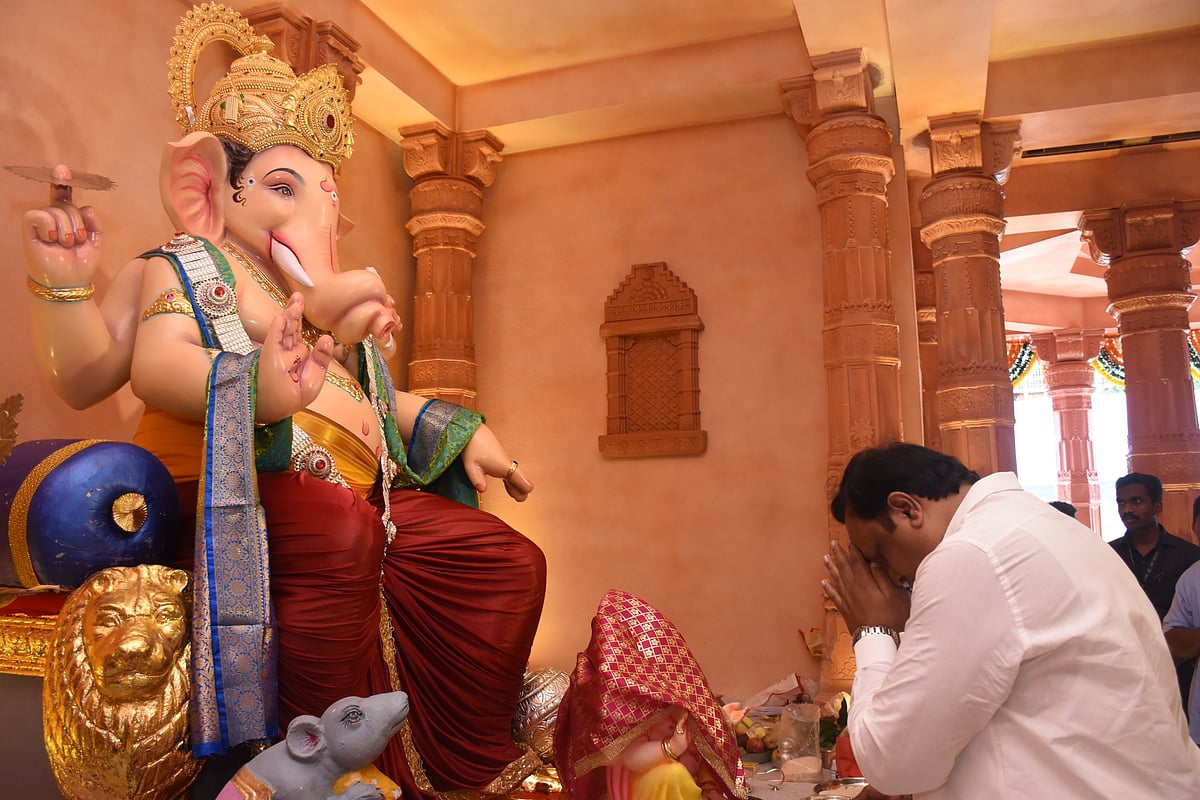
As children, we would eagerly compete to secure our spot before the immersion processions began in the evening. That excitement of waiting for the processions, finding a good place and watching the idols pass by is a memory that has stayed with me all these years.
What inspired you to adopt this Sarvajanik Mandal Ganpati?
Our Kumbhar Chawl in Girangaon was eventually demolished, and our family moved to Bandra West. That move brought me into a very different setting and, over time, planted a new idea in my mind. We lived in a MHADA transit camp, where people from different communities and backgrounds, including many Konkanis, lived together. Many families there also brought Ganpati into their homes.
At that time, my mother took up tailoring work, and my father had a small job. We were a middle-class family, and like most families, festivals brought their own excitement, preparation and togetherness. Whether it was Ganeshotsav or Holi, or Shimga as we call it, these celebrations gave me strong connection with Maharashtra’s cultural traditions.
The grand Ganeshotsav I had grown up with in Girangaon had left a lasting impression on me. I often wondered why we could not have a Sarvajanik Ganeshotsav of our own in Bandra West, even if it started on a small scale.
During my college years, when I was active in the Akhil Bharatiya Vidyarthi Parishad but not associated with any political party, a few of us youngsters came together and decided to make that idea a reality. In the first year, everyone contributed whatever they could from their own homes. We used sarees and other household materials to put together the décor and set up a small pandal. That small beginning became the foundation of what today our Sarvajanik Ganeshotsav is.
It's a Jyotirling set décor since last few years... any reason?
That is right. The Bandra West Sarvajanik Ganeshotsav Mandal has a tradition of more than 30 years. A few friends came together and started this celebration, and right from the beginning, we decided that every year, we would recreate a different temple for our décor. India’s temples are a remarkable part of our cultural heritage. Their architecture, craftsmanship and intricate detailing are truly extraordinary. We felt that Ganeshotsav could also become a way of showcasing this heritage and introducing more people to it.
Over the years, we have recreated magnificent replicas of the Sai Baba temple in Shirdi, the Vitthal temple in Pandharpur, the Tulja Bhavani temple, the Shantadurga temple in Goa, Badrinath, as well as several temples from Gujarat and Karnataka. As a tribute to Lokmanya Tilak, who gave the Sarvajanik Ganeshotsav a larger social purpose, we also recreated the historic Tilak Wada in Ratnagiri one year. Even during Covid, we made sure that this tradition did not stop. We celebrated Ganeshotsav while following all the necessary health and safety protocols.
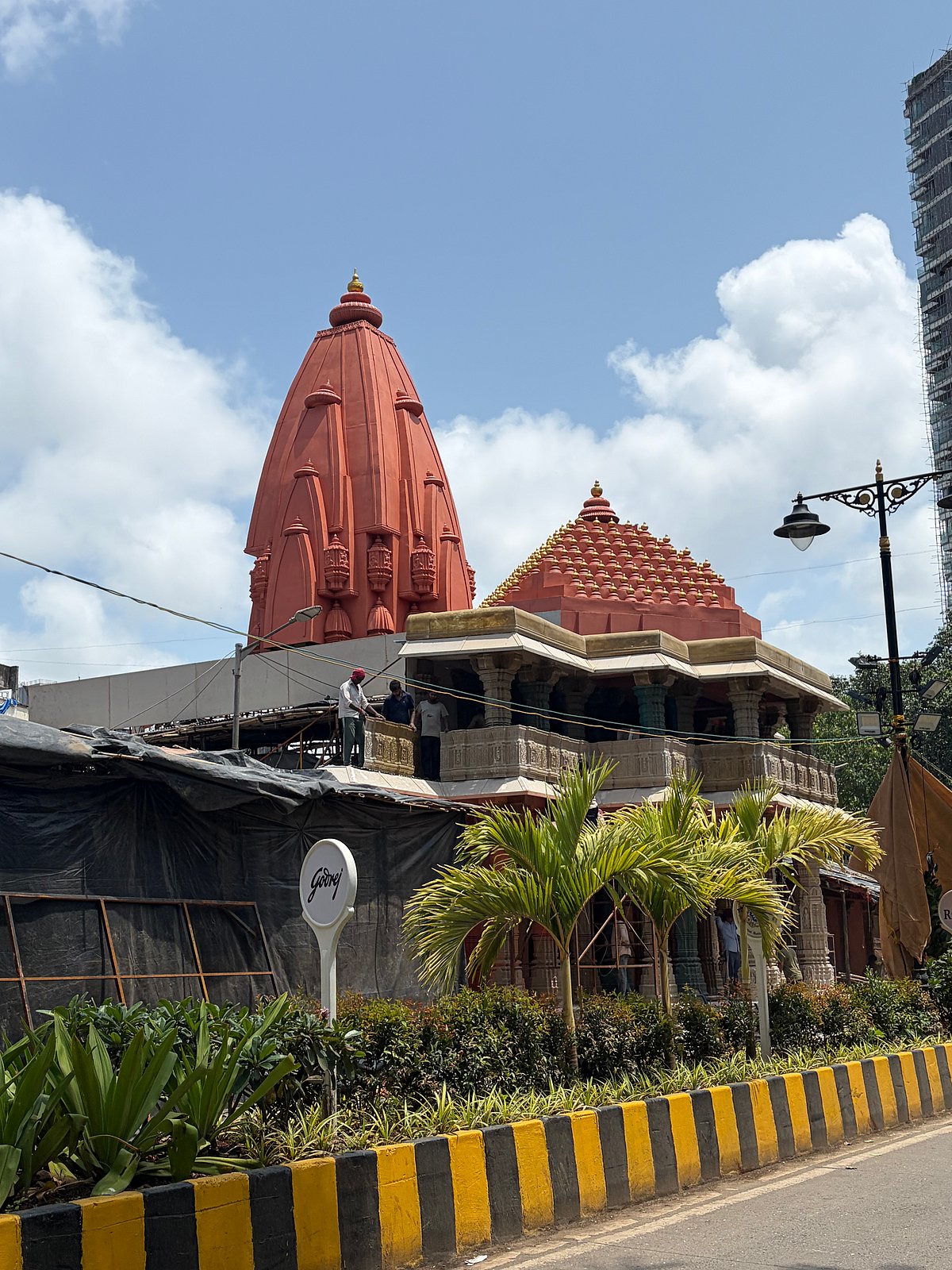
This year, we are recreating the magnificent Somnath Temple, which has a history of nearly 1,000 years. The replica is almost 100 feet tall and is being created on a grand scale. For us, it is not just about creating a grand décor. It is about celebrating Ganpati while bringing India’s rich cultural and architectural heritage closer to people.
Do you recall any miracle related to your Sarvajanik Ganpati?
I have immense faith in Ganpati Bappa. My wife, Adv. Pratima, is also a devotee of Ganpati. I come from a simple middle-class family, and whatever I have achieved in life has been a long journey. I would not call any incident a miracle, but I do believe that Ganpati Bappa’s blessings have brought me this far.
The Covid period was particularly significant. We were determined that the tradition of Ganeshotsav should not be disrupted. At the time, the state government had imposed several restrictions on the festival, raising serious questions about how Ganeshotsav could be celebrated.
We opposed these restrictions and decided to take the fight to court. There were also restrictions on celebrating Ganeshotsav on the streets, and we fought that battle all the way to the Supreme Court. We won. Even today, as you can see, we continue to fight legal battles concerning PoP Ganpati idols and the celebration of Ganeshotsav.
So far, we have succeeded in every battle we have taken up. I see that not just as a victory, but as Ganpati Bappa’s blessings.
What are the parameters to choose designer and executors?
Every year, when we recreate a grand temple, two things are particularly important. First, there should be a special significance behind choosing that temple that year. For instance, if a temple is completing 100 or 1,000 years, we choose to recreate it to mark that occasion. Secondly, we pay great attention to authenticity. The idol in the original temple, its placement and even its orientation are carefully studied. In our replica, we follow the same arrangement and direction for the original deity before installing Ganpati Bappa.
We also conduct a detailed study of the temple’s architecture. Every aspect is examined closely, from the pillars and their intricate craftsmanship to the colours, proportions, height, dome, pinnacle and every other distinctive architectural element are carefully examined and recreated.
Our aim is not simply to build something that looks like the original temple. We want people to experience its character and appreciate the craftsmanship that makes it unique. I believe this attention to detail is what has made the Bandra West Sarvajanik Ganeshotsav Mandal a major attraction for devotees over the years.
What's that one thing you still have not managed to do and you want to do related to the Ganeshotsav?
One thing I still want to achieve is to see Ganeshotsav recognised on the UNESCO list of Intangible Cultural Heritage.
I have always believed that Ganeshotsav deserves that recognition. After taking charge as Minister for Cultural Affairs, one of the first things I pursued was giving Ganeshotsav the status of a ‘Rajya Mahotsav’. It was under the Hon’ble Chief Minister Devendra Fadnavis Ji’s government that Ganeshotsav was accorded this status, and we are now in the second year of that recognition.
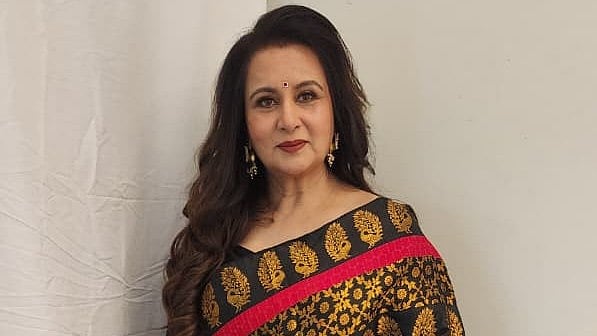
The next step is to systematically document the scale, diversity and significance of the festival and present it to the world. Ganeshotsav has a tradition of more than 100 years and carries immense mythological, historical, cultural and social significance. What makes it truly unique is the scale at which it is celebrated, not just across Maharashtra but by communities across the world, at the same time.
We need to bring greater coordination to the celebrations, expand the range of activities and programmes, and scientifically collect and document data on them. This should also include the countless families across Maharashtra who have been celebrating Ganeshotsav in their homes for generations, often with their own unique traditions and social initiatives. Their stories and the diversity of these celebrations also deserve to be documented and made accessible to the world through digital platforms.
That is the larger vision we are working towards. It will require collective participation, proper documentation and, above all, coordination. If we succeed in getting Ganeshotsav onto the UNESCO list, I will consider it the greatest blessing Ganpati Bappa could bestow upon me.

