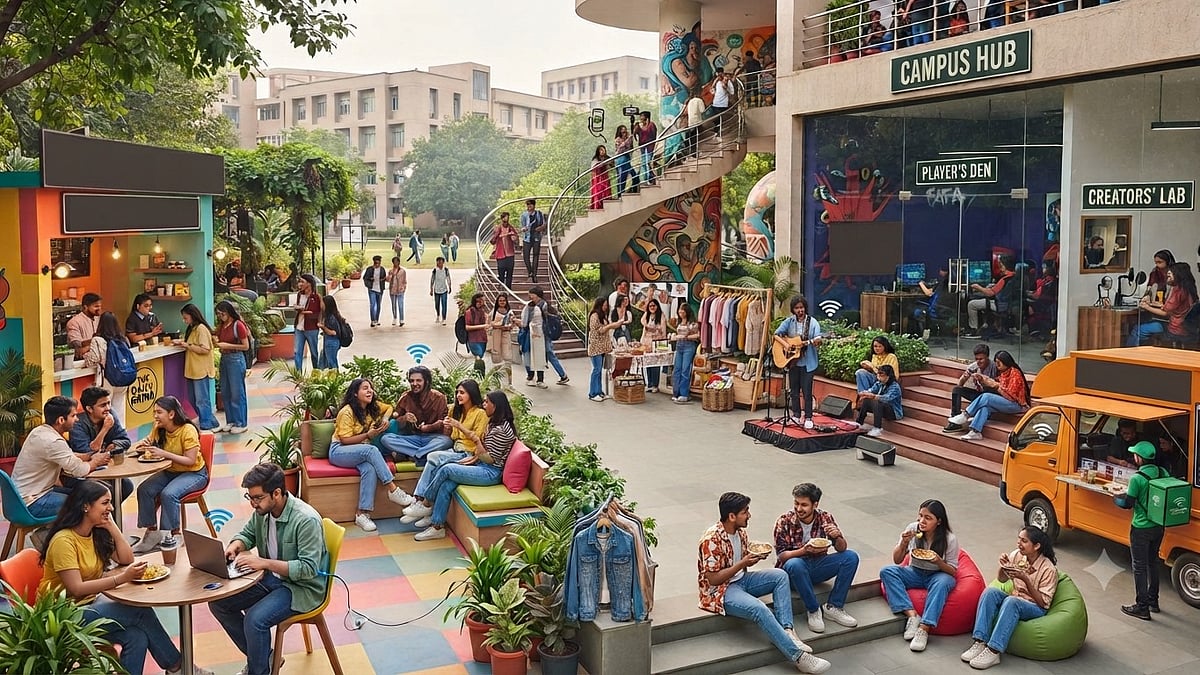
Forget impressive gates, marble buildings and a giant auditorium. Or the in-campus placements or lecturers’ quality. In 2026, campus coolness is measured in much more practical—and occasionally ridiculous—ways.
Here’s the unofficial Gen Z campus checklist.
Wi-Fi test: Fast, reliable Wi-Fi is no longer a luxury. If it disappears during an assignment upload, students will remember.
Coffee, please: A decent café or coffee machine can turn an ordinary campus hangout into the hangout.
Charging-point hunt: Sockets near seating are campus real estate. Extra points for USB-C charging.
Instagram-worthy corners: Good lighting, colourful walls, quirky installations or a photogenic staircase? Someone is going to make it a Reel.
Food that doesn’t break the bank: Momos, sandwiches, noodles, cold coffee, regional snacks and the occasional indulgence—provided student budgets can survive it.
Somewhere to just… exist: Comfortable seating, greenery and shaded corners matter. Not every minute on campus needs to be productive.
Clubs with personality: Beyond the traditional drama and debate clubs, students want gaming, K-pop, podcasts, photography, memes, filmmaking, entrepreneurship and everything in between.
A proper gaming zone: Esports, chess, gaming tournaments or even a casual FIFA match can bring people together faster than a formal orientation programme.
Events worth leaving the hostel for: Open mics, flea markets, comedy nights, gigs, workshops, movie screenings and unusual competitions beat another three-hour seminar.
Thrift is in: Clothing swaps, thrift pop-ups and upcycling workshops combine fashion, individuality and sustainability.
A place to create: Podcast rooms, music studios, editing bays, photography spaces or simply a quiet room where students can make things are major campus currency.
Career help that feels real: Students want conversations with founders, creators and young professionals—not just another PowerPoint about “success”.
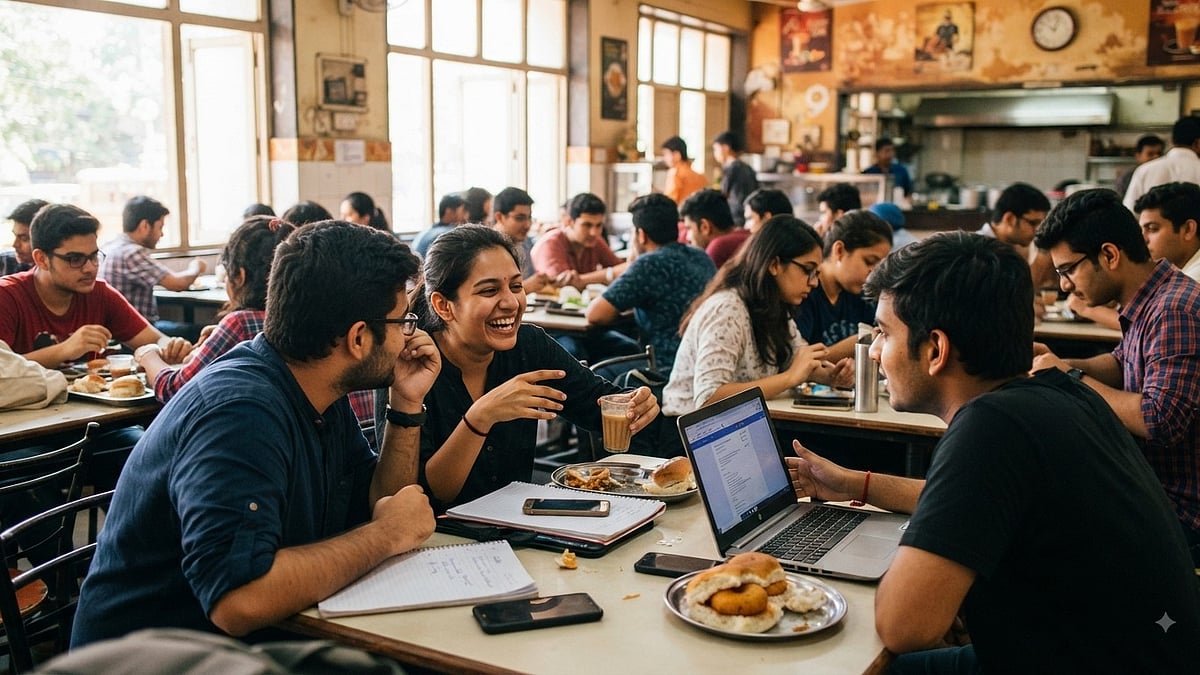
Mental-reset zones: Quiet rooms, wellness activities and accessible support can make a campus feel considerably more human.
Food delivery-friendly: Because sometimes the canteen simply isn't calling. Easy delivery access is a surprisingly important campus perk.
The vibe: This one is impossible to put on a brochure. Is the campus welcoming? Can students be themselves? Do people actually hang around after class?
Ultimately, a cool campus isn't necessarily the one with the fanciest infrastructure. It is the one that gives students places to meet, things to discover, room to create and enough freedom to make the campus feel like theirs.
In 2026, cool isn't about looking expensive. It's about feeling alive.

