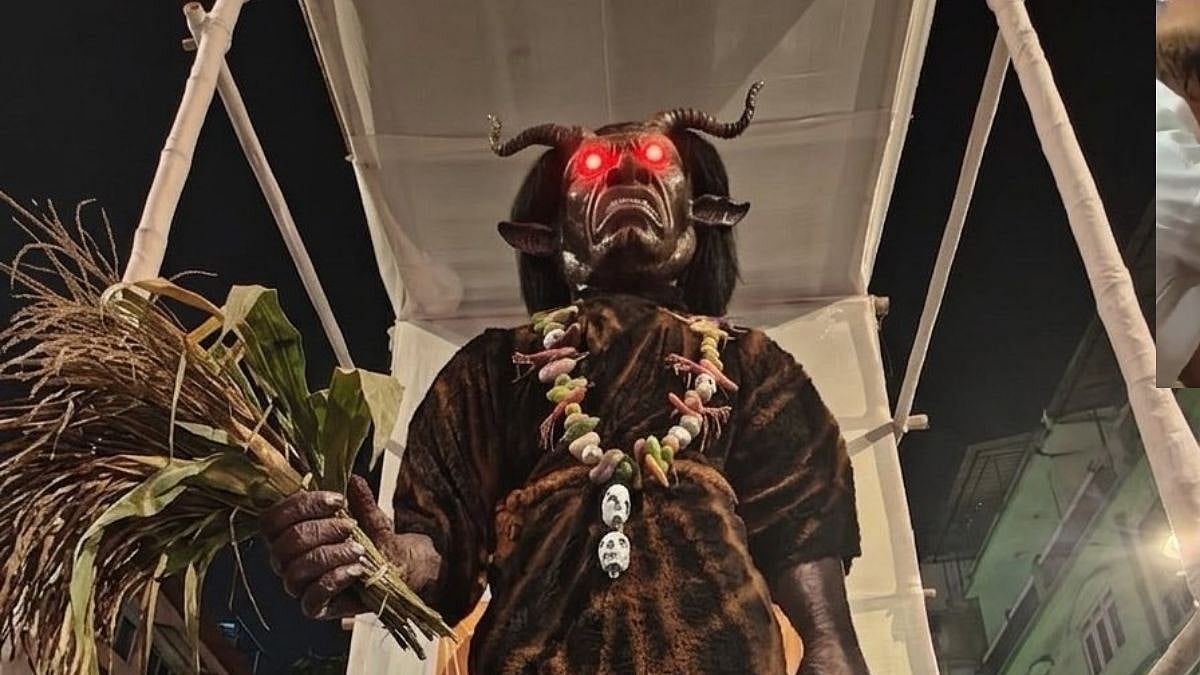
The annual Rankey Bhoot celebration has once again lit up the streets of Namchi in South Sikkim, drawing thousands of locals and visitors to witness one of the state's most unique cultural traditions. Known for its dramatic torch procession, masked performers and vibrant community participation, the festival is an important part of Sikkim's cultural heritage. The centuries-old Mela came alive on Thursday, July 16, 2026, and it will run until Friday, July 17, 2026. Keep on reading to know more about the festival that symbolises burning of evil.
What is Rankey Bhoot?
Rankey Bhoot is a traditional ritual celebrated primarily in Namchi to symbolically drive away evil spirits and negative energies. The word "Bhoot" means spirit or ghost, while the celebration represents the victory of positivity, peace and prosperity over misfortune. Although the event has evolved over the years into a major public celebration, it continues to preserve its deep-rooted cultural and spiritual significance.
The iconic torch rally
The two-day Namchi Rankey Mela 2026, being held on July 16 and 17 under the theme of "Where Legacy Becomes Heritage, and Heritage Inspires the World". The festival has drawn visitors, artists and local communities from across the state to celebrate Sikkim's rich folklore, traditions and cultural identity.
The highlight of the festival is the spectacular torch rally, where participants carrying flaming torches march through the streets after sunset. The glowing procession creates a striking visual display as people chant, sing and celebrate together. Many participants also wear traditional attire and masks, adding to the festive atmosphere.
Origins of Rankey Mela
According to local belief, the fire and loud celebrations help ward off negative forces while welcoming good fortune for the community. The event also reflects the region's strong sense of unity, with people of all ages taking part in the procession.
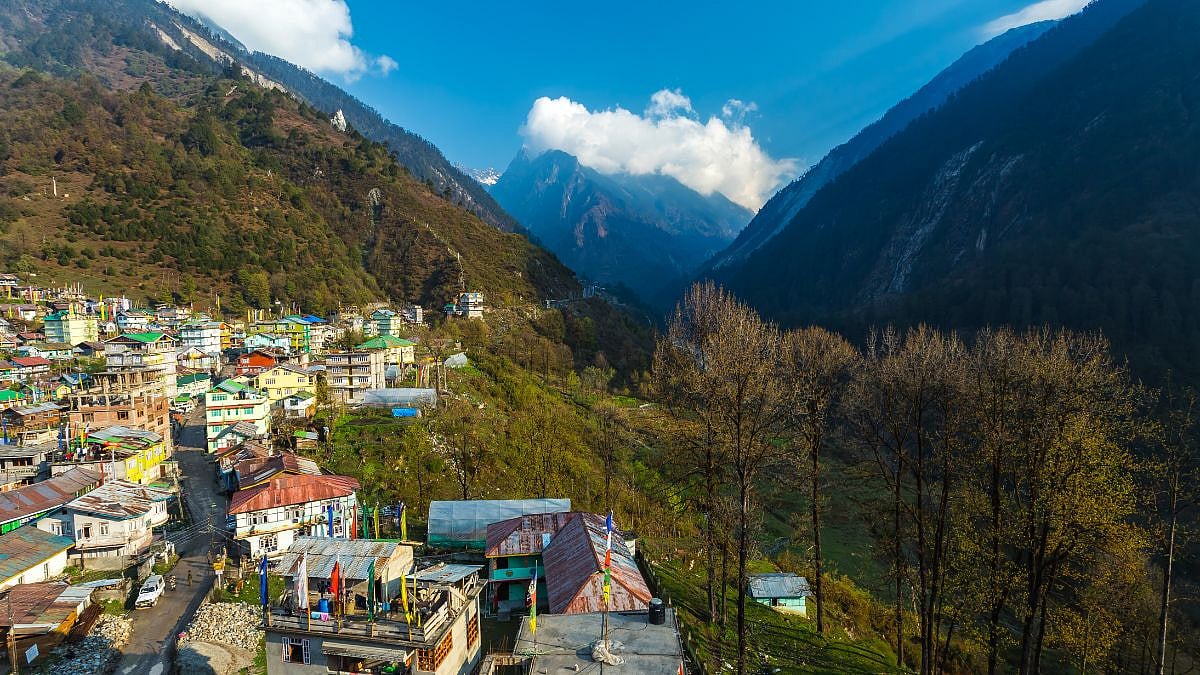
According to organisers, the Rankey Mela traces its origins back several centuries. As per historians, during the 18th century, the Sikkim Maharaja (Chogyal), through the Lasso Kazi of Namchi, directed that the festival be preserved for the welfare of the people. Since then, it has evolved into one of South Sikkim's most significant annual cultural events.

