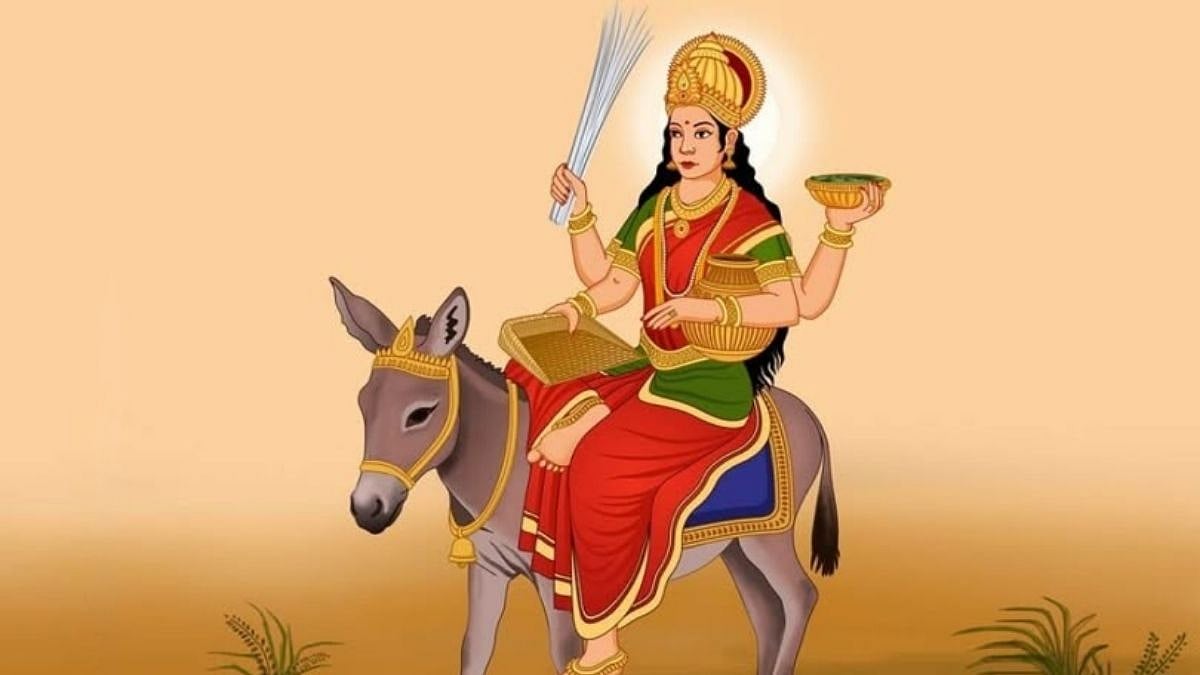
Randhan Chhat is a traditional Hindu festival observed mainly in Gujarat and parts of Rajasthan and Madhya Pradesh. The festival is associated with Goddess Shitala and is marked by preparing food in advance, as devotees traditionally avoid lighting the kitchen stove or cooking on the following day. Randhan Chhat is observed during the Krishna Paksha of the Hindu month of Shravan.
Randhan Chhat 2026 date and muhurat
In 2026, Randhan Chhat will be observed on Wednesday, September 2, 2026. The festival is celebrated a day before Shitala Satam, which falls on September 1 this year. On Randhan Chhat, women traditionally prepare different dishes and snacks that can be eaten the next day.
According to Drik Panchang, the muhurat are as follows:
Shashthi Tithi Begins - 09:42 AM on Sep 02, 2026
Shashthi Tithi Ends - 07:55 AM on Sep 03, 2026
Ritual
Devotees generally perform the rituals and prepare food during the daytime on Randhan Chhat. On this day, devotees wake up early in the morning and take a bath, wear a new cloth and visit Goddess Shitala temple. Families usually complete their cooking before sunset and keep the prepared food ready for Shitala Satam.
Significance of Randhan Chhat
The word ‘Randhan’ refers to cooking, while ‘Chhat’ refers to the sixth lunar day, or Shashti. The festival symbolically marks the final day on which devotees cook food before observing Shitala Satam.
According to tradition, Shitala Mata is worshipped for protection from diseases and for the well-being of family members. On Shitala Satam, devotees avoid lighting fire in the kitchen and eat the food prepared on Randhan Chhat. The practice is also believed to promote cleanliness, restraint and respect for traditional food customs.

Women in many Gujarati households take the lead in preparing an elaborate variety of dishes, including sweets, savouries and traditional meals. The festival therefore combines religious devotion with family traditions and community celebrations.
Randhan Chhat continues to hold cultural significance in Gujarat, with families following the custom as a way of preserving an age-old tradition associated with Shitala Mata and Shitala Satam.

