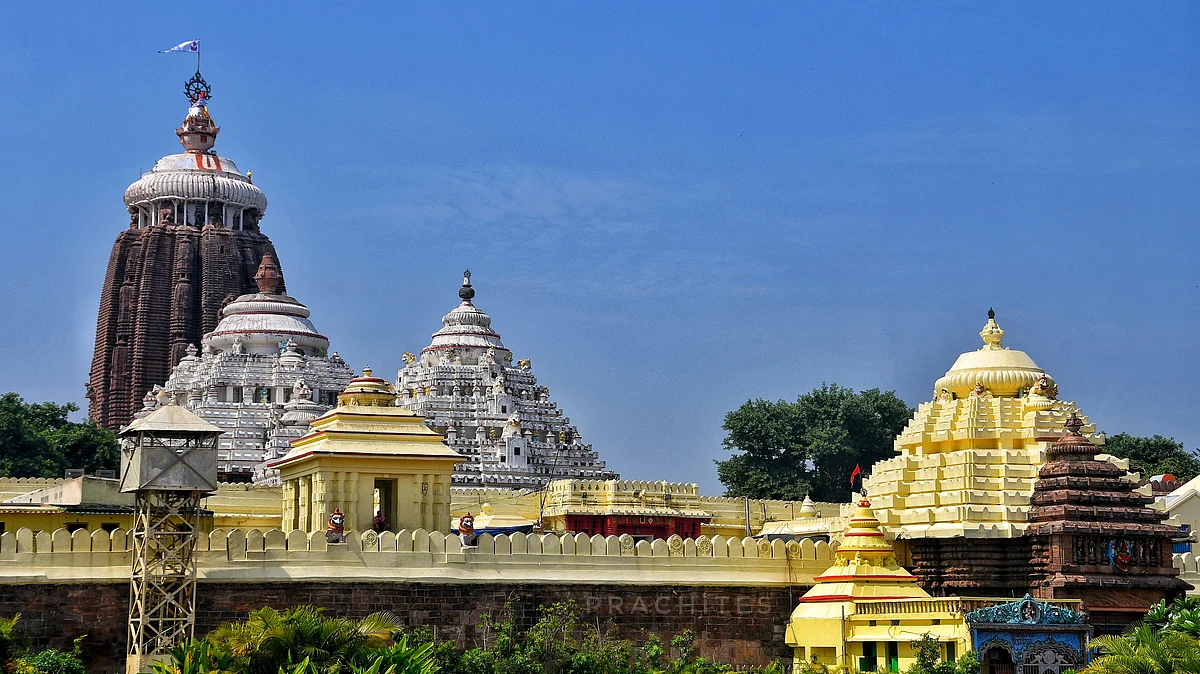
Jagannath Temple is one of the most revered temples in India, known for its Rath Yatra, the chariot festival conducted every year. The temple is also part of the Bada Char Dham of India. Every year, when the Rath Yatra festival is conducted, people from around the world come and participate in large numbers to witness the grand festival and Lord Jagannath with his siblings, who come out from the sanctum to visit his maternal aunt's home.
There are many stories about Lord Jagannath and his Rath Yatra, but do you know that one of Mahaprabhu's favourite foods is Poda Pitha, also known as Podo Pitha, which he eats at his aunt's home, Mausi Maa Temple, every year during Rath Yatra? But what exactly is Poda Pitha, and how is it made? Read the article to know about it and the legends behind it.
What is Poda Pitha?
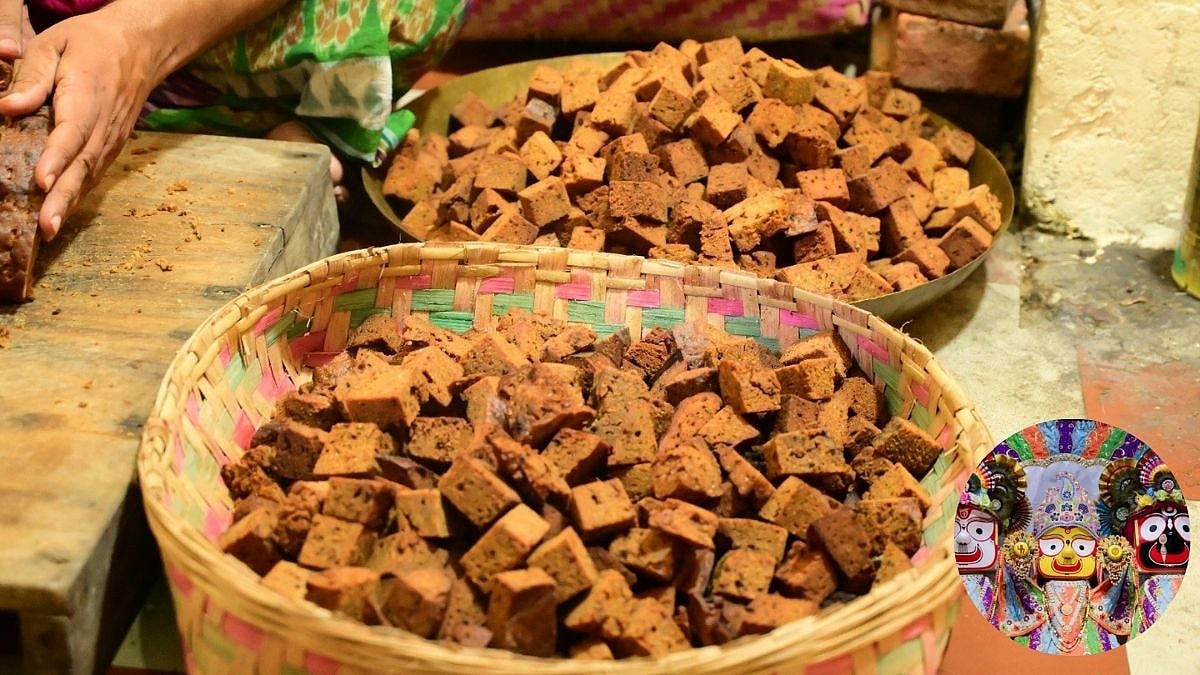
Poda Pitha is a traditional slow-baked rice cake that is famous for its caramelised, slightly burnt crust and soft, aromatic inside. The name means "burnt cake" in Odia (poda for burnt, pitha for cake). The base of the cake is made from a fermented batter or dough of soaked rice and black gram (urad dal). Poda Pitha is mixed with grated coconut, jaggery or sugar, ghee, crushed ginger, black pepper, and cardamom. It is then wrapped in sal or banana leaves and slow-cooked over a wood fire or earthen oven, often overnight using embers and cow dung cakes, giving it a distinct smoky, caramelised flavour.
Sacred offering during Bahuda Yatra
Poda Pitha is offered to Lord Jagannath during Bahuda Yatra, specifically when the chariots halt at the Mausi Maa Temple (Ardhasani Temple) on the Grand Road in Puri during the return journey from the Gundicha Temple. In 2026, Poda Pitha was offered to Lord Jagannath on Friday, July 24, 2026.
Legend behind the tradition
Lord Jagannath eats Poda Pitha at the Mausi Maa Temple during his return journey (Bahuda Yatra) because it honours a divine promise made to his maternal aunt, who lovingly prepares this traditional sweet cake out of deep family love and devotion.

