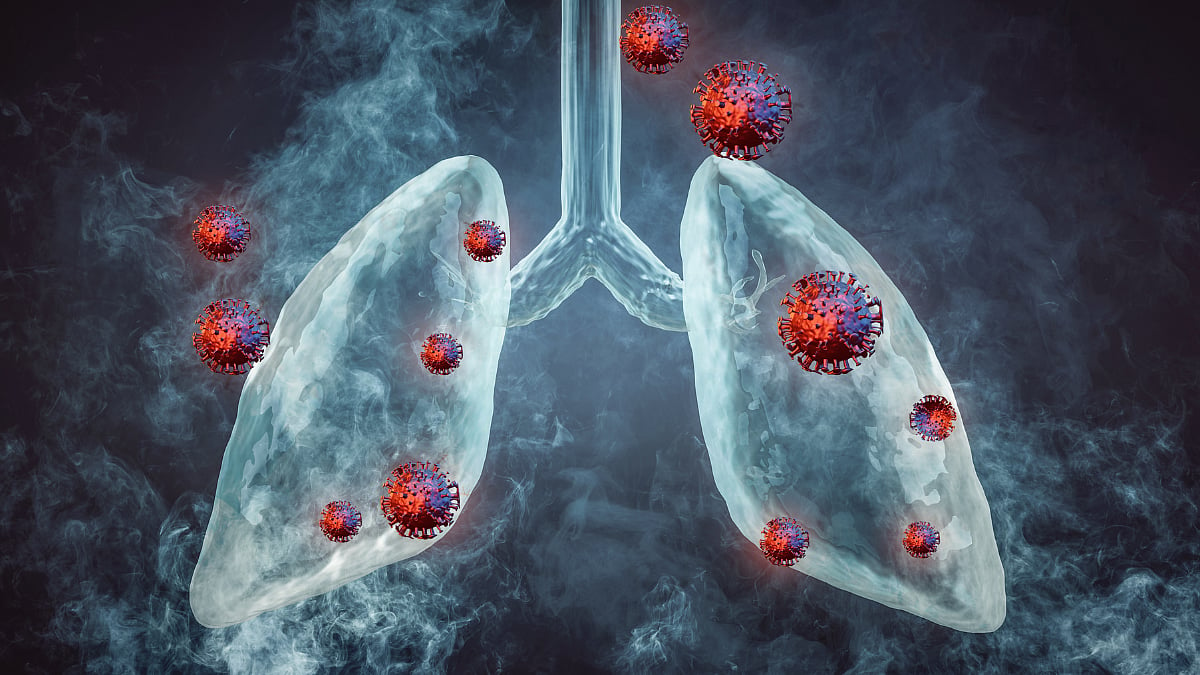
A reported death of 28-year-old lab technician Darya Shipilova at Russia’s Anti-Plague Research Institute in Siberia has drawn attention after a laboratory technician developed pneumonia of “unknown” origin, as per CNN. The fatality has triggered concerns about a possible case of pneumonic plague, although official reassurances have been reported. With the disease known for its rapid progression, here is what to know about the infection and its symptoms.
What is pneumonic plague?
Plague is a serious infectious illness caused by the bacterium Yersinia pestis. According to Mayo Clinic, the bacteria primarily live among small rodents and their fleas, with flea bites being the most common way humans contract plague.
Pneumonic plague specifically affects the lungs. It can develop when the infection spreads from the lymph nodes to the lungs, or when the lungs are affected directly.

As per medical reports, the disease can progress quickly, with symptoms potentially beginning within just a few hours after exposure and worsening rapidly. Pneumonic plague is considered the most serious form of plague and is the only form that can spread from person to person.
What are the symptoms?
According to the Centers for Disease Control and Prevention (CDC), pneumonic plague can cause fever, headache and weakness, followed by rapidly developing pneumonia.
People may also experience shortness of breath, chest pain and cough. The cough can sometimes produce bloody or watery mucus, which is among the symptoms associated with the infection.
The timing can also be concerning. Following inhalation of infectious material, the incubation period for pneumonic plague can be as short as one day, meaning symptoms may appear relatively quickly.
How does pneumonic plague spread?
As reported by CDC, pneumonic plague can develop when bacteria reach the lungs in someone with untreated bubonic or septicaemic plague. It can also occur when a person inhales infectious droplets released through coughing by another person or animal with pneumonic plague.
Because pneumonic plague can be transmitted between people, it is distinct from other forms of plague in its ability to spread through infectious respiratory droplets.

The reported Siberian death has therefore prompted concerns around pneumonic plague, but the information provided describes the pneumonia as being of “unknown” origin; it does not establish that the technician had pneumonic plague.
Disclaimer: This article is for informational purposes only and should not be considered a substitute for professional medical advice. Always consult your doctor for any concerns or questions regarding your health or medical condition.

