
The Gujarat government has issued a fresh health advisory following the deaths of 22 children linked to the Chandipura virus (CHPV). Nevertheless, the Gujarat health department has confirmed that not all the cases that are reported to be due to the Chandipura virus. But the deaths of children have prompted authorities to strengthen surveillance and preventive measures in affected districts. Health officials have urged people to remain vigilant, especially during the monsoon season, when the virus is more likely to spread.
22 children's deaths in Gujarat; not every case is Chandipura virus
According to Gujarat's Health Minister Praful Panseriya, the state has recorded 184 suspected cases so far, of which 35 have tested positive for Chandipura virus. The Chandipura virus outbreak has resulted in 22 child deaths. The results of 11 samples are still awaited, while seven children are currently undergoing treatment in government hospitals. Six patients have recovered and have been discharged.
What is Chandipura virus?
Chandipura virus (CHPV) is a rare but highly dangerous virus belonging to the Rhabdoviridae family. It was first identified in 1965 in Chandipura village near Nagpur, Maharashtra, from where it gets its name. The virus primarily affects children under the age of 15 and can lead to severe inflammation of the brain, known as acute encephalitis.
How does it spread?
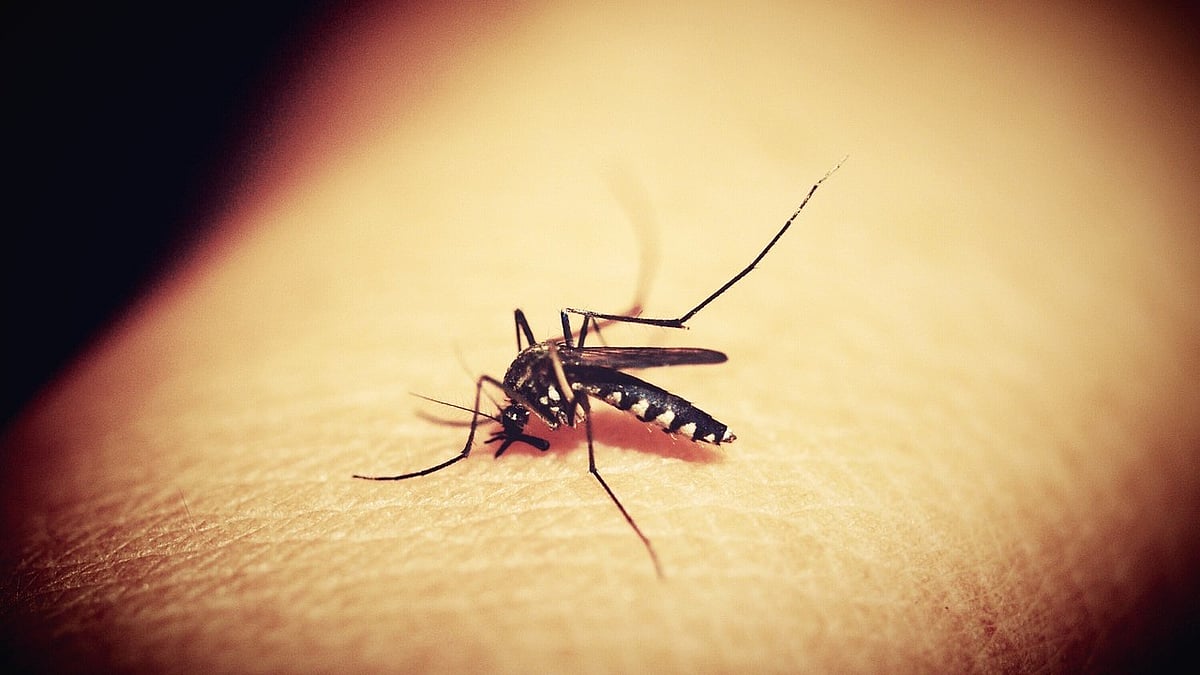
The virus is mainly transmitted through the bite of infected sandflies, although mosquitoes and ticks are also being studied as possible carriers. It does not usually spread directly from one person to another. Cases are reported more frequently during the monsoon and post-monsoon months, when insect populations increase.
Symptoms to watch out for
Chandipura virus infection develops rapidly. Common symptoms include: high fever, severe headache, vomiting, convulsions (seizures), altered consciousness or confusion, and, in severe cases, it can result in loss of consciousness.
There is no specific antiviral treatment or vaccine available for Chandipura virus. Doctors provide supportive care, including managing fever, seizures, dehydration, and other complications. Early diagnosis and prompt hospitaliSation can improve the chances of survival.
Advisory and preventive measures
Following the recent child deaths, Gujarat health authorities have intensified surveillance, vector-control measures, and awareness campaigns. Residents have been advised to keep their surroundings clean, prevent insect breeding, use mosquito nets, wear full-sleeved clothing, and seek immediate medical care if children develop sudden fever or neurological symptoms. Since Chandipura virus spreads primarily through sandflies, the state government has asked residents to fill cracks in mud houses and earthen walls.

