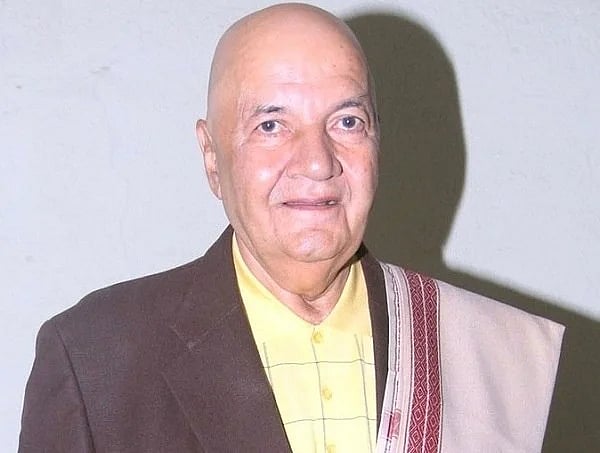
Veteran actor Prem Chopra, who was recently admitted to Mumbai's Lilavati Hospital, is thankfully on the road to recovery. His son-in-law, actor Sharman Joshi, shared an update on Instagram revealing that the 88-year-old star was diagnosed with severe aortic stenosis, a serious heart valve condition.
Chopra underwent a TAVI procedure, a minimally invasive treatment that replaces the narrowed valve without open-heart surgery. Joshi confirmed that the procedure was successful and the actor is now back home, recovering well.
Check out the post below:
What is Aortic stenosis?
Aortic stenosis may sound complex, but understanding it is crucial, especially as it commonly affects older adults.
According to the Mayo Clinic, aortic valve stenosis occurs when the valve between the heart's left ventricle and the aorta becomes too narrow. Because the valve cannot open fully, the heart has to work harder to push blood out. Over time, this strain can weaken the heart and lead to serious, even life-threatening, complications if untreated.

The severity of the condition varies, and so does its treatment. Mild cases may only require monitoring, but severe stenosis, like Chopra's, often needs valve replacement, either through open-heart surgery or through TAVI, the less invasive option used in his case.
Who are at risk?
Risk factors play a significant role in who develops this condition. As per the Cleveland Clinic, aortic stenosis is more likely in people over 65, men, those with high cholesterol or high blood pressure, or individuals who use tobacco.
Symptoms of Aortic stenosis
Symptoms can be subtle for years. Many people only notice issues once the valve becomes extremely narrowed. As per medical reports, warning signs include:
Chest tightness
Breathlessness
Dizziness
Fatigue
Rapid or fluttering heartbeat.
In severe cases, it may progress to heart failure, causing swollen feet, breathlessness at rest, and extreme tiredness.
Disclaimer: This article is for informational purposes only and should not be considered a substitute for professional medical advice. Always consult your doctor for any concerns or questions regarding your health or medical condition.

